Mexico's economy minister signals progress in USMCA negotiations at G-20 summit
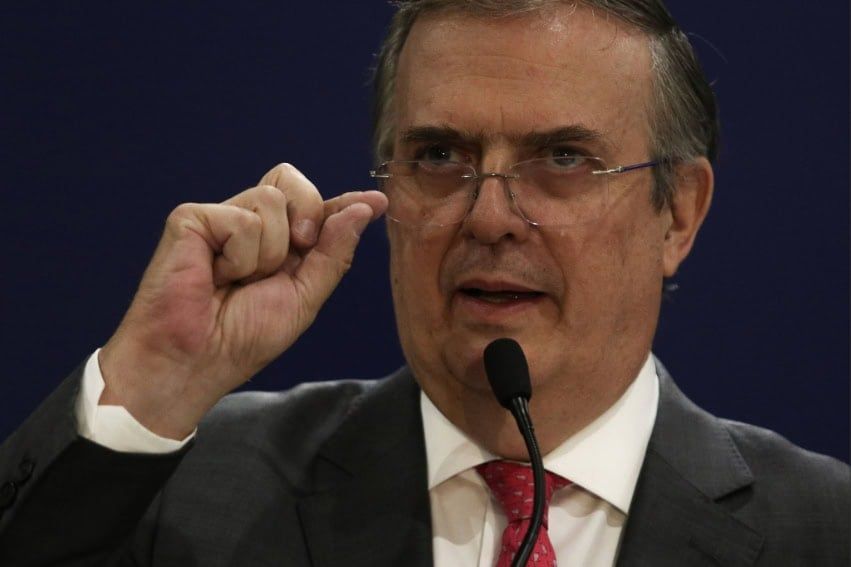
Mexico's Economy Minister Marcelo Ebrard expressed confidence about the state of trade negotiations with the United States on Thursday, telling reporters that the two countries are moving closer to resolving outstanding issues and reaching new agreements.
"We are getting closer on many issues, resolving problems, and we are making progress. Every day we are closer to reaching new agreements."
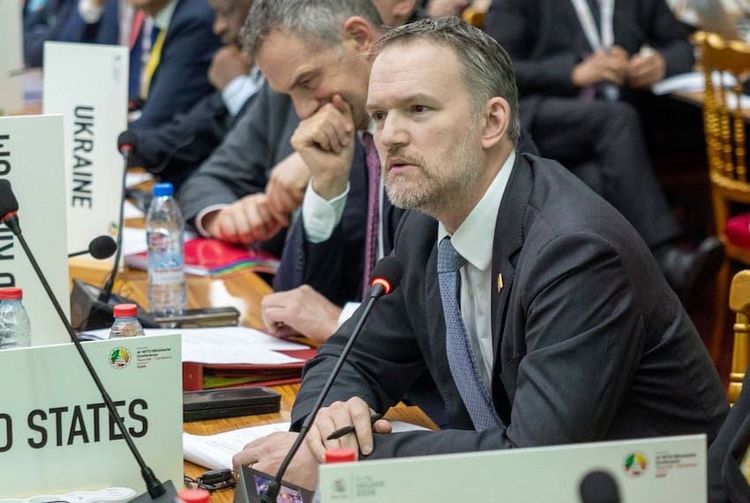
Ebrard made these remarks during the G-20 Trade Ministerial meeting held September 30-October 1 at the Pfister Hotel in Milwaukee, Wisconsin. The statement came after a one-hour meeting with U.S. Trade Representative Jamieson Greer, who was confirmed by the Senate in February 2025 and previously served as chief of staff to Trade Representative Robert Lighthizer during the first Trump administration from 2017 to 2021.
Key negotiation priorities
Ebrard's primary focus in the negotiations centers on reducing Section 232 tariffs, which Washington doubled from 25% to 50% effective June 4, 2025. These tariffs now apply to Mexican steel, aluminum and copper exports, as well as automobiles, and are imposed independently of USMCA preferential origin requirements. The minister also seeks to maintain the preferential tariff treatment Mexican shipments currently enjoy under the USMCA framework.
Mexico's strong trade position
Mexico's position in the negotiations appears strong. The country captured a record 16.3% share of U.S. goods trade in the first quarter of 2026, with bilateral flows reaching $231.3 billion, surpassing its previous peak of 15.7% recorded in 2023. For the first half of 2026, Mexican exports to the United States totaled $298.2 billion, representing a 13% increase over the same period in 2025, while imports from the U.S. rose 16.6% to $195.6 billion.
Mexico has maintained its position as the United States' largest trading partner since 2023, ahead of Canada, which accounted for 11.8% of U.S. trade in the first quarter of 2026, and China, which represented between 6.2% and 6.6%. Bilateral trade flows between Mexico and the U.S. are approaching $900 billion annually, having grown 67% from 2020 to 2025.
"I was able to confirm that we are in a more favorable situation than they are,"
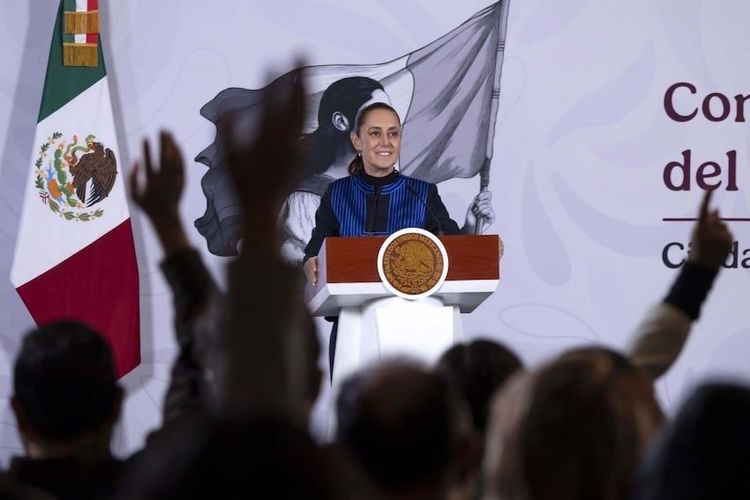
He attributed this advantage to President Claudia Sheinbaum's management of relations with President Donald Trump and to the deep economic integration across the shared border.
The economic ties extend beyond trade. The United States remains Mexico's top source of foreign direct investment, totaling $257.8 billion in 2024 according to International Monetary Fund figures.
Expectations for tariff reductions
An unnamed Mexican official cited by France 24 supported Ebrard's optimistic assessment regarding tariff negotiations.
"We expect to have reductions in steel and cars and aluminum,"
When asked whether a deal would be struck before critical U.S. midterm elections next month, the official indicated Mexico is prepared to be patient.
Mexico's negotiating approach has differed from Canada's response to the tariff increases. While Canada imposed 25% retaliatory tariffs covering approximately C$29.8 billion of U.S. goods, Mexico has refrained from imposing counter-tariffs as of mid-2026.
Recent U.S. policy adjustments may support Ebrard's optimism. In June 2026, President Trump expanded the list of products eligible for reduced 15% tariff rates to include agricultural equipment and residential HVAC systems through 2027, and lowered the U.S.-content threshold from 95% to 85% for products considered entirely made with U.S. metals.
Broader diplomatic efforts
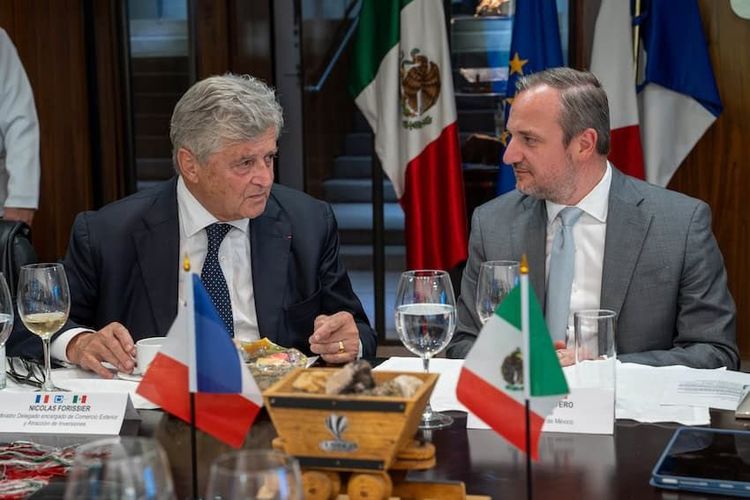
Beyond his meeting with Greer, Ebrard used the G-20 summit to strengthen ties with the European Union, Canada, India, Japan and Argentina.
"Our primary objective here at the summit has been to protect jobs, our companies and our interests,"
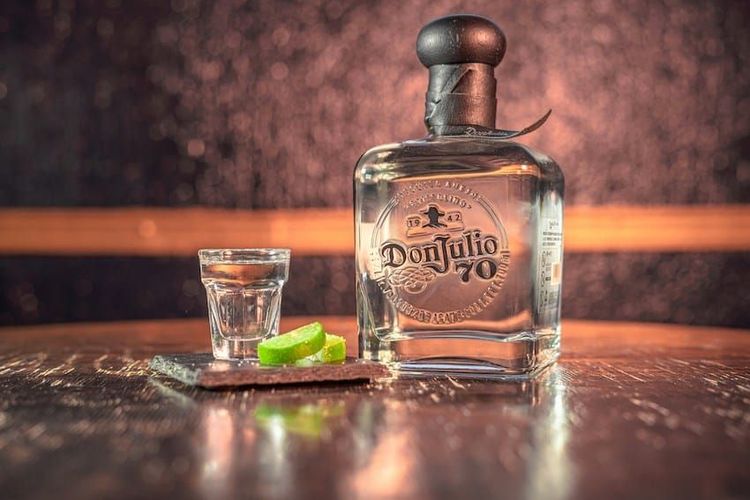
The minister announced plans for trade missions to the EU and Canada next year. He also confirmed that Mexico and India are preparing to enter a "new stage" in their economic relationship, with discussions covering products from tequila, which currently faces a 150% tariff in India, to vehicles and auto parts.
During his time in Milwaukee, Ebrard accepted an invitation from Greer to tour the Harley-Davidson manufacturing plant in the area, which delegates also visited as part of the G-20 Trade Ministerial program alongside Rockwell Automation facilities.