Mexican peso overvalued by 5.8% against dollar, MND Peso Index shows
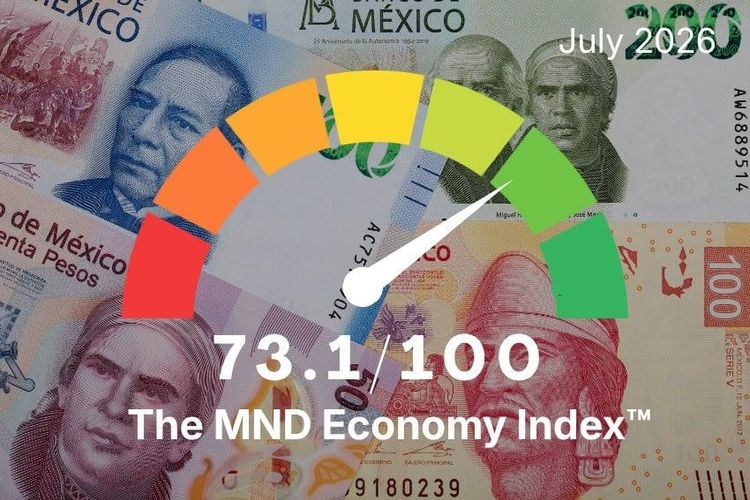
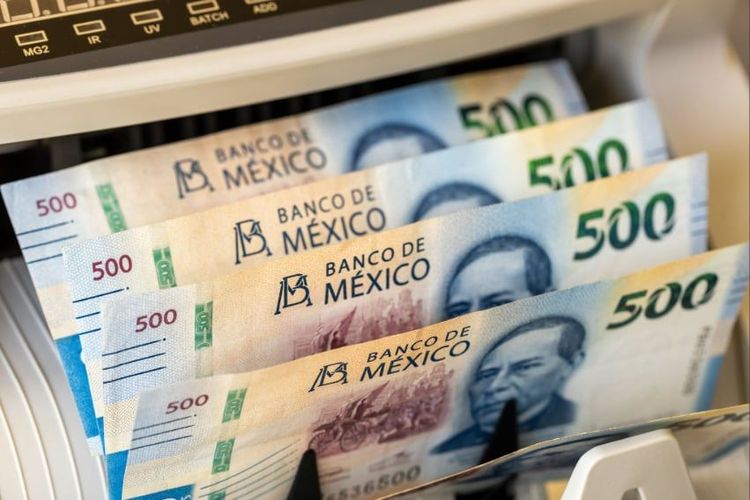
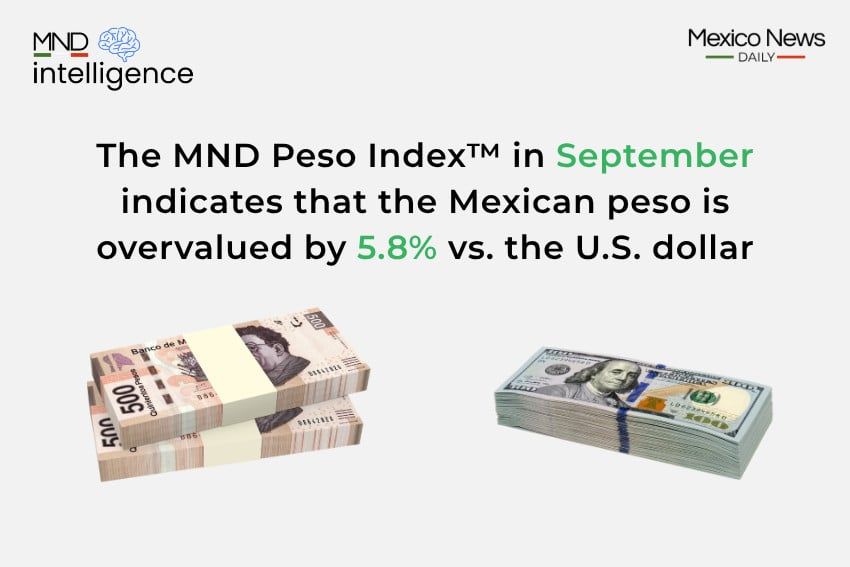
The Mexican peso was overvalued by 5.8% against the US dollar in early September 2026, according to the latest MND Peso Index assessment, marking the highest overvaluation reading since the purchasing power parity measure was introduced in May.
The index, which compares prices of a standardized basket of 20 goods and services in Mexico and Dallas, Texas, found that the MND Peso Rate stood at 17.96 pesos per dollar on Sept. 2, while the official Banxico FIX rate was 16.98 pesos per dollar. The Banxico FIX rate is the official reference exchange rate that Banco de México determines each business day based on an average of wholesale foreign-exchange market quotes, published in Mexico's Official Gazette for use in settling dollar-denominated obligations.
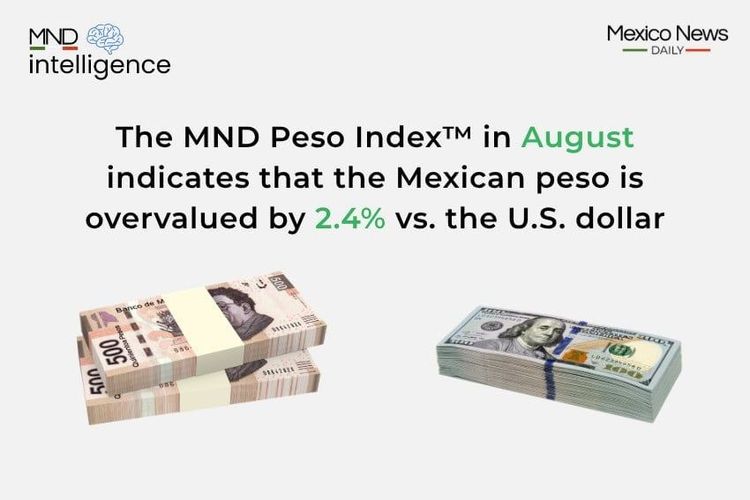
The 5.8% overvaluation represents a significant increase from the 2.4% assessment in early August, driven by the peso's continued appreciation and changes in the relative prices of goods in the basket.
Peso strength defies economic fundamentals
The currency's performance continues to puzzle analysts, as the peso was one of the world's best-performing currencies in 2025, appreciating almost 16% against the dollar. This defied expectations of most economists, who had predicted depreciation to around 21 pesos per dollar.
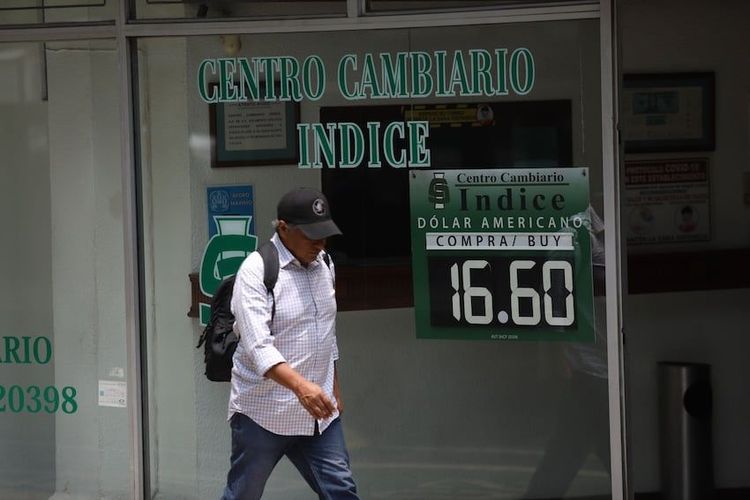
So far in 2026, the peso has gained 6.4% against the greenback, closing at 18.00 to the dollar on the final day of 2025 and trading at 16.91 on Sept. 8. The peso reached 16.8875 per dollar on Aug. 24, 2026, its strongest level of the year and a rate not seen since May 29, 2024.
Currency analysts attribute the peso's strength primarily to carry trade operations rather than Mexico's economic fundamentals. The Mexican peso is the third most traded currency among emerging markets, following the Chinese renminbi and the Indian rupee, with approximately 82% of peso transactions taking place outside Mexico, according to the Bank for International Settlements.
The interest rate differential between Mexico and the United States, which stood at approximately 300 basis points as of April 2026, with Banxico maintaining rates at 6.50% while the US Federal Reserve held rates around 3.75%, has encouraged carry trade inflows as investors borrow in low-yielding currencies to invest in higher-yielding Mexican assets.
Divergence from OECD purchasing power data
The MND Peso Index findings align with broader trends in Mexico's purchasing power dynamics. The OECD reported that Mexico's purchasing power parity stood at 10.145 pesos per USD in December 2025, up from 9.917 in December 2024, representing the highest level since the organization began tracking this metric in 1981.
The basket-based purchasing power parity approach used by the MND Peso Index follows an established methodology similar to The Economist's Big Mac Index, created in 1986, which compares the price of a McDonald's Big Mac across countries to assess whether currencies are overvalued or undervalued.
Price changes drive overvaluation increase
Between early August and early September, the implied exchange rates increased for six items in the basket: a Big Mac, a Big Mac meal, a dozen eggs, Kirkland toilet paper, Listerine mouthwash and a Planet Fitness membership. The changes resulted from price movements on both sides of the border, with some items seeing price decreases in Dallas while others experienced price increases in Mexico.
The MND Peso Rate increased 32 centavos from 17.64 on Aug. 6 to 17.96 on Sept. 2, while the Banxico FIX rate appreciated 24 centavos from 17.22 to 16.98 over the same period. The difference between the two rates on Sept. 2 was 98 centavos, an increase of 56 centavos compared to early August.
Disconnect from economic growth
The peso's strength stands in stark contrast to Mexico's slowing economic activity. Economists surveyed by Banco de México have revised the country's GDP growth forecast for 2026 downward to 1.1%, down from earlier estimates of 1.5%, reflecting concerns about weakening economic performance.
Foreign exchange experts polled by Reuters in June 2026 predicted the peso would trade at just under 18 to the dollar by June 2027, suggesting an expected depreciation from current levels. This consensus forecast indicates that currency specialists view the current peso strength as unsustainable.
Trade policy risks loom
The 2026 review of the USMCA (United States-Mexico-Canada Agreement) represents the largest external risk to the Mexican peso outlook into 2027. Any threat to Mexico's preferential access to the US market could significantly weaken investor confidence in Mexican assets and potentially trigger a currency correction.
The MND Peso Index has now found the peso overvalued in April, May, June, August and September 2026, with assessments ranging from 2.4% to the current 5.8%. The index collects prices from the websites and apps of major retailers including Walmart México, Costco México, AutoZone México, Cinépolis, McDonald's, Starbucks, Netflix, Spotify and Microsoft, comparing them with their US equivalents in Dallas.