Mexico and My Money: Affordability is a growing problem in Mexico, too
Mexico's reputation as an affordable place to live is being tested by persistent inflation that continues to erode purchasing power, particularly for those on lower and fixed incomes. While the country remains roughly 40% cheaper than the United States or Canada according to International Living, the cost squeeze is real and growing.
Inflation reached 3.4% in the first half of September 2026, accelerating from 3.26% in August. More concerning is core inflation, which excludes volatile food and energy prices, sitting at 3.8%. These figures mark more than five years of inflation above the central bank's 3% target, with cumulative price increases of 30% since March 2021.
The inflation challenge has proven more stubborn than anticipated. Mexico's central bank, Banxico, has held its benchmark interest rate at 6.50% since May 2026, after ending an easing cycle that began in March 2024. The bank has now maintained rates steady for three consecutive meetings as price pressures persist. Banxico expects headline inflation to reach its 3% target in the fourth quarter of 2027, pushing back earlier forecasts that projected convergence by the second quarter of 2027.
In the recent Mexico and My Money financial survey, 38% of respondents said rising living costs were negatively affecting their lifestyle in Mexico. The pressure is particularly acute because increases have concentrated in essential categories that households cannot easily avoid.
Food prices climb faster than overall inflation
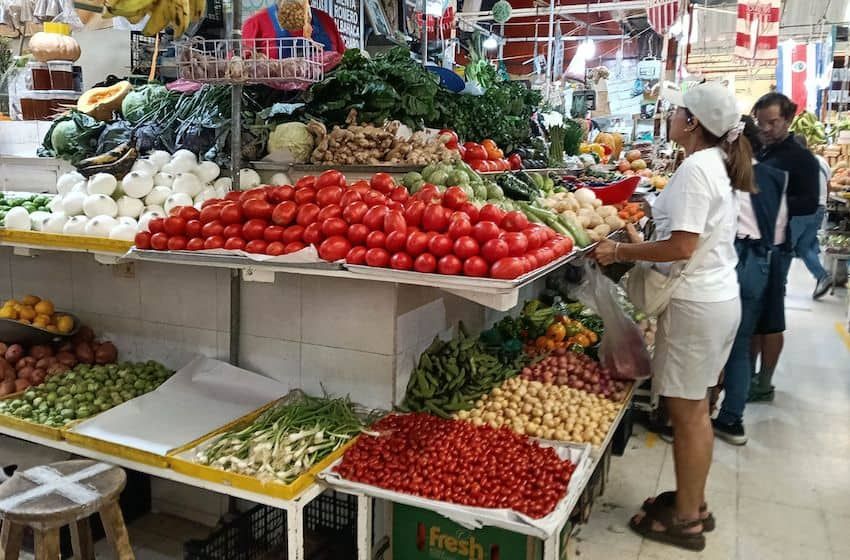
Food inflation has significantly outpaced headline numbers in 2026. Fresh fruit and vegetable prices rose 3.4% in the first half of September, following dramatic first-quarter increases that saw tomato prices surge 61%. These spikes stem from extreme weather patterns, fertilizer scarcity and supply chain disruptions.
The cost of a basic food basket containing ingredients for a balanced diet has increased roughly 4.6% year-over-year in urban areas. Restaurant meals, from upscale establishments to taco stands, have seen even steeper price increases, forcing many households to adjust their dining habits.
Global energy market volatility has added to food cost pressures. The US-Israel war with Iran caused major disruptions to oil supplies in 2026, with Brent crude prices surging from around $72 per barrel in late February to peaks near $118-120 in late March and April. Though prices declined to around $70 by July, they rebounded above $100 and reached $109 by early September. The closure of the Strait of Hormuz and attacks on energy infrastructure disrupted over 20% of global oil trade, with Iraq, Kuwait and other Gulf producers forced to cut output due to storage capacity issues and export blockages.
Fortunately for Mexican consumers, government interventions including voluntary price caps and fuel tax reductions have kept regular gasoline prices nearly flat. State-owned Pemex has absorbed most price spikes, raising prices only on premium gasoline, which isn't covered by the caps.
Housing costs outpace official statistics
According to the national statistics agency INEGI, rental inflation stands around 3.5% this year. However, private data suggests the true picture is far more challenging. In Mexico City, rents have climbed 64% over the past five years, more than double the overall inflation rate.
Real estate prices have driven much of this housing pressure. Homes purchased with mortgages increased in price by 8.7% nationwide last year, according to the Federal Mortgage Society, more than twice the headline inflation rate. Major cities including Guadalajara, Monterrey and Tijuana have experienced even faster appreciation, fueled by speculation and rising foreign demand. These elevated prices trap many families in the rental market, where they face steadily climbing costs.
Healthcare represents another area of rapid inflation. An overstretched and underfunded IMSS public system struggles to meet demand, pushing families toward private providers. This has triggered hyperinflation in the private health insurance market in 2026, adding significant financial pressure to household budgets.
Taxes amplify consumer costs
Mexico's general sales tax, the Impuesto al Valor Agregado (IVA), stands at a steep 16% for most goods and services. This rate has remained unchanged for 15 years, since it was raised from 10% in 2011. As a consumption tax applied equally regardless of income, the IVA hits all Mexicans the same, but feels especially burdensome in an inflationary environment.
Food (excluding pet food), medicines and books are exempt from IVA. Border regions received relief in 2019 when IVA was reduced to 8% for eligible taxpayers in northern and southern border zones, helping prevent cross-border shopping where taxes are lower.
Beyond standard sales tax, Mexico imposes heavy surcharges on items deemed harmful or unnecessary through the Impuesto Especial sobre Producción y Servicios (IEPS). Cigarettes face a 200% tax plus a fixed fee of around 0.65 pesos per cigarette. Alcoholic beverages carry surtaxes ranging from 26.5% to 53% depending on alcohol content and type. Gambling activities are subject to an additional 50% tax, applied to both physical casinos and foreign betting platforms.
Organized crime adds hidden costs to food production
Agricultural products face another burden beyond official taxation: extortion by organized crime groups. These protection payments, known as derecho de piso, have evolved from random shakedowns into systematic coercion affecting the entire agricultural supply chain.
Producers of high-value crops like avocados, limes and agave are particularly targeted. Small farms may reduce production or shut down entirely when squeezed beyond breaking point. Larger operations typically absorb these extra costs and pass them to consumers. Avocado production in Michoacán alone, the largest producing state, generates 150,000 direct and indirect jobs, making the impact of extortion far-reaching.
Mexico's Secretary of Security and Citizen Protection, Omar García Harfuch, has made tackling extortion a priority. In July 2025, he launched the National Strategy Against Extortion, which includes a federal anti-extortion law requiring state approval, financial intelligence support to states, and a 089 crime hotline for reporting extortion attempts.
Recent data reveals the scope of the problem: 56% of telephone numbers reported as extortion lines in recent months were located in just 12 prisons, with 33% of nearly 2,400 numbers used in extortion attempts having been blocked. The government plans to block cell phone signals at 14 federal prisons and 13 Mexico City prisons in the first quarter of 2026.
Currency volatility adds uncertainty for foreign residents
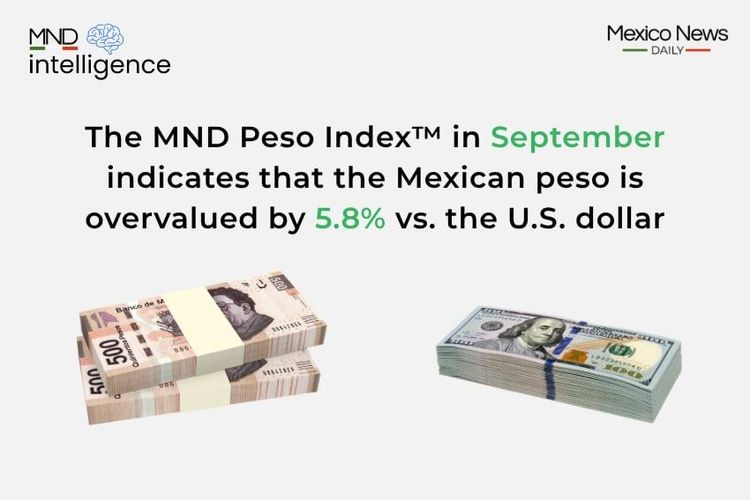
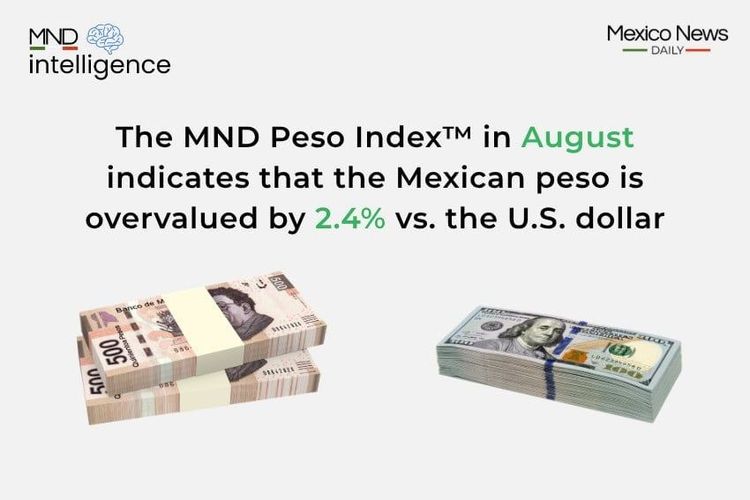
Exchange rate fluctuations create additional anxiety for expatriates whose income originates abroad. A weaker peso makes life in Mexico more affordable for foreign residents, while a strengthening peso increases costs.
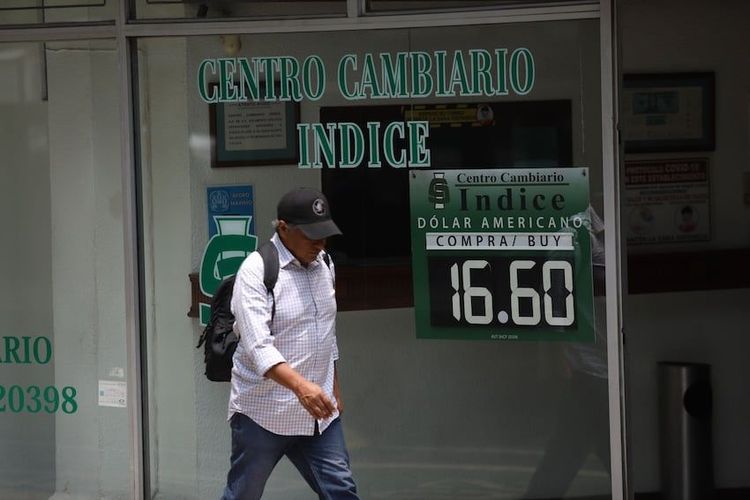
The peso weakened significantly in early October 2026, with the exchange rate reaching 18.30 pesos per dollar on October 1, compared to approximately 17.24 on September 30. The currency had reached its strongest point of 2026 on September 5, when one dollar was worth approximately 16.90 pesos. The recent 6.7% depreciation has brought some relief to foreign residents, as the peso is now up less than 2% against the dollar over the past year.
Mexico's headline inflation briefly fell to 3.37% in June 2026, the lowest reading since December 2020, offering hope that price pressures were easing. However, inflation rose again to 3.42% in early September 2026, demonstrating the persistent nature of the affordability challenge. Core inflation has shown more consistent improvement, declining from 4.26% in April 2026 to 3.79% in early September.
Despite these challenges, Mexico's cost of living advantage compared to the United States and Canada remains substantial. For households feeling the pinch, strategies for coping with rising prices become increasingly important.