Mexico's economy shows strongest performance of 2026 as index climbs to 73.1
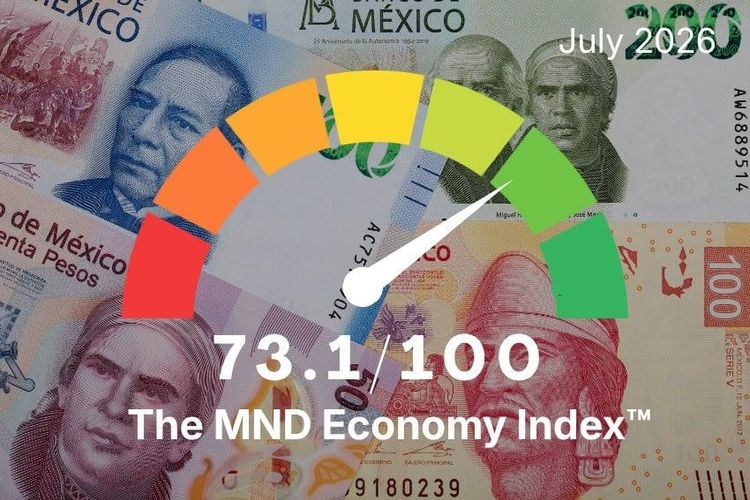
Mexico's economic performance reached its strongest level of 2026 in July, with the MND Economy Index climbing 6.2 points to 73.1 out of 100—a score classified as "above neutral" and nearly 10 points higher than in March. The improvement marks the first time none of the index's 10 pillars received a red-light score, signaling broad-based economic strengthening.
The economy grew 3.3% in annual seasonally adjusted terms in July, the strongest monthly expansion of the year. Services led the way with 4% growth, while the secondary sector—encompassing manufacturing, construction, mining and electricity generation—expanded 2.4%. This represents a sharp recovery from the 0.6% quarterly contraction recorded in the first quarter of 2026, followed by a robust 1.5% quarterly rebound in the second quarter, the strongest quarterly growth since early 2022.
Inflation pressures continued to ease, with the consumer price index declining to 3.12% in July from 3.4% in June. The reading marked the weakest inflation rate since May 2020 and brought price growth comfortably within the Central Bank's 2.0%–4.0% target range. Core inflation also moderated, falling to 3.95% from 4.0%.
Export surge drives manufacturing gains
Manufacturing exports reached record levels, with total exports hitting US$72.55 billion in June—a 34.4% year-over-year increase. Manufacturing shipments alone climbed 35.3% to US$67.22 billion, accounting for approximately 93% of all goods exported from Mexico.
The export boom reflected a structural shift in Mexico's manufacturing base. Non-automotive manufacturing exports surged 43.65% year-over-year in March, the highest annual growth since May 2021. Electronics and electrical equipment exports more than doubled in August, posting a 122.3% gain. Meanwhile, automotive exports contracted 2.91% in the first quarter, underscoring the transition toward higher-value electronics production.
The International Monetary Fund revised its Mexico growth forecast upward to 1.5% for 2026 in its October assessment, citing better-than-expected July figures and continued disinflation. The Banco de México consensus forecast stands at 1.3%. For the first seven months of 2026, the economy expanded 1.5% annually.
Persistent challenges in labor markets
Despite the economic gains, significant challenges remain. Mexico's informal employment rate climbed to 56.2% in July, the highest level since December 2021, with 34.1 million workers in informal sector jobs. In July alone, the economy added 1.08 million informal positions while losing 400,000 formal sector jobs.
The productivity gap remains stark: the informal sector generates only 25.38% of GDP despite employing more than half of all workers, according to INEGI data. Economists characterize this as a direct cost on potential economic growth and a structural challenge for long-term development.
Remittances showed mixed signals. Transfers from Mexicans abroad reached US$30.76 billion in the first half of 2026, up 3.1% year-over-year, marking a recovery from the 4.6% decline recorded in 2025. June remittances totaled US$5.47 billion, a 4.2% annual increase. However, purchasing power for recipient households fell 8.3% in real terms due to peso appreciation and inflation.
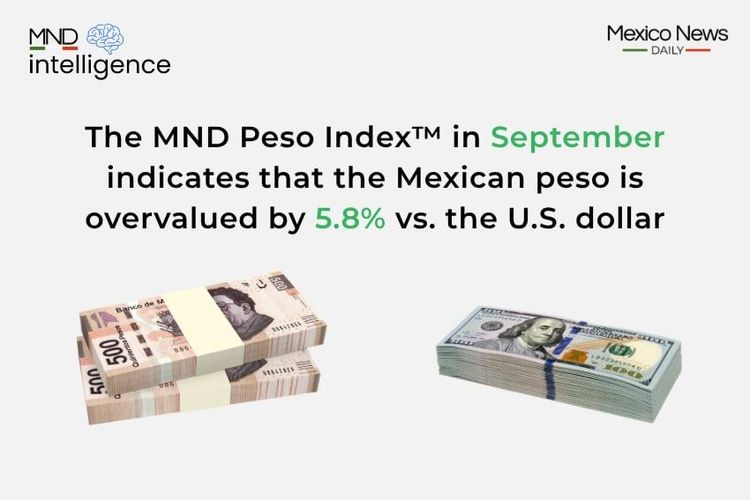
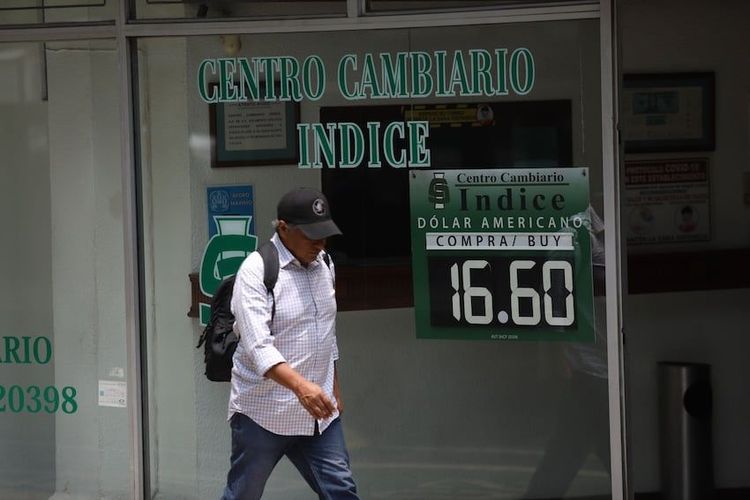
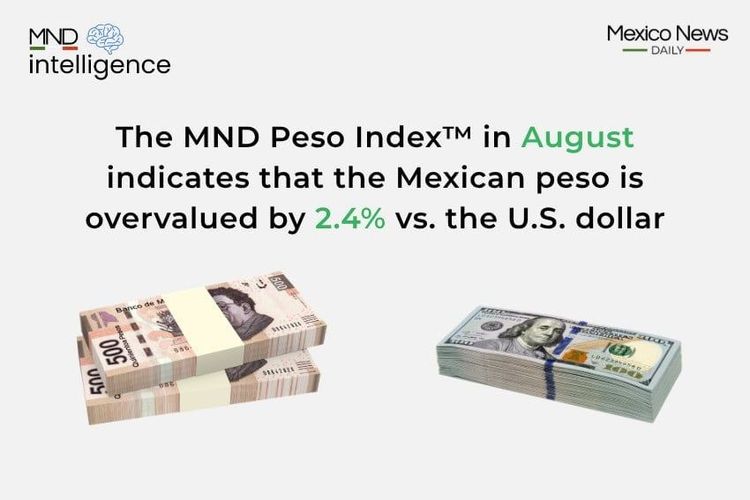
The peso traded around 17.24 per dollar at the end of September, strengthening from approximately 18.05 at the end of August. The currency reached its strongest level of 16.86 per dollar on September 4. The MND Peso Index for September indicated the peso is nearly 6% overvalued against the dollar.
Tourism growth and the investment climate also remain areas of concern, tempering what is otherwise the economy's strongest performance of the year.