Mexican peso's sharp September decline raises questions about super peso's future
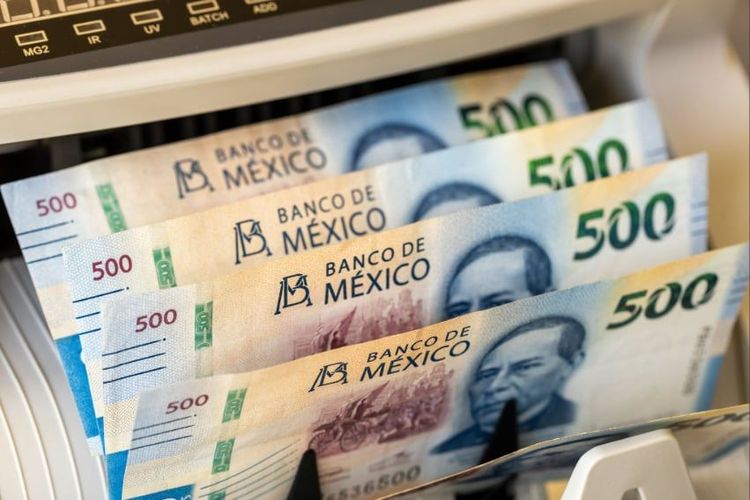
Mexico's currency suffered its steepest monthly decline in more than two years during September, losing 6.32% of its value as monetary policy shifts and geopolitical tensions ended a period of unusual strength that had economists talking about a "super peso."
The depreciation marks a dramatic reversal from the currency's performance throughout 2025, when the peso strengthened 13.49% over the year, reaching a low of 17.907 pesos per dollar on December 23. That strength contrasted sharply with 2024's volatility, when the exchange rate swung from 16.327 pesos per dollar in April to 20.869 by year's end—a 23% annual depreciation.
Monetary policy shifts drive currency weakness
The September downturn accelerated after the U.S. Federal Reserve raised its benchmark interest rate to 4% on Sept. 16, reversing a easing cycle that had seen three consecutive rate cuts totaling 175 basis points between September 2024 and December 2025. The Fed's policy shift came in response to persistent inflation, which stood at 3.4% in the 12 months ending July 2026, well above the central bank's 2% target.
When Mexico's central bank maintained its rate at 6.50% on Sept. 24, the interest rate differential between the two countries narrowed to just 250 basis points. This smaller spread undermined one of the key supports for the peso's recent strength: carry trade operations, where investors borrow low-interest currencies to invest in higher-yielding assets.
Janeth Quiroz, an analyst at Grupo Financiero Monex, explained that the carry trade mechanism—which involves borrowing currencies with low interest rates and lending those with high rates to profit from the differential—can now work against the peso.
"As the additional return decreases, the incentive to hold positions in pesos falls,"
However, Quiroz suggested it might be premature to declare the definitive end of the super peso, characterizing the situation instead as a loss of momentum.
The narrowing rate differential coincided with U.S. Treasury yields climbing to multi-year highs, with the 10-year note reaching 5.02% in mid-September, its highest level in 19 years. This made dollar-denominated assets increasingly attractive compared to peso investments.
External pressures compound monetary factors
External pressures compounded the monetary policy factors. Fluctuating oil prices and concerns about potential escalation of conflict in the Middle East added inflationary pressures and increased market volatility. Additionally, uncertainty surrounding the USMCA trade agreement has weighed on investor confidence. In July, the United States declined to renew the USMCA for another 16-year term during the mandatory joint review, triggering annual review cycles. While the agreement remains in full force through 2036, the ongoing negotiation process creates persistent uncertainty about North American trade relations.
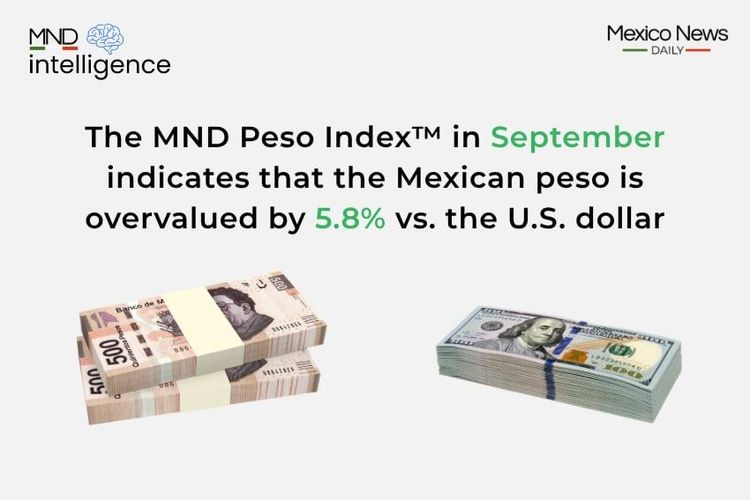
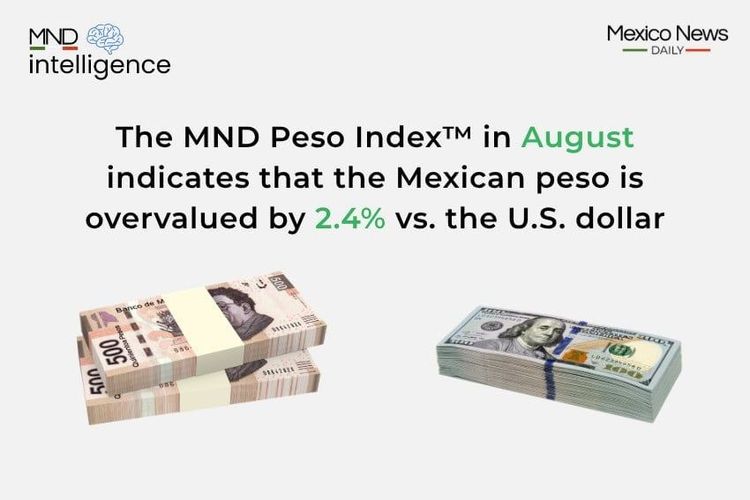
BBVA Mexico chief economist Carlos Serrano attributed much of the depreciation to these external factors, particularly trade policy uncertainty. He noted that fiscal discipline and the depth of Mexico's domestic financial market continue to provide support, suggesting the peso remains relatively strong and potentially overvalued despite recent losses.
Mixed implications for Mexican households
The currency's depreciation carries mixed implications for Mexican households. Families receiving remittances—which totaled approximately $30.76 billion during the first half of 2026, up 3.1% annually—gain purchasing power when the peso weakens. As the world's second-largest recipient of remittances after India, with these inflows representing roughly 4% of GDP, exchange rate movements significantly affect millions of Mexican households. However, imported goods and fuel become more expensive if the weaker peso persists.
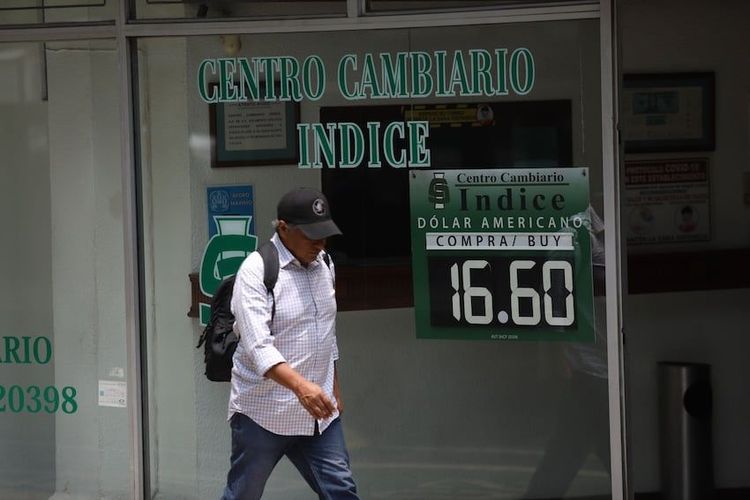
Currency markets showed continued volatility in early October. The peso closed at 18.30 per dollar on Thursday, slipping 1.29%, before recovering 0.67% to trade at 18.1808 on Friday afternoon.
Despite the recent turbulence that has pushed the exchange rate above 18 pesos per dollar, consensus forecasts from Mexico's central bank and Citi Mexico anticipate an appreciation to 17.50 pesos per dollar by the end of 2026, suggesting analysts expect the current weakness to prove temporary rather than marking the permanent end of the super peso phenomenon.