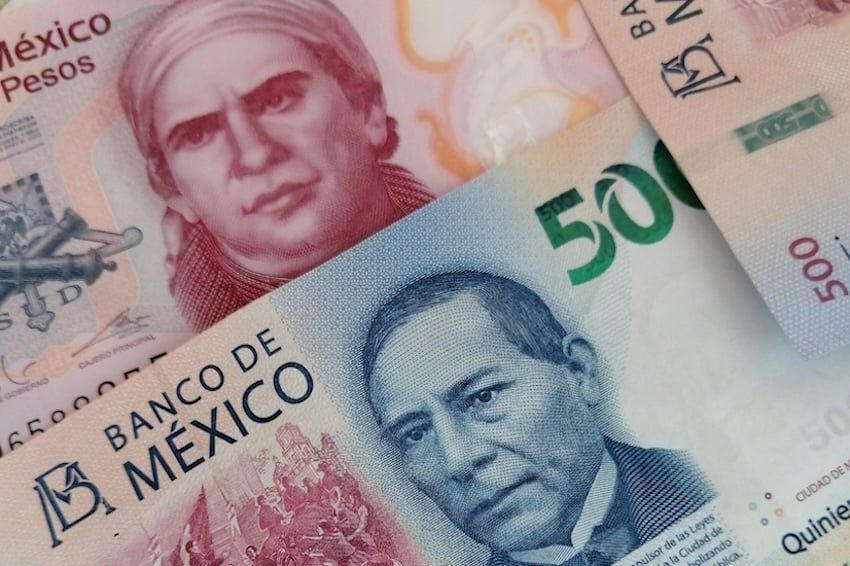
Peso breaks below 17 per dollar as the 'super peso' returns
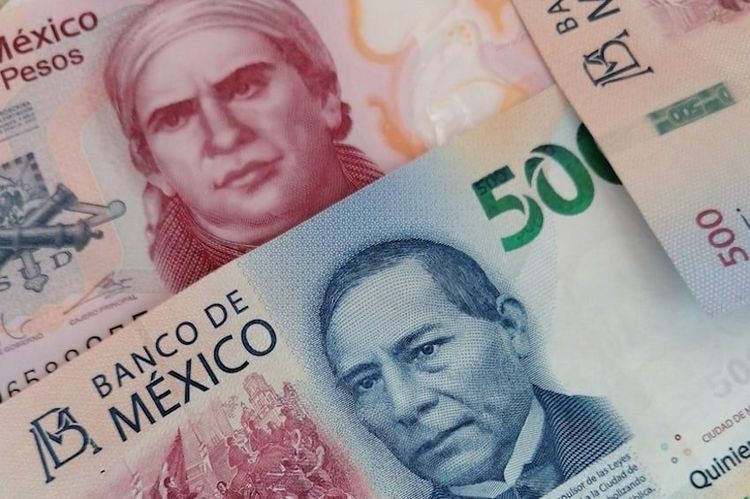
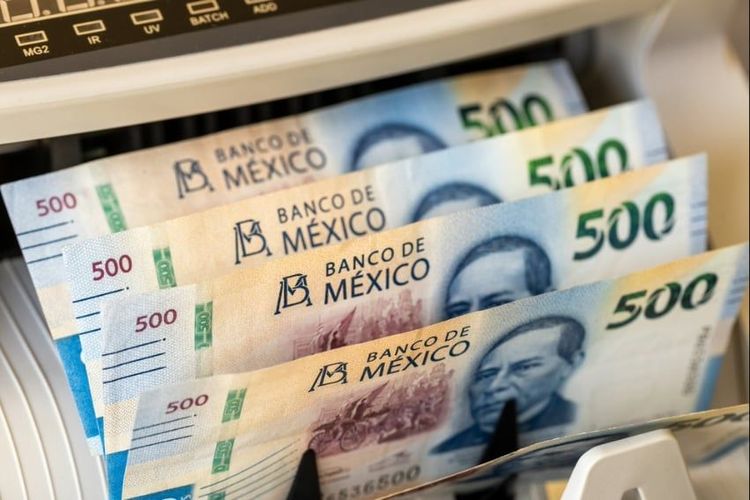
The Mexican peso pushed past the 17-per-dollar barrier early Friday, trading at approximately 16.98 pesos per U.S. dollar in wholesale transactions before settling just above 17 by midday, in a move that underscores the currency's resurgent strength in international markets.
The exchange rate reached 16.9965 pesos per dollar before 8 a.m. Mexico City time, representing a 0.20% appreciation for the peso. By midday, the rate had edged up to 17.0389 to the dollar. This marks the first time the peso has broken below the 17 threshold since June 3, 2024, the day after President Claudia Sheinbaum and the Morena party secured their landslide electoral victory.
The breakthrough caps a sustained rally for the Mexican currency, which closed Thursday at 17.0431 pesos per dollar. Over four consecutive trading sessions, the peso strengthened by 0.9%, bringing its year-to-date appreciation to 5.2%. The currency has traveled a considerable distance from its 2026 low point on March 30, when the exchange rate reached approximately 18.13 pesos per dollar.
Interest rate dynamics fuel peso strength
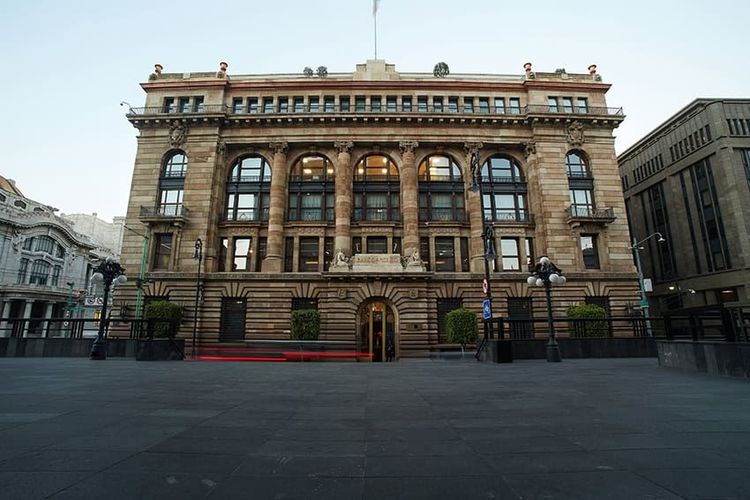
The peso's resurgence stems primarily from favorable interest rate differentials between Mexico and the United States. Mexico's central bank, Banxico, reduced its benchmark rate to 6.50% in May and has maintained that level since, with all five board members voting unanimously to hold steady at their June 25 meeting. The bank has signaled this rate will likely remain appropriate amid ongoing geopolitical and trade uncertainty.
Meanwhile, the U.S. Federal Reserve has kept its federal funds rate in the 3.50%-3.75% range, most recently at its July meeting where the decision passed 9-3, with three regional presidents dissenting in favor of rate increases due to inflation concerns. This creates an interest rate differential of roughly 450 basis points in Mexico's favor, making peso-denominated assets particularly attractive to investors.
According to Banxico data, Thursday's interbank market saw the exchange rate fluctuate between a maximum of 17.07 and a minimum of 17.03. The six-month average exchange rate prior to mid-August stood at 17.435 pesos per dollar, making the current sub-17 level notably stronger than recent averages.
Multiple factors supporting currency appreciation
Banamex analyst Paulina Anciola attributed the peso's performance to global dollar weakness amid heightened U.S. economic uncertainty. She pointed to recent U.S. consumer inflation data suggesting price pressures have been contained, alongside an environment of reduced global volatility and shifting expectations about Federal Reserve monetary policy.
Mexico's own inflation trajectory has supported the currency's strength. Headline inflation declined from 4.45% in April to 3.55% in the first fortnight of June, while core inflation decreased from 4.26% to 4.12% during the same period, according to Banxico.
Anciola also noted increased global appetite for emerging market assets and the attractiveness of Mexico's long-term interest rate differential. She suggested the foreign exchange market has largely absorbed domestic uncertainties, including S&P Global Ratings' decision in May to revise Mexico's sovereign credit outlook to negative from stable while maintaining its BBB rating, citing weak fiscal results and rising debt levels.
Trade agreement uncertainty internalized
The peso's strength persists despite ongoing trade policy uncertainty. On July 1, the United States declined to extend the USMCA for another 16 years, triggering annual review processes that will continue until 2036 unless the parties agree to an extension. The agreement, which governs an estimated $1.6-$2 trillion in annual trilateral trade among over 500 million people in the three countries, remains fully in force during this review period.
Anciola indicated that currency markets have internalized trade-related risks, including the annual USMCA reviews, without experiencing high volatility episodes.
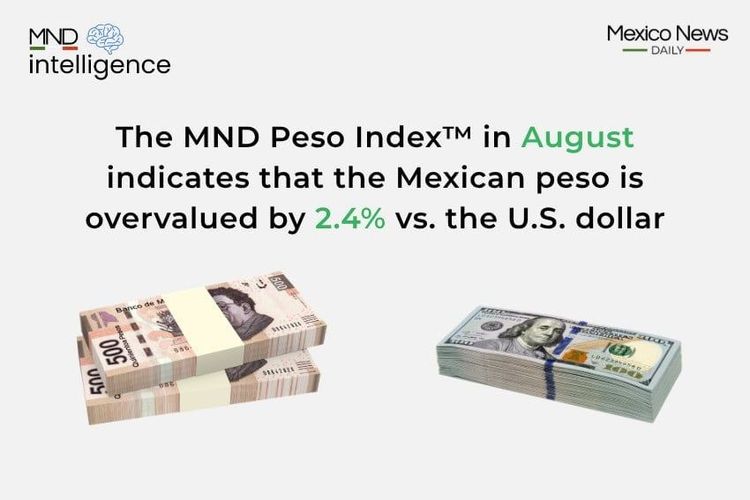
The private sector consensus forecasts a wholesale exchange rate of 17.90 pesos to the dollar by year-end, according to Citigroup's latest survey of 35 financial institutions. However, the most recent MND Peso Index™, comparing prices of goods and services in Mexico and Dallas, Texas, found the peso overvalued against the dollar by 2.4% in early August, suggesting the currency may be trading above its purchasing power parity.