The city's 2026 observance
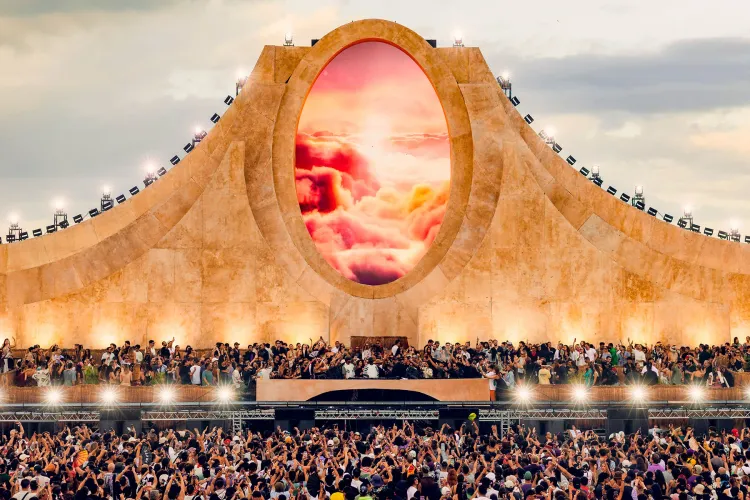
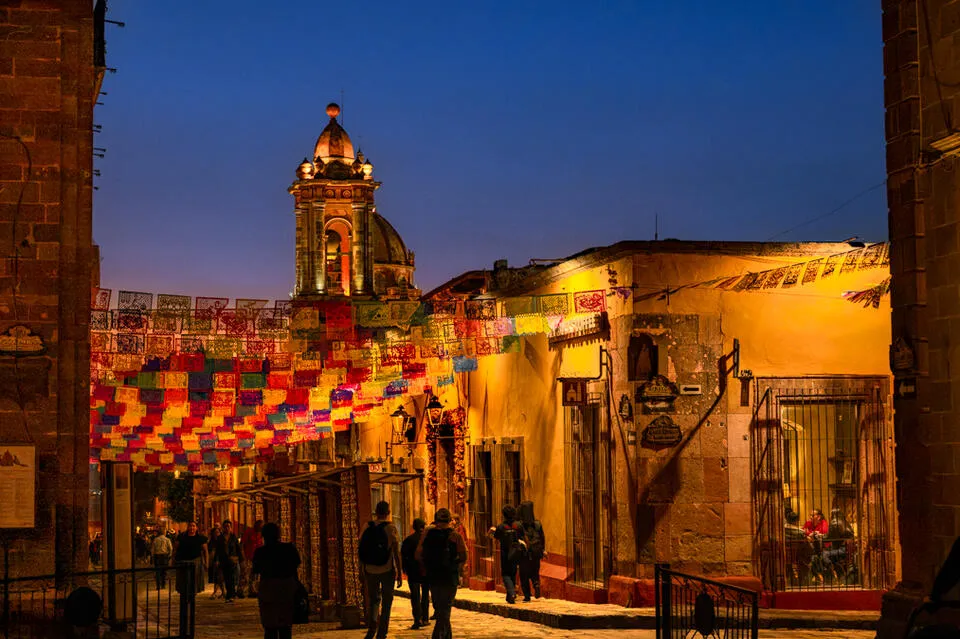
The feature, titled "Resurrection," presents a celebration internationally known for its artistry. The website Awesome San Miguel de Allende emphasizes its cultural roots: "Día de Muertos in San Miguel de Allende is not a tourist performance — it's a deeply rooted cultural expression that transforms the city for four days each year. Altars fill the streets, marigolds carpet the plazas, and the living and the dead share the same cobblestone."
The municipal government's official 2026 program ran from Saturday, October 31, through Monday, November 2. Visitors could see a public display of ofrendas in the Jardín Principal, with music, theater and outdoor films offered in the evenings. The Desfile de Muertos y Catrinas departed El Cardo for the Jardín Principal at 5 p.m. on November 2.
The official program also noted a city anniversary: San Miguel was proclaimed a city in 1826, making 2026 its bicentennial.
Remembrance, flowers and cemetery visits
The traditional calendar distinguishes between two days of remembrance. November 1, All Saints' Day, is Día de los Angelitos, honoring children who have died. Adults are remembered on November 2, All Souls' Day, also called Día de los Fieles Difuntos.
On both dates, families in San Miguel de Allende visit cemeteries to clean and decorate graves. Some 55,000 people were counted across the city's public cemeteries in 2023. The largest cemetery in town is the Panteón de Nuestra Señora de Guadalupe.
The marigolds seen throughout the celebrations are known as cempasúchil. Savant San Miguel puts Mexico's annual harvest at roughly 20,000 tons, almost all used during the few weeks of the autumn Día de Muertos season.
UNESCO places the annual festivities between late October and early November, coinciding with the end of the yearly maize cultivation cycle. After originally proclaiming Mexico's "Indigenous festivity dedicated to the dead" in 2003, UNESCO added it to the Representative List of the Intangible Cultural Heritage of Humanity in 2008.
Catrinas and participatory art
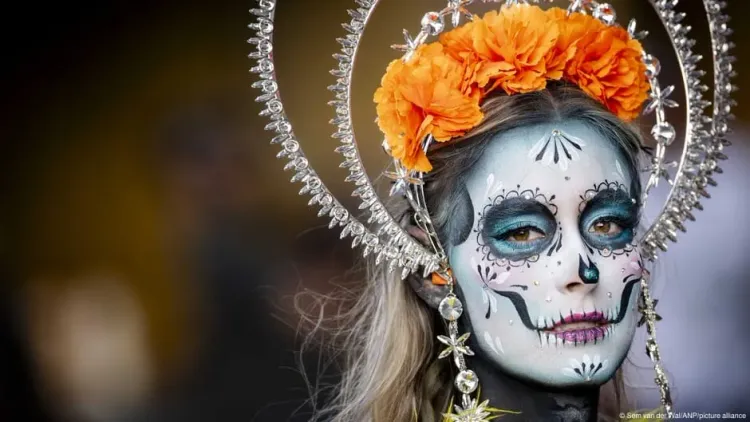
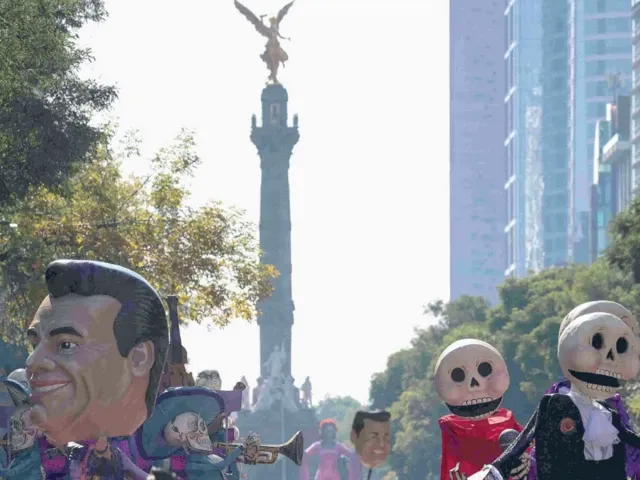
San Miguel's parade traditions extend beyond the municipal program. Rancho Los Labradores has organized a Catrina parade through the city since 2001. That procession predates the municipality's own Desfile de Muertos y Catrinas, which later became the centerpiece of its November 2 activities.
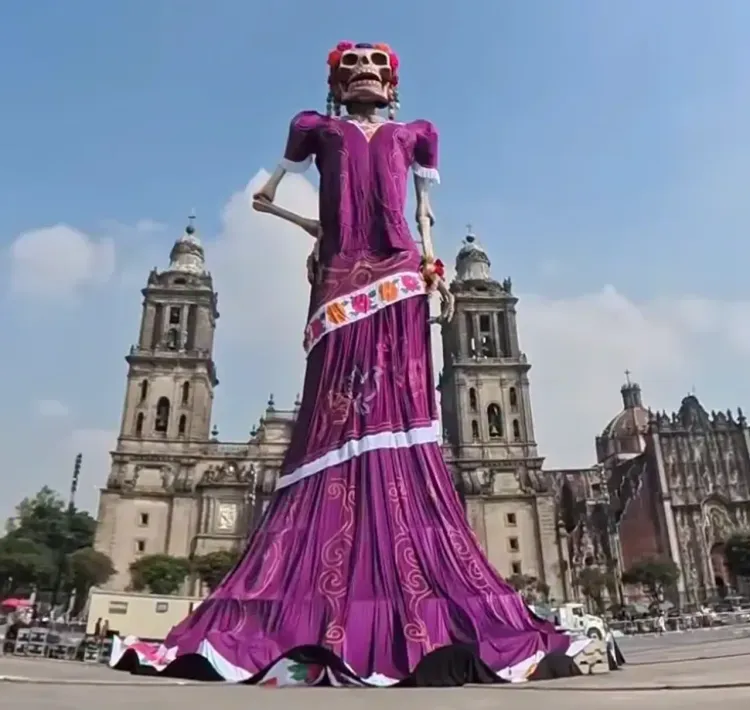
The elegant skeleton figure La Catrina originated in satire. In the final years of the Porfiriato, José Guadalupe Posada created the etching Calavera Garbancera to mock Mexicans who adopted European dress. Diego Rivera subsequently supplied the figure with a body and her name in his mural Sueño de una tarde dominical en la Alameda Central.
Another strand of the city's celebrations is La Calaca, a four-day participatory arts festival founded in 2012 by Klaudia Oliver and Veronique Pittman, with artist Tomás Bürkey as a co-founder. Bürkey's Pyramid of the Dead was first erected at La Calaca; in 2017, it appeared at Burning Man as an honorarium art project.
A nationwide spending forecast
The holiday's economic reach extends across Mexico. For Día de Muertos 2025, the country's chamber of commerce, Concanaco Servytur, projected nationwide spending of about 49.5 billion pesos, a 9.2% increase over the previous year. Those figures were a forecast, not a reported spending total.