From a Bond scene to a city tradition
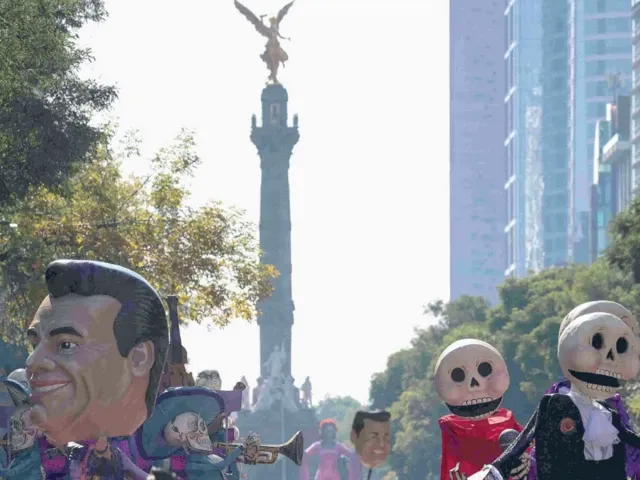
The parade's 10th edition began at 2 p.m. local time on October 31 at the Diana Cazadora roundabout on Paseo de la Reforma and ended in the Zócalo. According to the government account reported by HoyMX, roughly 4,000 people participated, including nearly 50 comparsas, or performance groups, alongside bands, giant balloons and themed floats.
Although Día de Muertos has much older roots, this procession dates only to 2016. Then-Mayor Miguel Ángel Mancera organized the first parade after the 2015 James Bond movie "Spectre" depicted the British agent walking through a fictional Day of the Dead procession in Mexico City.
HoyMX reported that organizers initially expected about 135,000 visitors in 2016; attendance reached about 1.5 million in 2025. The COVID-19 pandemic forced the cancellation of the 2020 parade, which returned in 2021 with preventive measures.
A record-setting figure in the Zócalo
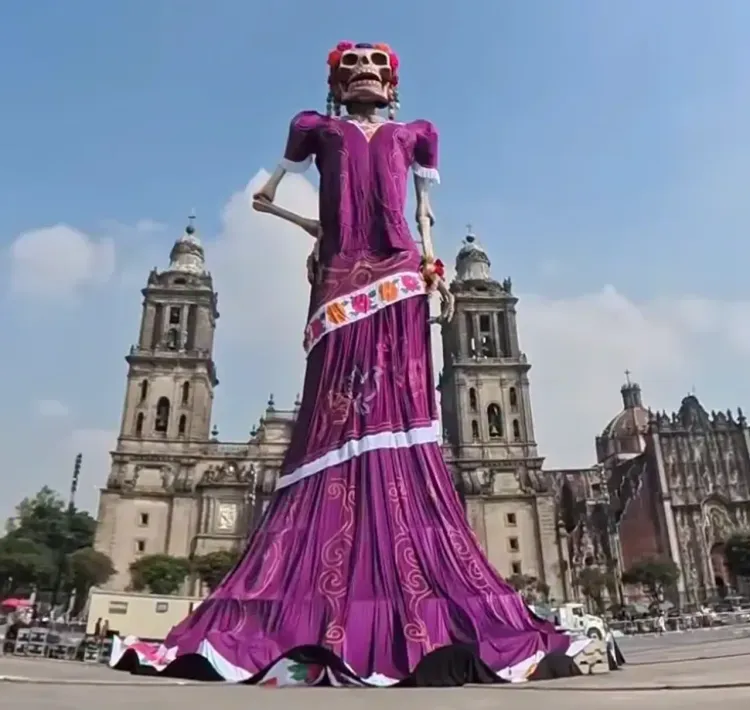
The Catrina installed in the capital's central square measured 33.411 meters, or about 110 feet. Guinness World Records certified it as the world's tallest Catrina, surpassing the 28.15-meter sculpture erected on Puerto Vallarta's waterfront in 2023, HoyMX reported.
Created by the Xibalbá art workshop and its director, Carlos Camilo Báez, the sculpture received its record announcement on October 29, 2026, as the city inaugurated its Monumental Ofrenda. Its popularity prompted an extension beyond the holiday program's original early-November end: La Jornada reported that it had attracted 1.6 million visitors and remained on display through November 11.
La Catrina, an elegantly dressed female skeleton wearing a hat, symbolizes equality in death, irrespective of wealth or social standing. Mexican caricaturist José Guadalupe Posada created the figure in the early 20th century, and it became an emblem of Día de Muertos.
HoyMX traces her origins to Posada's Calavera Garbancera. The familiar full-length figure in elegant clothing later took shape through Diego Rivera's late-1940s mural "Dream of a Sunday Afternoon in the Alameda Central."
Remembering the dead with flowers and offerings
Día de Muertos, among Mexico's most important holidays, is traditionally observed from October 31 through November 2. Its customs bring together precolonial Indigenous traditions and the Catholic observances of All Saints' Day and All Souls' Day. The celebration rests on the belief that deceased relatives briefly return to visit the living.
Families prepare home altars and decorate cemetery graves with photographs, garlands and offerings. Rather than treating death solely as an occasion for somber mourning, these colorful public and family observances recognize it as part of life's natural cycle.
Orange and yellow marigolds, called cempasúchil in Mexico, connect the living with the dead in the holiday's symbolism. Their powerful fragrance is believed to help returning souls find their way. City officials said growers produced 10 million plants for the 2026 season, up 53.8% from 6.5 million in 2025.
The tradition reaches back to the Maya and Aztecs. UNESCO added the Indigenous festivity to its Representative List of the Intangible Cultural Heritage of Humanity in 2008.
Visitors and holiday spending
Mexico City's government, led by Mayor Clara Brugada, said Día de Muertos celebrations and Formula 1 activities together attracted about 8 million people over ten days, with an economic impact of 36 billion pesos. More than 15 billion pesos of that total came from Day of the Dead lodging, dining, offerings and cultural activities.
Hotels across the capital averaged 92% occupancy from October 30 through November 1, 2026. Areas including Roma and Condesa reached full capacity.
Two national forecasts measured different categories of holiday activity. Concanaco Servytur, Mexico's national confederation of chambers of commerce, projected about 53 billion pesos, roughly US$2.8 billion, in spending from October 25 through November 2. Its estimate was 7% above 2025 and covered flowers, bread, candles, food, hotels, transportation and travel.
For October 26 through November 2, Mexico's Tourism Ministry, Sectur, forecast 2.7 million visitors nationwide and 15.737 billion pesos, about US$830 million, in direct tourism revenue from lodging, transportation, food and handicrafts. It projected 1.69 million hotel guests, with domestic travelers accounting for 74% and international travelers 26%, and average hotel occupancy of 58.9%.
A celebration beyond Mexico
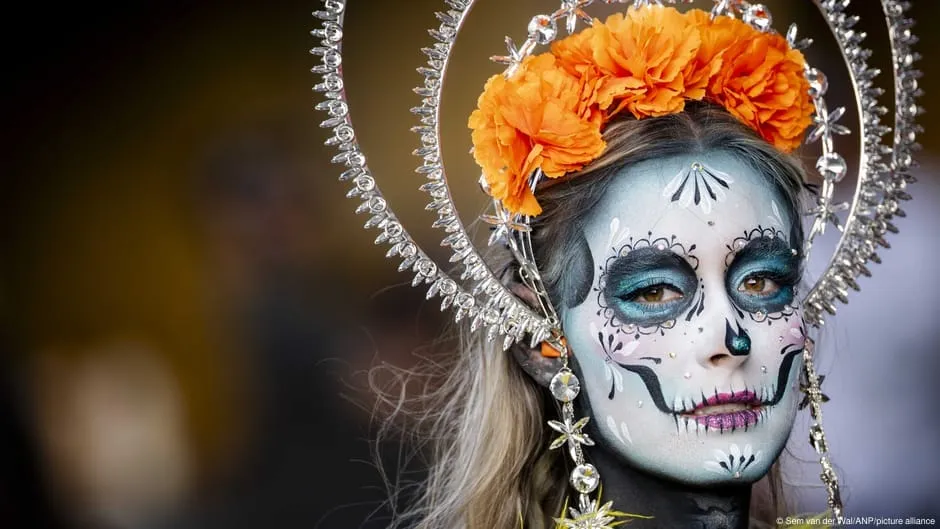
Migration, popular culture and global media have carried Día de Muertos beyond Mexico in recent decades, making it an international cultural phenomenon. Elsewhere in Latin America, many countries hold their own Indigenous-rooted commemorations of the dead around the same time.
The United States' large Mexican population has helped establish the holiday in American cultural life, where it often blends with Halloween. Catrina costumes and other Mexican motifs are also prominent in the NYC Village Halloween Parade, the world's largest Halloween parade.