"El Cabra" Captured In Tabasco: Mara 18 Leader Wanted For 15 Homicides In El Salvador
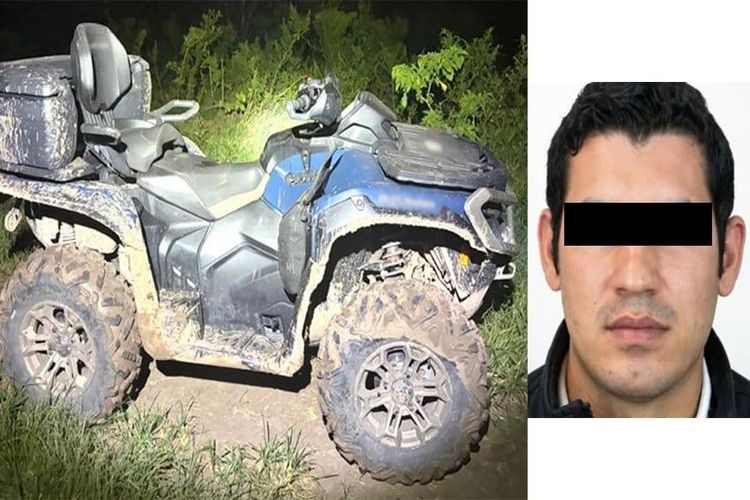
A coordinated operation by Mexican federal and state security forces resulted in the arrest of Óscar Ariel "N"—known as "El Cabra"—a leader of the Mara 18 criminal organization wanted by Salvadoran authorities for at least 15 homicides. The capture took place in Villahermosa, Tabasco, marking another significant detention of Central American gang leadership on Mexican soil.
Secretary of Security and Citizen Protection Omar García Harfuch announced the arrest, stating that "the detainee was a target of Salvadoran authorities." García Harfuch, who was appointed to his position in October 2024 under President Claudia Sheinbaum, previously served as Mexico City police chief and survived a 2020 assassination attempt by cartel gunmen.
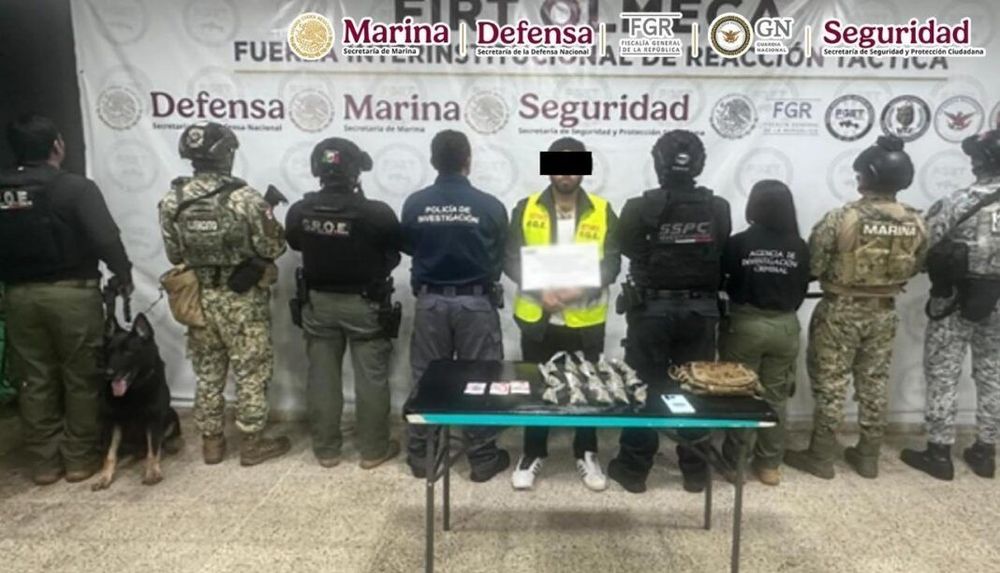
The operation involved personnel from the Secretariat of the Navy, the Secretariat of National Defense, the National Guard, the Secretariat of Security and Citizen Protection, and state law enforcement agencies. An international arrest warrant and active judicial warrant from the Second Court Against Organized Crime of the Department of Santa Ana in El Salvador were outstanding against the suspect for illicit association and aggravated homicide. This court is one of seven specialized tribunals created in 2023 to handle gang-related cases under El Salvador's anti-gang emergency measures.
Investigations link "El Cabra" to at least 15 homicides, as well as sexual offenses and small-scale drug trafficking activities. During the operation, agents seized doses of marijuana and informed the suspect of his legal rights before placing him at the disposal of the Public Prosecutor's Office to facilitate his handover to foreign authorities.
García Harfuch formally acknowledged "the Government of El Salvador for the information exchange that allowed the suspect to be located," and expressed gratitude for "the collaboration of Tabasco Governor Javier May and state authorities in carrying out the arrest." This cooperation reflects bilateral security agreements signed between Mexico and El Salvador since 2023, focusing on intelligence sharing and the detention of fugitive gang members.
Regional Pattern of Gang Leader Arrests
The capture of "El Cabra" is part of a broader trend of arrests made in Mexico's southeast during 2026, where authorities have located alleged members and leaders of Mara 18 wanted by Guatemalan and Salvadoran justice systems. These cases have concentrated primarily in states such as Quintana Roo, Chiapas, and Tabasco—border regions that have become major transit and refuge zones for Central American gang members fleeing law enforcement crackdowns in their home countries.
In Quintana Roo, authorities arrested Rudy Augusto Ortiz Morales—alias "Smoking"—and another man known as "Liro Spyder" on October 5. Both were identified as Mara 18 leaders and fugitives from the Fraijanes II penitentiary in Guatemala, a maximum-security facility that has experienced multiple prison breaks and security incidents involving gang members. Meanwhile, in Chiapas, authorities reported the capture of César Oswaldo "N"—alias "El Pulpito" or "Sniper"—in Tapachula. He was identified as a leader of the 18 Sureños faction and had been living in the municipality for approximately two years while facing multiple charges in his home country.
Tabasco state, where "El Cabra" was arrested, borders Guatemala and has seen a 45% increase in organized crime-related arrests in 2025-2026 compared to previous years, according to Mexican federal security data.
Context Behind the Cross-Border Movements
Mara 18, also known as the 18th Street Gang, originated in Los Angeles in the 1960s and expanded to Central America through deportations in the 1990s. The organization has grown into one of the largest transnational criminal organizations in the Americas, with an estimated 30,000-50,000 members. The U.S. Treasury Department designated Mara 18 and its rival gang MS-13 as transnational criminal organizations in 2012, subjecting their members to financial sanctions and enabling greater international law enforcement cooperation.
The migration of gang leaders to Mexico's southeast has intensified significantly since 2022, when El Salvador's government under President Nayib Bukele launched an aggressive crackdown under a state of emergency. Since March 2022, Salvadoran authorities have detained over 81,000 suspected gang members, leading to a significant reduction in homicides but also drawing criticism from human rights organizations over the suspension of certain constitutional rights.
Mexico has responded by increasing cooperation with Central American countries on gang member extraditions. In 2025, Mexican authorities extradited 47 Central American gang members wanted for serious crimes to their home countries, representing a significant increase from 18 extraditions in 2024, according to Mexican Attorney General's Office data. "El Cabra" is expected to follow a similar extradition process to face charges in El Salvador.