Death after more than 37 years in custody
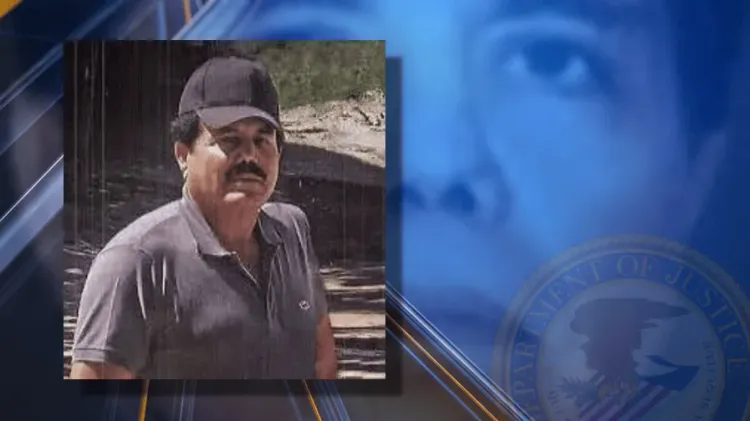
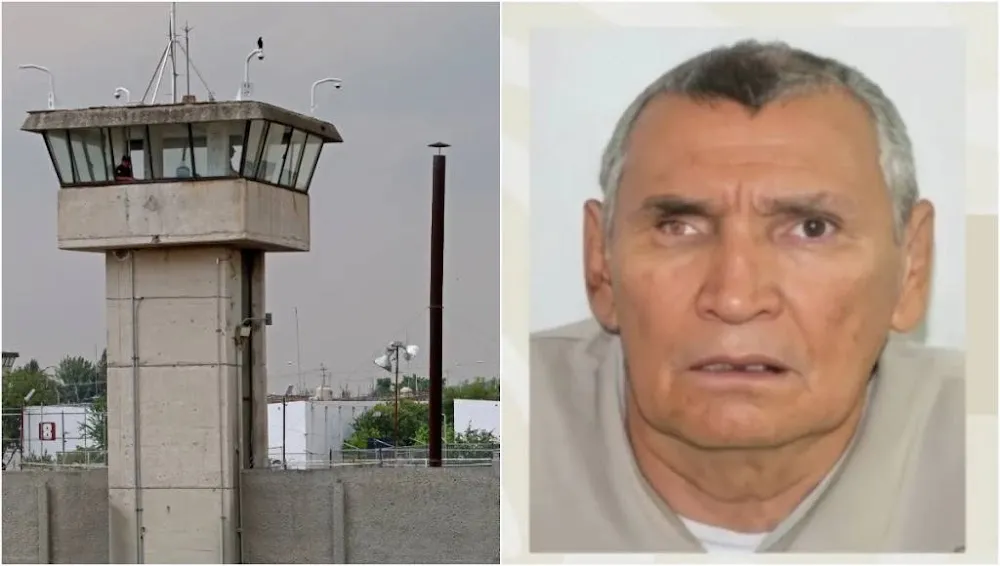
Félix Gallardo, 80, died Sunday, Nov. 15, at Guadalajara's private Country 2000 hospital. An emergency transfer had brought him there from the Puente Grande prison complex two days earlier. According to Jalisco's Public Security Secretariat, he suffered multiple organ failure after doctors had kept him under observation in guarded condition.
Known as the "Boss of Bosses," Félix Gallardo had been incarcerated since his April 1989 arrest in Guadalajara. In 2017, a Mexican court sentenced him to 37 years for the murders of Camarena and Mexican pilot Alfredo Zavala Avelar, who worked with the DEA. Combined with an earlier 40-year sentence for drug and arms trafficking, his prison terms totaled 77 years.
Cole issued his message on Nov. 15 and repeated it early Monday, Nov. 16. Alongside his pledge to remember Camarena's sacrifice and pursue justice, he described the agent's courage as an enduring example for DEA personnel.
The killings and the cartel behind them
Camarena was investigating the Guadalajara Cartel before his abduction. His work included inquiries that helped authorities find the El Búfalo ranch in Chihuahua, where they dismantled a large marijuana plantation in 1984. That financial blow to the cartel preceded his kidnapping in Guadalajara.
The agent was tortured and killed in February 1985. Zavala was also abducted and murdered; authorities found both men's bodies in rural Michoacán on March 5, 1985. Investigators identified Félix Gallardo as one of the principal figures who ordered the crimes.
The killings set off one of the largest U.S. counternarcotics investigations conducted in Mexico. Investigators uncovered networks that protected traffickers, connections between criminals and public officials, and institutional failures that eroded trust between the two countries' security authorities.
Félix Gallardo had risen from work as a police officer and bodyguard to a Sinaloa governor to become a leading trafficker in the 1970s and 1980s. KTLA reported that political contacts, bribes and alliances with Colombian traffickers helped him build a business carrying marijuana and cocaine across the U.S.-Mexico border. His organization also established ties with Colombia's Medellín Cartel, associated with Pablo Escobar.
Together with Rafael Caro Quintero and Ernesto Fonseca Carrillo, he led a cartel that controlled a substantial portion of trafficking routes into the United States. His imprisonment accelerated its fragmentation, as former associates and networks developed into separate organizations, including the Sinaloa, Tijuana and Juárez cartels.
A lasting role in U.S.-Mexico relations
Cole's emphasis on corruption renewed attention to the protection networks surrounding Camarena's murder, not only to the individuals convicted. The case remains a reference point in Mexico for criminal infiltration of public institutions, official protection and impunity.
The DEA's statement comes amid continued U.S. pressure to combat drug-trafficking organizations and disagreements between Washington and Mexico over the scope of security operations. Four decades after the killing damaged bilateral trust, it still carries institutional significance for the U.S. agency.
That legacy also extends beyond investigations. According to the DEA, Camarena's killing inspired Red Ribbon Week, an annual drug-prevention campaign held nationwide in the United States. In a 2025 statement, then-U.S. Attorney General Pam Bondi said his son, also named Enrique, had become a California judge, continuing his father's law-enforcement legacy.
Separate legal outcomes for the other founders
Félix Gallardo's death does not halt investigations or proceedings concerning others implicated in the crime. The Guadalajara Cartel's other co-founders have followed separate legal paths.
Ernesto "Don Neto" Fonseca Carrillo, convicted in Mexico for Camarena's murder, completed his 40-year sentence and was released in April 2025. Because of his age and declining health, he had served the final years under house arrest.
Caro Quintero, also convicted in Mexico for the killing, was expelled to the United States in February 2025 and entered a not-guilty plea in Brooklyn federal court. At an October 14, 2026, hearing, prosecutors and defense lawyers were discussing a possible plea agreement.
His trial remained tentatively set for March 8, 2027. The U.S. Department of Justice had announced in August 2025 that it would not seek the death penalty against him, according to Reuters.