Workers question access to utility sites
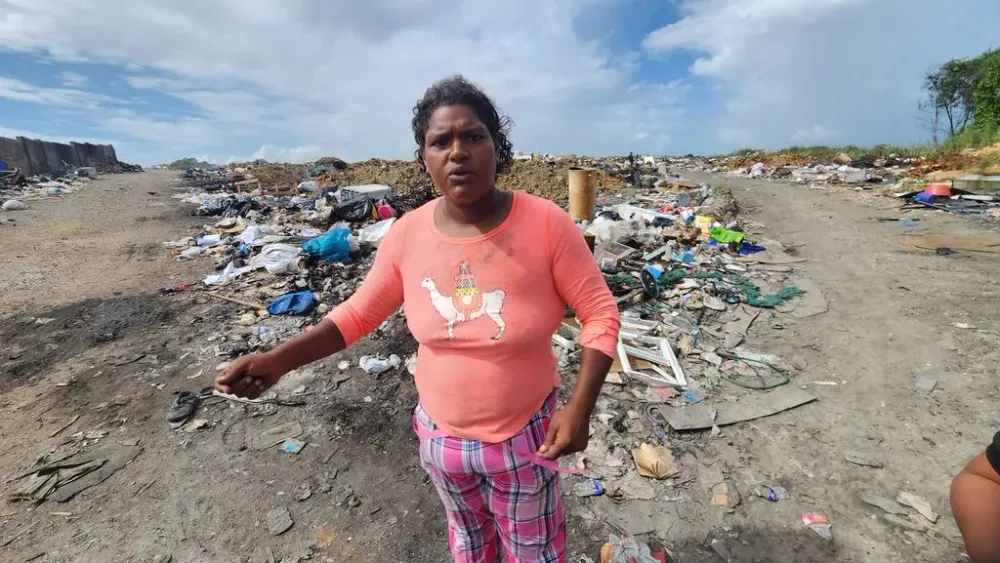
Workers interviewed by Guardian Media at the Embaccader Landfill on Lady Hailes Avenue said dismantling major utility equipment requires specialized knowledge, machinery and access to restricted sites. They rejected collective responsibility for stolen manhole covers, electrical cables and water valves, saying many collectors make their living from material discarded at landfills.
On Tuesday, Persad-Bissessar called on dealers to return stolen items in good faith before she would consider meeting industry representatives. The workers said they could not hand back property they had not stolen and instead wanted authorities to trace how public infrastructure reached the scrap trade.
Junior Mohammed, who said he had spent about 10 years in the industry, questioned who could gain entry to utility facilities and dismantle industrial valves, compressors and other heavy equipment.
"A normal person who does not know how to do that and does not have access to premises cannot do that," Mohammed said. He alleged that employees of private companies and government workers were involved in removing larger items.
Nicholas Ramsaran proposed stationing officials at scrap yards to check arriving material and distinguish lawful collectors from illegal operators. "Separate the illegal buying and the good buying," he said.
Brandon Brown also called for closer monitoring, recalling a previous requirement to register scrap vehicles and pay a fee before entering the trade. He criticized the police response: "The police are not going out there to catch the people who are doing these crimes. They are just putting strain on everybody else."
Guardian Media sought comment from Persad-Bissessar and Public Utilities Minister Barry Padarath on the workers' allegations but had received no response by press time.
Collectors describe mounting household pressure
Brown, who said he had worked in scrap metal for more than 21 years, said families were already struggling ahead of the impending shutdown. With two children, one aged two years and the other six months, he was worried about supporting them through Christmas.
"We are not thieves, we are not criminals. That is not our lifestyle," Brown said.
Ramsaran said he had moved from forestry work to relying mainly on scrap collection. Workers now had stockpiles of metal they could not sell, he said, while household bills remained difficult to cover.
For salvager Maria Chadee, collecting bottles and other recyclables has replaced metal collection since the ban was announced. She said those materials brought in much less than iron and copper. "I feel discouraged," said Chadee, who was concerned about providing for her five-year-old son.
The Trinidad and Tobago Scrap Iron Dealers Association (TTSIDA) has also sought urgent discussions about the proposed shutdown. President Allan Ferguson said it had written formally to the Office of the Prime Minister and the Office of the Attorney General. He warned that closure would immediately threaten the livelihoods of thousands of citizens and their families.
Government cites infrastructure losses
The export ban follows theft and vandalism that have disrupted services provided by the Water and Sewerage Authority (WASA) and the Trinidad and Tobago Electricity Commission (T&TEC). According to the Trinidad Express, Padarath put the value of state assets lost to destruction, vandalism and theft over the past year and a half at more than $30 million. The damage included attacks on TSTT's copper cable network and WASA facilities.
Among the incidents cited in reports surrounding the ban was vandalism at five WASA facilities in Tobago in March, including wells at Arnos Vale and Bacolet. Nine people, one of them a WASA employee, were arrested in connection with those incidents.
In Penal, the theft of electrical cables and control equipment from Scott's Road Well No 1 in September 2025 affected about 4,000 consumers. The Tabaquite booster station was targeted in June and again on November 18, 2026.
T&TEC also reported deliberate damage to a high-voltage cable at its Harmony Hall substation in San Fernando, along with an attempted cable theft at its Abattoir substation in Port of Spain.
Persad-Bissessar said the national security services were ready for any eventuality arising from the ban.
A second export ban in four years
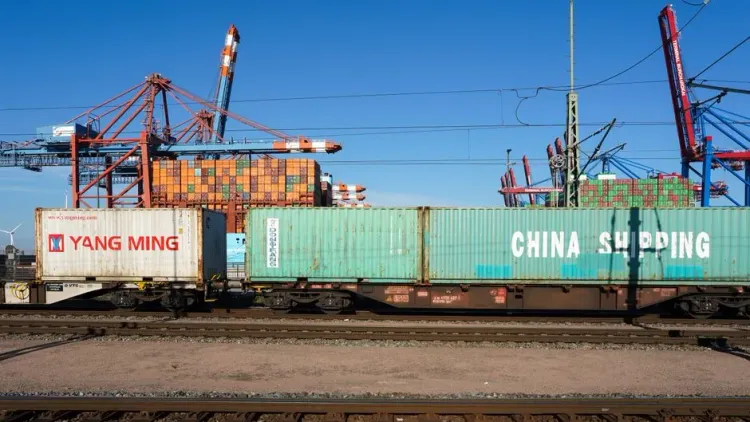
The December 31 measure will be Trinidad and Tobago's second scrap metal export ban in four years. In August 2022, the former People's National Movement government led by Dr. Keith Rowley halted exports of old and scrap metal for six months.
Police statistics presented around that earlier ban recorded 162 reports of scrap-iron theft and 136 arrests from January through August 2022. The figures for 2021 were 87 reports and 52 arrests.
After the six-month ban ended in February 2023, trading resumed under the Scrap Metal Act, 2022. Copper exports remained subject to a separate one-year prohibition.
Attorney General John Jeremie has declined to meet TTSIDA despite its request for talks. He is drafting legislation to make the new export ban permanent, with the measure due before Parliament before the end of 2026.