Detection and containment
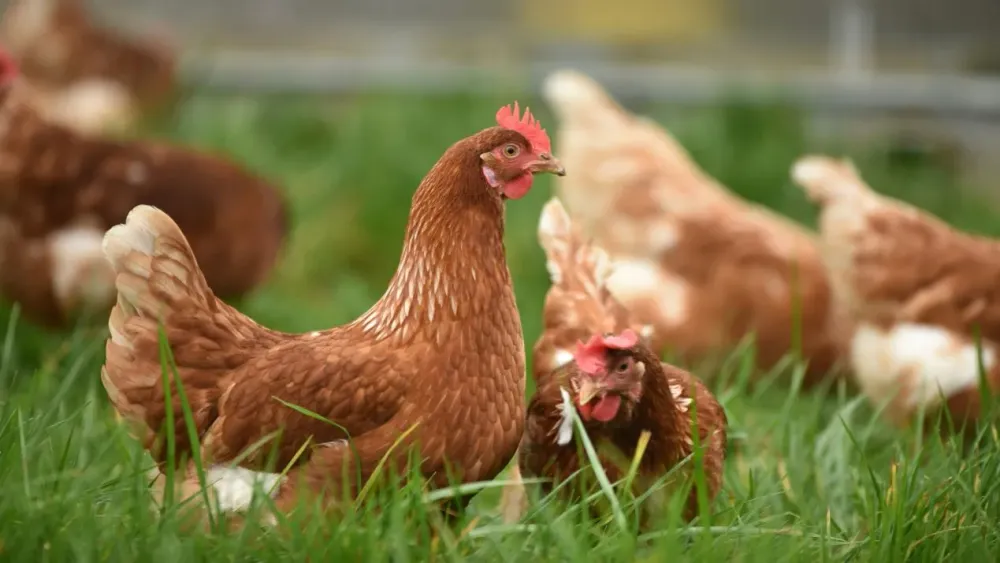
The World Organisation for Animal Health (WOAH) reported the highly pathogenic avian influenza outbreak using epidemiological information supplied by Mexican agricultural authorities. The intensive-production farm housed 225,860 laying hens; 862 had died before veterinary intervention and emergency sanitary measures began.
Federal and regional animal health authorities, including SENASICA and CPA, culled the remaining 224,998 birds to prevent further spread. The Poultry Site reported details of the containment operation, which included establishing the perimeter around the affected farm.
SENASICA's November 5, 2026, press release described the testing process: the Official Biosafety Level 2 Laboratory in Mérida initially detected highly pathogenic avian influenza subtype H5 in samples from the farm. The samples then went to the Biosafety Level 3 Laboratory of the Mexico–United States Commission for the Prevention of Foot-and-Mouth Disease and Other Exotic Animal Diseases (CPA), in Palo Alto, Mexico City, for additional virus isolation and sequencing tests.
Surveillance and the search for an infection source
CPA technicians are sampling every poultry-fattening, commercial egg-laying and breeding production unit within the 10-kilometer perimeter, SENASICA said. Diagnostic findings will guide the agency's General Directorate of Animal Health as it considers whether to authorize emergency vaccination at surrounding farms.
The source of infection remains unknown. Authorities are inspecting nearby bodies of water used in winter by wild birds migrating from northern North America. SENASICA also said wildlife disease-surveillance specialists will look for infections among free-living birds to determine whether infected migratory species were the source.
The affected farm must complete a sanitary break before sentinel birds are introduced. SENASICA said those birds will be used to check that the virus is absent before officials authorize restocking.
National supply and industry pressures
SENASICA and the Secretariat of Agriculture and Rural Development (SADER) said the farm's flock accounted for just 0.09% of Mexico's national inventory. The agencies said the outbreak does not affect market supply, guaranteed the availability of poultry products nationwide and stated that poultry meat and eggs remain safe to eat.
Mexico Business News reported that the outbreak has nevertheless prompted agricultural conglomerates, major poultry integrators and supply chain directors to review disease-prevention measures, risk management and backup distribution plans.
Its assessment places the outbreak alongside existing pressures on producers such as Industrias Bachoco and Pilgrim's Pride México: variable feed grain costs, environmental compliance requirements, changing consumer purchasing habits and inflation. Mexico Business News also described added logistical difficulties threatening regional table egg distribution and increasing cost pressures in retail and food service.
North American outbreak activity
The Mexican case comes amid other reported H5 outbreaks in North America. In its November 7, 2026, roundup, Avian Flu Diary said Washington State had added three H5N1-infected dairy herds, two in Yakima County and one in Benton County. Those additions brought the state's total to 43 herds since the first week of October 2026. The report also noted three human infections, including one death.
The same roundup said USDA records showed HPAI H5 spillovers across 18 states. California was the hardest hit, with more than 1,300,000 birds affected. Canada had reported 27 outbreaks since bird flu activity resumed in mid-September 2026.