Diverging conclusions despite coordinated investigation
The U.S. Food and Drug Administration has closed its investigation into last summer's cyclospora outbreak, identifying a farm in Guanajuato that supplied iceberg lettuce to Taylor Farms as the source of contamination. Mexico's food safety regulator Cofepris, however, rejects that conclusion, setting up a rare public disagreement between the two countries over food safety findings.
The outbreak sickened 12,883 people across 21 states between late June and early September, resulting in 570 hospitalizations and two deaths. The illness, caused by the Cyclospora cayetanensis parasite, typically produces watery diarrhea, stomach cramps, loss of appetite, fatigue and nausea. Symptoms usually appear within one week of exposure but can take anywhere from two days to two weeks to manifest, and without treatment may persist for weeks.
FDA and Cofepris reach different conclusions
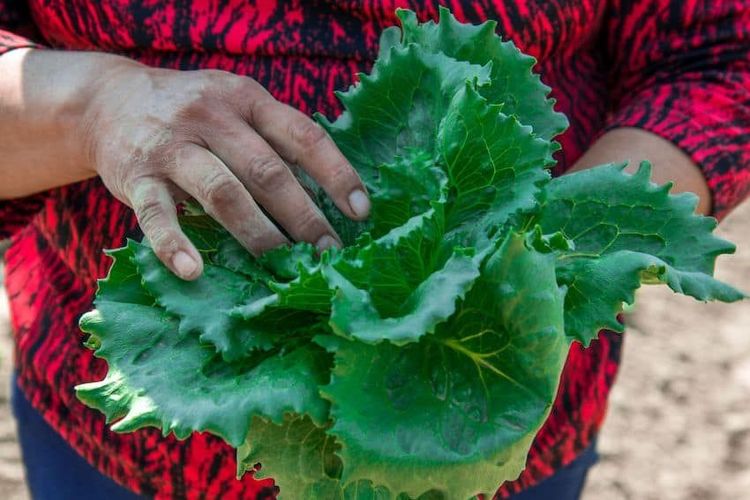
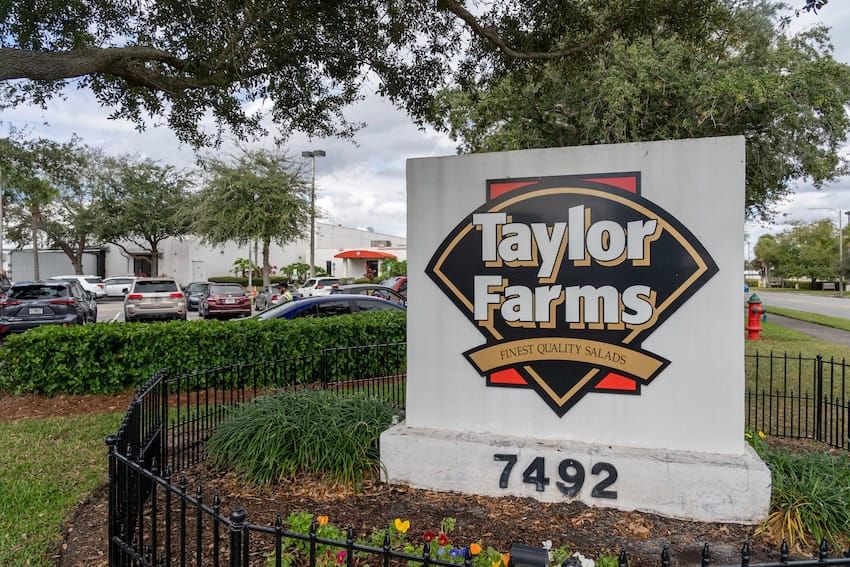
In its final update issued Oct. 2, the FDA stated that investigations "identified several farms and a processing facility in Mexico that provided recalled lettuce distributed by Taylor Fresh Foods." The agency pointed to "strong epidemiological data and traceback convergence" linking the outbreak to shredded iceberg lettuce from Taylor Farms de México.
The FDA found two environmental samples positive for cyclospora: one from a tank holding outgoing wastewater at the Taylor Farms processing facility in Guanajuato, and another from a drainage ditch at an iceberg lettuce grower. However, the agency acknowledged that "there is currently not enough evidence to conclusively determine how contamination occurred in this outbreak," noting only that the positive samples demonstrate the parasite "was present in the environment where lettuce was grown and processed."
Cofepris, a decentralized agency of Mexico's Secretariat of Health established in 2001 to regulate food safety, pharmaceuticals and medical devices, conducted its own testing at the implicated facilities. According to the Mexican regulator, samples from raw materials, finished products and water at the Guanajuato sites all tested negative for the cyclospora parasite at its national reference laboratory.
The agency maintains that environmental findings alone do not constitute conclusive evidence that agricultural products were the contamination source, and insists available analytical data does not support a determination that Mexican products caused the outbreak.
Recall affected 31 states
Taylor Farms issued a recall on July 17 covering iceberg lettuce distributed to 31 states. The recall included shredded product distributed to foodservice operations in 27 states and Marketside-brand consumer bags sold at Walmart stores in 15 states between June 29 and July 16.
The company attributed the contamination to an independent grower no longer part of its supplier program. "Our facility remains closed in central Mexico as we work with our research team to implement enhanced safety protocols from the field to the facility," Taylor Farms stated.
Testing challenges and inspection gaps
The investigation was complicated by testing difficulties. On July 18, the FDA initially reported that a lettuce sample from Taylor Farms tested positive for cyclospora, but the agency retracted that finding the following day after laboratory experts re-reviewed the results and determined it was a false positive.
The FDA's August inspection of the Taylor Farms Guanajuato facility marked its first visit to the site in more than seven years, part of a broader pattern of declining international oversight. FDA inspections of foreign food sites have fallen nearly 35% since 2019, before the COVID-19 pandemic, with foreign food inspections declining another 17% in fiscal year 2025 to just 1,140 inspections.
The disagreement comes despite a formal collaboration framework: the FDA-SENASICA-Cofepris Food Safety Partnership, established through a Statement of Intent in September 2020 to enhance cooperation between the United States and Mexico on food safety matters. That partnership expanded a previous 2014 agreement that had focused solely on produce safety.
The stakes are significant given the volume of trade between the two countries. Approximately one-third of all FDA-regulated human food imported into the United States comes from Mexico, including 60% of all imported fresh produce.
Cyclospora outbreaks have become a recurring summer pattern in the United States since the 2010s, regularly linked to contaminated fruits and vegetables. The parasite is too small to see, smell or taste on food, making detection through routine inspection difficult. Those who contract cyclosporiasis are typically treated with the antibiotic combination trimethoprim-sulfamethoxazole, along with rest and maintaining proper hydration.
The U.S. Centers for Disease Control and Prevention declared the outbreak over on Sept. 11.