Healthcare coverage declines sharply
Mexico provided coverage for a core set of health services to just 78% of its population in 2023, falling 20 percentage points below the OECD average of 98% and ranking last among 40 countries assessed. The coverage rate has deteriorated markedly from 92.3% in 2015.
The decline stems largely from the 2020 replacement of Seguro Popular with the Instituto de Salud para el Bienestar (INSABI), which led to the number of uninsured households nearly doubling between 2018 and 2020. Insurance coverage dropped from 87.2% in 2018 to 72.9% in 2020, with the uninsured rate climbing further to 29.1% by 2023.
The policy shift particularly impacted women, doubling the number of uninsured women to 16 million. INSABI also reduced coverage for many chronic and severe illnesses, placing between 40% and 60% of the financial burden directly on patients.
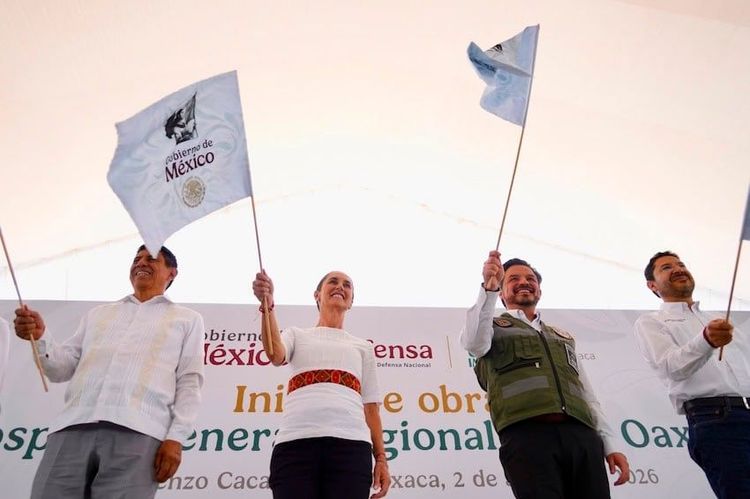
In response, the Mexican government is undertaking a major healthcare reform aimed at achieving universal health coverage by 2030. The initiative involves integrating IMSS (Mexican Social Security Institute), ISSSTE (Institute for Security and Social Services for State Workers), and IMSS-Bienestar into a unified public health service. By 2025, 23 of Mexico's 32 states had signed collaboration agreements supporting this reform.
Life expectancy stagnates
Mexico's life expectancy rose only marginally over the past decade, from 75 years in 2015 to 75.5 years in 2024, leaving it 5.6 years below the OECD average of 81.1 years. The country ranked 46th among 49 countries assessed on this measure.
Avoidable deaths surge
Mexico recorded 418 avoidable deaths per 100,000 people in 2023, almost twice the OECD average of 222, ranking 40th of 44 countries. The preventable mortality rate rose approximately 10% between 2013 and 2023 to reach 243 deaths per 100,000 people, while the treatable mortality rate increased about 15% to 175.
Cardiovascular disease represents a leading cause of mortality and disability in Mexico, with diabetes serving as a key risk factor. Nearly 20% of preventable deaths are caused by diabetes, and excess mortality associated with diagnosed diabetes accounts for one-third of all deaths. Coronary heart disease mortality increased between 2000 and 2012 due to adverse trends in major risk factors and suboptimal use of treatments, with medical improvements preventing only 40.3% of deaths during that period.
The government declared an epidemiological alert in 2016 due to high rates of diabetes and obesity. By 2022, diabetes prevalence had reached 18.3%, including 12.6% diagnosed cases and 5.8% undiagnosed.
Obesity crisis intensifies
Approximately 36% of Mexicans aged 15 and over are obese, 10 percentage points above the OECD average of 26% and the second-highest rate among 14 countries with measured data, behind only the United States at 41%. Mexico's obesity rate has climbed from 33.3% in 2015, though the combined overweight-and-obesity rate has remained broadly stable above 70% over the past decade.
Mexico leads Latin America as the largest consumer of ultra-processed products, including sugary drinks, with preschoolers receiving about 40% of their calories from such sources. The country also ranked first in Latin America for childhood obesity between 2020 and 2021 at 35.20%, followed by Venezuela (35.00%), El Salvador (33.50%), and Chile (33.50%).
Physical inactivity has contributed significantly to the health burden. A 31% relative increase in physical inactivity among 35-64 year old Mexicans between 2006 and 2012 resulted in increased cases of type 2 diabetes (27,100), coronary heart disease (10,300), and stroke (2,200).
Healthcare spending remains low
Mexico spent 5.9% of GDP on healthcare in 2024, 3.4 percentage points below the OECD average of 9.3%, ranking 42nd of 49 countries. Spending rose only marginally from 5.8% of GDP in 2016.
Per-capita health expenditure stood at US $1,588 in 2024, compared with an OECD average of US $5,967, which is 275% higher. Mexico ranked 43rd of 49 countries on this measure. Although real per-capita spending grew at an annual average of 2.1% between 2019 and 2024, the spending gap with the OECD average widened slightly from 2016.
Hospital capacity lags
Mexico had just 1 hospital bed per 1,000 people in 2023, compared with an OECD average of 4.2, ranking last among 44 countries assessed. The ratio was unchanged from a decade earlier.
Public satisfaction remains flat
In 2023, 56% of Mexicans said they were satisfied with the availability of quality healthcare where they live, eight percentage points below the OECD average of 64%. Mexico ranked 27th among 38 countries. Satisfaction increased only marginally from 55% in 2014.