A dispute over sovereignty
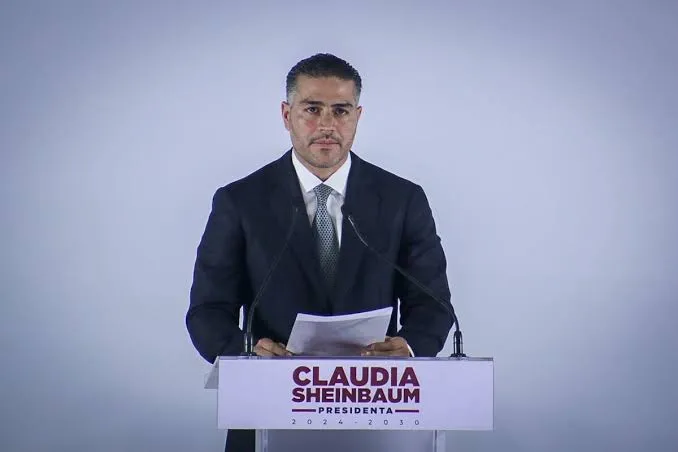
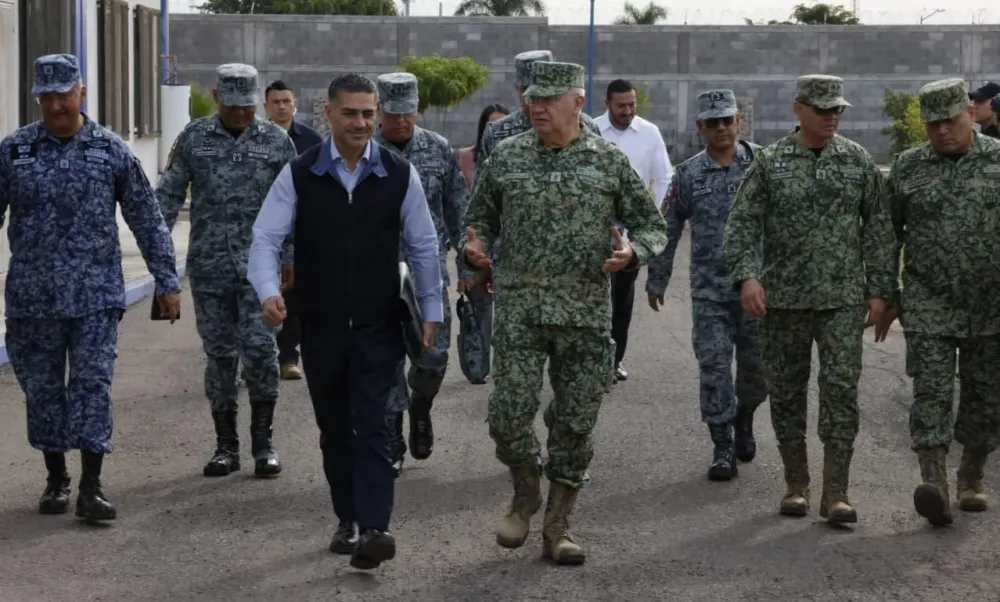
The Cabinet's statement followed criticism earlier in the day from President Claudia Sheinbaum, who chairs the body. Omar García Harfuch and the Defense Ministry lead the Cabinet.
"Following the announcement by @DEAHQ, Mexico's Security Cabinet reiterates that Mexico does not accept unilateral actions or interference in its territory," the body said.
The Cabinet said Mexican institutions already have the authority to take complaints, investigate offenses, fight corruption and address impunity. It called on each country to fulfill its own responsibilities against organized crime and said international cooperation must respect sovereignty and territorial integrity. It also cited shared but differentiated responsibility, mutual respect and trust, and cooperation without subordination.
Sheinbaum questioned why the U.S. Drug Enforcement Administration was creating direct reporting channels for Sinaloa residents rather than concentrating on corruption and drug distribution in the United States.
"Imagine if the Secretariat of Security and Citizen Protection opened a WhatsApp line for reporting corruption in the United States. How would the U.S. government view it? It is clearly a matter of interference, because the DEA has plenty to do in its own country—plenty," the president said.
In making her case, Sheinbaum pointed to an Associated Press report about an August 2024 operation. The report said federal agents watched a backpack containing up to 100,000 adulterated fentanyl pills being delivered at a hotel, then waited eight months to dismantle the network.
The DEA's reporting initiative
DEA Administrator Terry Cole had announced the Sinaloa channels the previous night. He said people could use WhatsApp, Signal, Threema and email to provide confidential, anonymous information about politicians allegedly colluding with drug traffickers. Cole also said he would repeat the effort on Thursday in Jalisco in connection with the CJNG.
Cole publicized the initiative in a post that tagged more than a dozen prominent Mexican journalists and news outlets, Borderland Beat reported. They included Carlos Loret de Mola, Carmen Aristegui, Joaquín López-Dóriga, Jorge Ramos, El Universal, Reforma, Milenio and Excélsior.
The announcement followed Cole's warnings, beginning November 17, that the DEA would continue investigating political networks linked to cartels.
The agency had used tip channels before the Sinaloa announcement. According to Semanario ZETA, the DEA and the U.S. Department of Justice published lines in February 2026 seeking information on René and Alfonso Arzate García, known respectively as "La Rana" and "El Aquiles," who were described as operators in the Sinaloa Cartel's Los Mayos faction. Ismael Zambada Sicairos, known as "El Mayito Flaco," was added in September.
Arrests and corruption allegations in Sinaloa
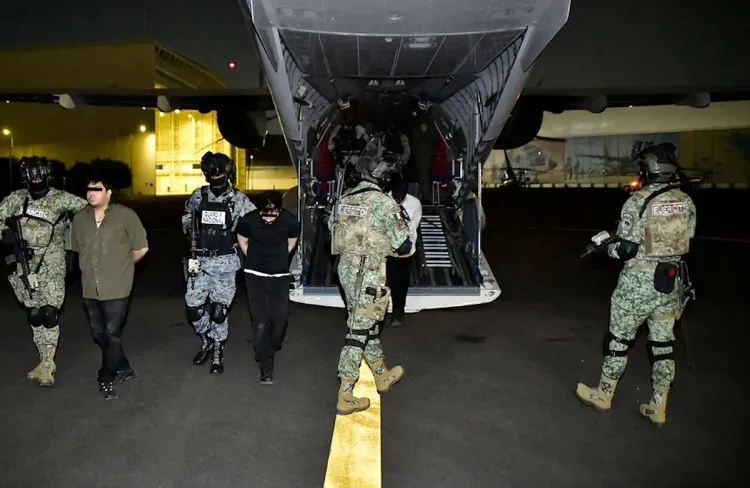
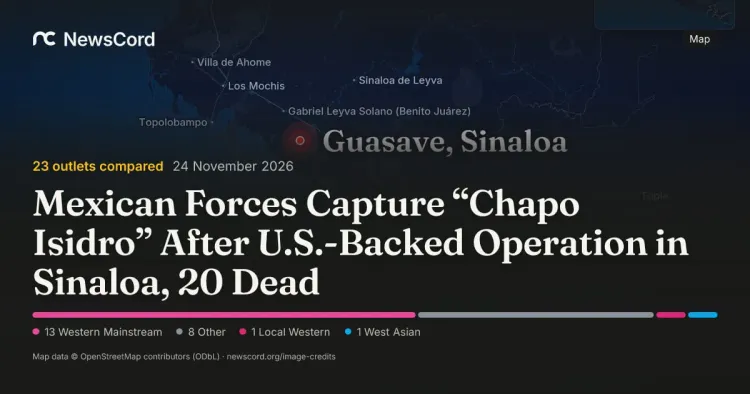
The new tip line was announced five days after the U.S.-assisted capture of Fausto Isidro Meza Flores, known as "El Chapo Isidro," according to Borderland Beat. He was captured on November 20 in Guasave, Sinaloa, La Razón de México reported. Borderland Beat said heavy federal reinforcements remained in the state when the channels were announced.
On November 23, García Harfuch, Mexico's secretary of security and citizen protection, acknowledged that corruption and negligence by authorities had allowed criminal groups to operate with impunity in Sinaloa, according to La Razón de México. He made the remarks while mourning four Defense Ministry personnel killed in a clash with the Beltrán Leyva organization, an ally of the Sinaloa Cartel's Los Mayos faction.
Earlier in the year, on April 29, the U.S. Attorney's Office for the Southern District of New York unsealed an indictment against sitting Sinaloa Gov. Rubén Rocha Moya and nine other current or former Mexican government and law enforcement officials. They face drug trafficking and related weapons charges.
Prosecutors allege the defendants conspired with the Sinaloa Cartel's "Los Chapitos" faction to bring fentanyl, heroin, cocaine and methamphetamine into the United States in return for bribes and political support. The allegations are accusations, and the defendants are presumed innocent.