Three months of intelligence sharing
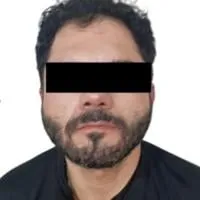
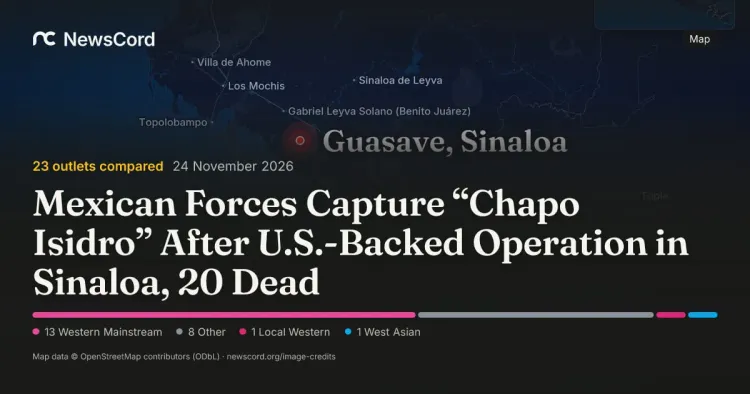
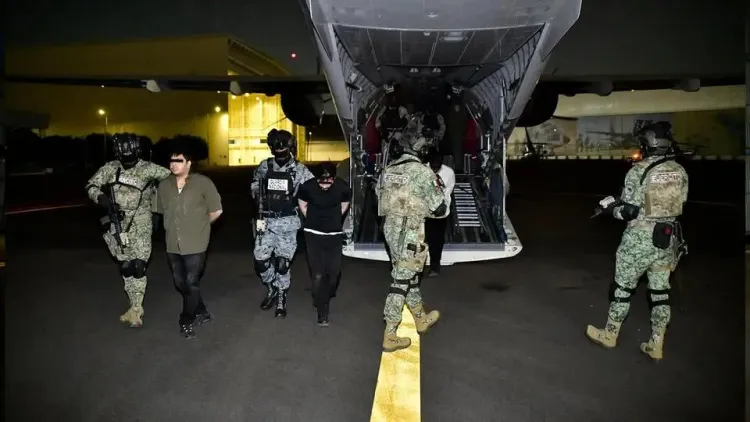
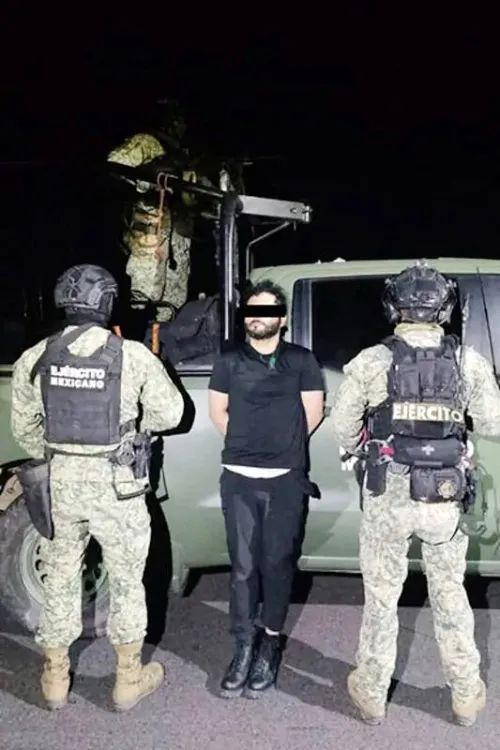
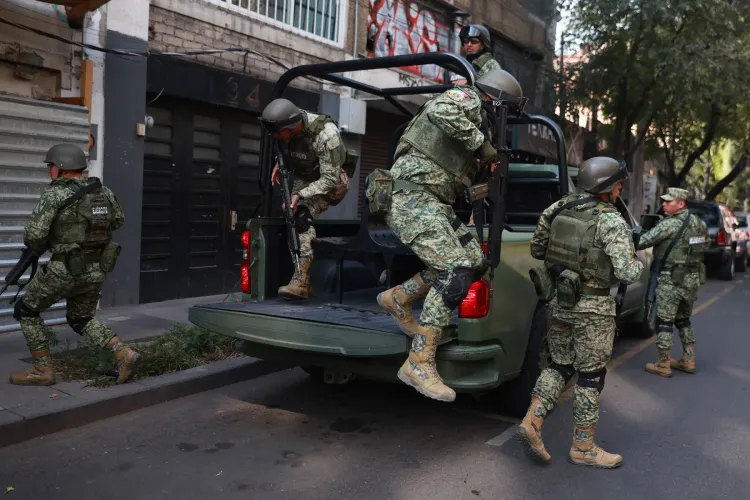
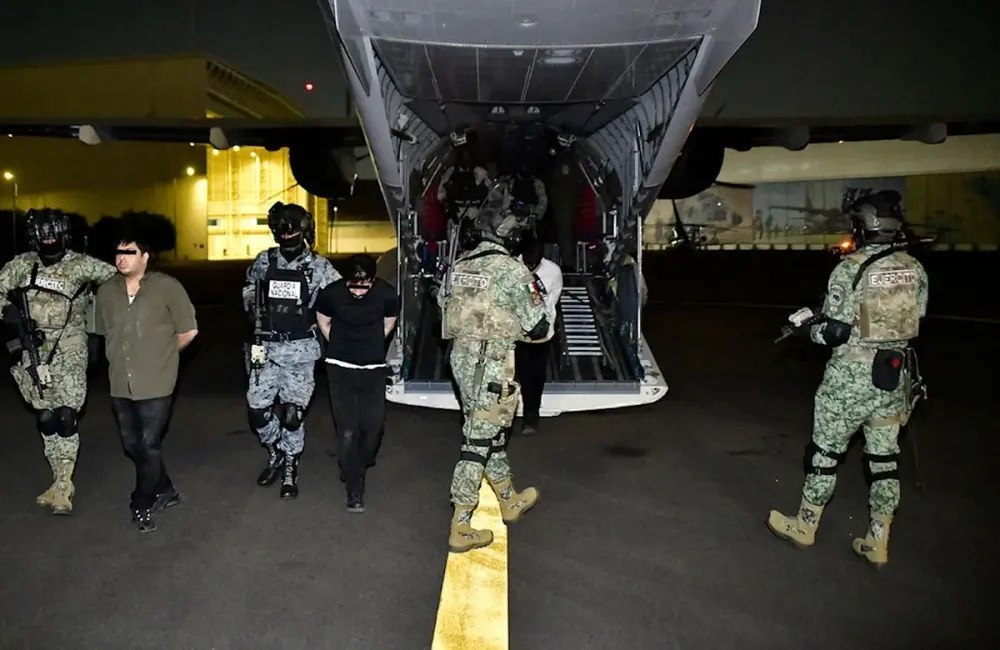
The Nov. 20, 2026, capture followed three months of work with U.S. authorities to establish Meza Flores' whereabouts, Mexican Defense Secretary Gen. Ricardo Trevilla Trejo said. Mexican forces arrested him and 16 members of his criminal group.
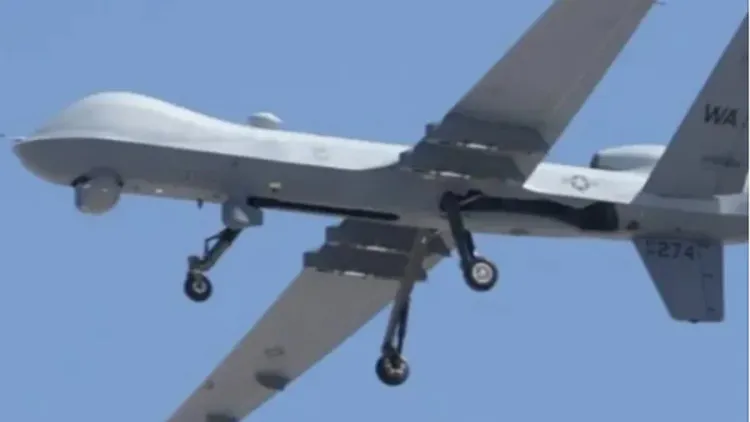
During the week before the arrest, Mexico approved U.S. intelligence-drone flights over its territory. The surveillance helped Mexican forces locate Meza Flores before surrounding him and carrying out the capture, Trevilla Trejo and other officials said. They said the flights complied with Mexican law.
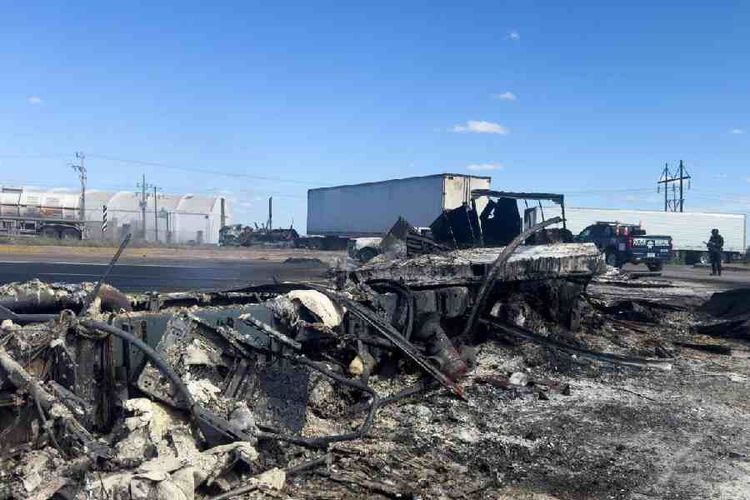
Officials disclosed the scale of Operation Centella at a Nov. 23 briefing: Mexico deployed 361 personnel and 14 military aircraft. The capture triggered violence in Guasave that killed four Mexican soldiers and 16 suspected gunmen. Ten military personnel were injured.
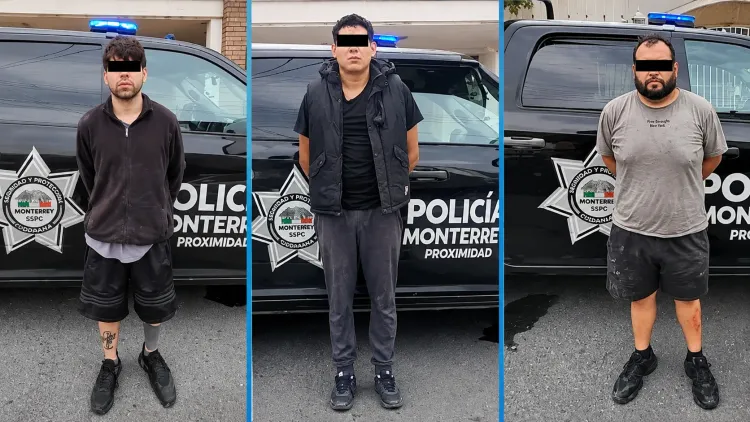
Those arrested included alleged cartel leader German Rolando Galvez Meza, known as "El Serafin," according to the U.S. Justice Department and Trevilla Trejo. Mexican authorities identified him as Meza Flores' cousin and second-in-command. They also detained Jose Luis "N," his brother-in-law and alleged financial operator, and Panfilo "N," another cousin accused of handling logistics.
Mexican and U.S. law enforcement officials hailed the capture, which was recorded on video, as a major setback for criminal groups in the region. Washington acknowledged providing intelligence but did not immediately answer questions Monday about the surveillance drone.
Sheinbaum sets limits on U.S. involvement
Sheinbaum said Monday that American forces were not permitted to conduct ground operations in Mexico. She credited the arrest to the capabilities of Mexico's armed forces and said her government had refused U.S. requests for a larger role.
"They intended to have much greater involvement, even in planning operations, and we said no," she said on Nov. 23. She also said the United States "intended to operate with their armed forces in Mexico, and we said no."
The cooperation comes amid pressure from President Trump for stronger Mexican action against cartels. Mexico has repeatedly asserted its sovereignty, reflecting longstanding sensitivities over American participation in its security operations. Elsewhere in Latin America, Washington's efforts to secure permission for U.S. forces to operate have met mixed responses.
Mexican charges and a pending U.S. extradition request
Mexico's prosecutors' office announced Monday that Meza Flores and two other alleged cartel members had been formally charged with illegal firearms possession and possessing methamphetamine with intent to sell. The three were flown to Mexico City over the weekend after their capture.
Mexican authorities said an existing U.S. extradition request on drug trafficking charges could lead to Meza Flores being sent to the United States. No transfer was announced.
The FBI placed Meza Flores on its Ten Most Wanted Fugitives list on Feb. 4, 2025. He was the 533rd person listed, according to the FBI, as reported by Border Report. The State Department had offered up to $5 million for information leading to his arrest, and the Justice Department described him Saturday as a senior Sinaloa Cartel leader.
A six-count superseding indictment in the District of Columbia charges him with leading a continuing criminal enterprise; conspiring to manufacture and distribute cocaine, methamphetamine, heroin, marijuana and fentanyl for importation into the United States; and conspiring to launder money internationally, according to the Justice Department.
The remaining charges allege a conspiracy to provide material support to a terrorist organization, narcoterrorism, and the use of a firearm, including a machinegun and a destructive device. The department said conviction could bring the death penalty or a mandatory life sentence.
The Justice Department also cited the secretary of state's Feb. 20, 2025, designation of the Cartel de Sinaloa as a Foreign Terrorist Organization under Section 219 of the Immigration and Nationality Act and as a Specially Designated Global Terrorist under Executive Order 13224.
The organization and its cartel alliances
Before heading his own criminal organization, Meza Flores led the Beltran Leyva organization. That group broke with the Sinaloa Cartel in 2008, setting off a violent regional power struggle, the Associated Press reported, citing the U.S. Treasury Department.
His subsequent group, the Meza-Flores Transnational Criminal Organization, is also known as Los Mazatlecos. The FBI and Mexico's government have accused it of kidnapping, extortion, torture and murder, as well as drug trafficking, according to the Associated Press.
Trevilla Trejo described a network that transported drugs north from Sinaloa toward the Arizona border along Federal Highway 15. It also used Gulf of California maritime routes, including coastal areas near Topolobampo, Guasave, Mazatlan and Guaymas.
Meza Flores was a key ally of Los Mayos, a Sinaloa Cartel faction fighting a violent territorial conflict with a rival faction in the state. According to Trevilla Trejo, in May 2025 Meza Flores allied with Ismael Zambada Sicairos, known as "El Mayito Flaco," and supplied weapons and logistical support against the rival Chapitos faction.
Officials say the network remains intact
The arrest extends a series of Mexican operations targeting cartel leaders. The largest was the February killing of Nemesio Oseguera Cervantes, known as "El Mencho," who led the Jalisco New Generation Cartel.
Experts have warned that this approach can backfire if authorities remove leaders without weakening the organizations beneath them. Earlier campaigns in Mexico and elsewhere in Latin America have often intensified violent succession struggles, a pattern also seen in Sinaloa in recent years.
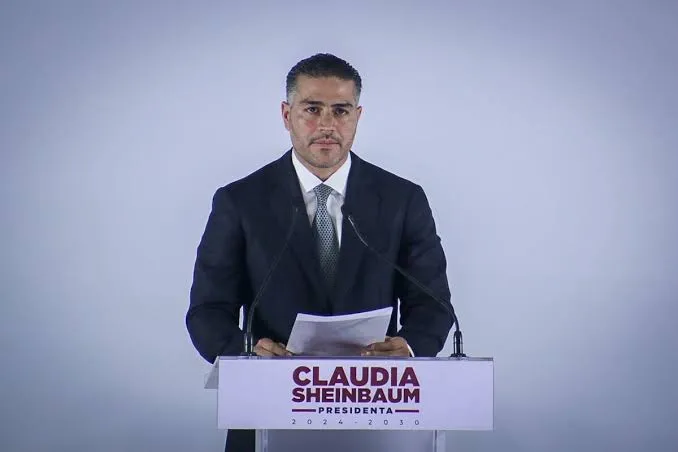
Mexican Security Secretary Omar García Harfuch cautioned on Nov. 23 that Meza Flores' capture had not eliminated his organization. "We cannot say it has been dismantled," he said.
García Harfuch said federal and state authorities had arrested roughly 4,200 people in Sinaloa from Oct. 1, 2024, through Nov. 15, 2026, while seizing more than 150 metric tons of drugs and 7,400 firearms. In a post on X, he said armed forces would remain in the state to protect civilians.