Planning, training and border coordination
Gen. Joseph Ryan, commanding general of U.S. Army Western Hemisphere Command, co-chaired the eighth executive staff talks with Mexican Army commander Lt. Gen. Héctor Ávila Alcocer. Their discussions addressed collective training, information sharing, aviation sustainment and coordination along the shared border.
The framework carries forward initiatives from the August 2026 Steering Committee. It makes combined planning a standing part of cooperation, strengthens liaison arrangements and tactical communications, and expands advanced bilateral exercises. Those exercises include multinational rotations at the Joint Readiness Training Center at Fort Polk, Louisiana, and Mexico's national training center in Santa Gertrudis, Chihuahua.
The leaders reaffirmed their view that the defense relationship is important to addressing transnational security challenges, supporting regional stability and helping the two countries' land forces operate together.
"Our partnership has real momentum," Ryan said. "This week's bilateral discussions allow us to capitalize on that progress — identifying emerging opportunities, deepening institutional trust, and expanding operational compatibility for years to come."
Cooperation during the command's first year
Ryan's command was approaching its first anniversary at the time of the talks. According to the Army, U.S. Army Western Hemisphere Command was activated at Fort Bragg, North Carolina, on Dec. 5, 2025. It brought the former U.S. Army Forces Command, U.S. Army North and U.S. Army South together under one four-star operational headquarters.
The headquarters serves as the Theater Army for both U.S. Northern Command and U.S. Southern Command. The Army had expected it to reach full operational capability by fall 2026.
"In [U.S. Army Western Hemisphere Command's] first year as a theater army, U.S. and Mexican soldiers have stood shoulder to shoulder through several significant milestones," Ryan said.
Among those milestones were major bilateral exercises held this fall at Fort Polk and in Chihuahua, Mexico. The California National Guard also marked one year of its State Partnership Program relationship with Mexico. Meanwhile, Joint Task Force Southern Border, led by the 1st Armored Division at Fort Bliss, Texas, developed what the account described as a lasting, mutually beneficial relationship with Mexican counterparts.
A broader series of military meetings
La Razón de México reported that the Army Staff Talks were part of a series of 2026 meetings under the Bilateral Military Cooperation Roundtable, a mechanism operating since 2016.
Earlier sessions took place in Champotón, Campeche, on May 27–30 and in Veracruz on July 21. The Veracruz meeting included Gen. Gregory M. Guillot, commander of U.S. Northern Command and NORAD. Another session followed at Peterson Space Force Base, Colorado, on Aug. 23–26.
Shortly before the Army talks, Colorado Springs hosted a logistics coordination board executive session on Nov. 3–4. Participants included Mexico's Secretariats of Defense and Navy, known as Defensa and Semar, along with U.S. Northern Command and NORAD.
Intelligence cooperation and a November capture
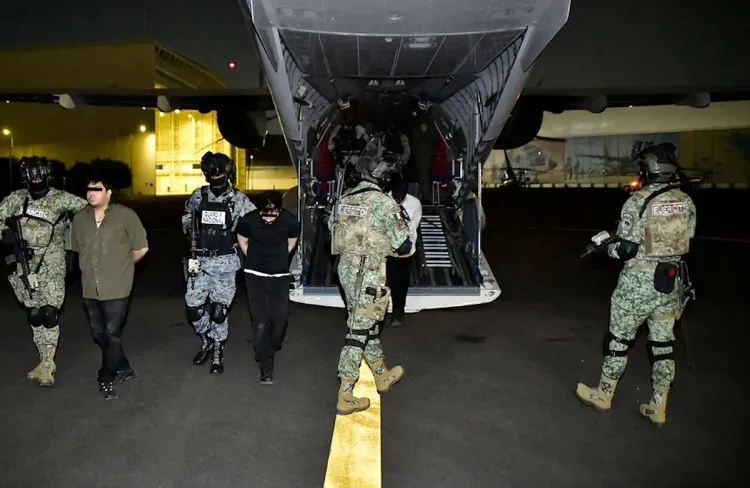
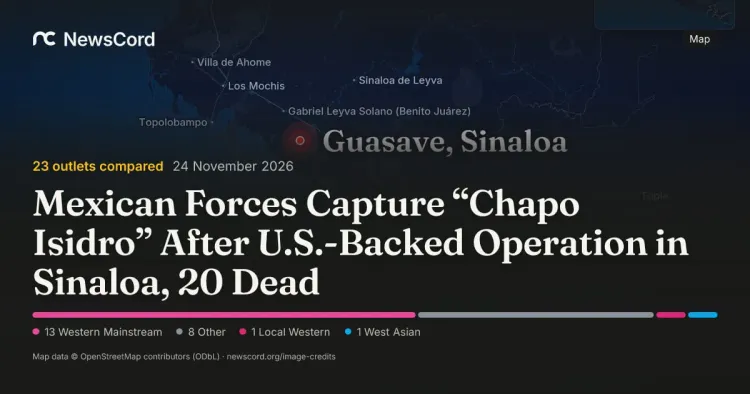
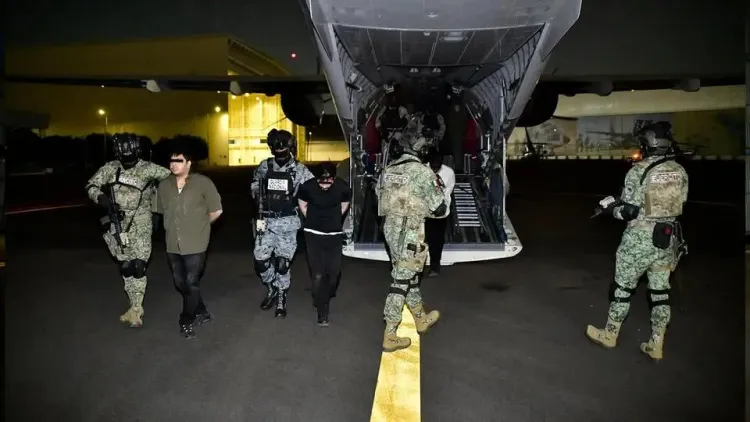
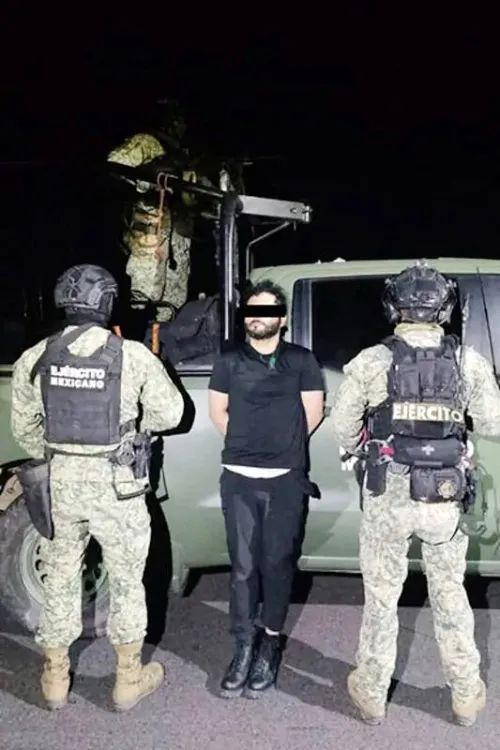
La Razón de México cited a subsequent operation as a recent result of bilateral cooperation: the Nov. 20 capture of Fausto Isidro Meza Flores, alias "El Chapo Isidro," leader of the Beltrán Leyva criminal organization.
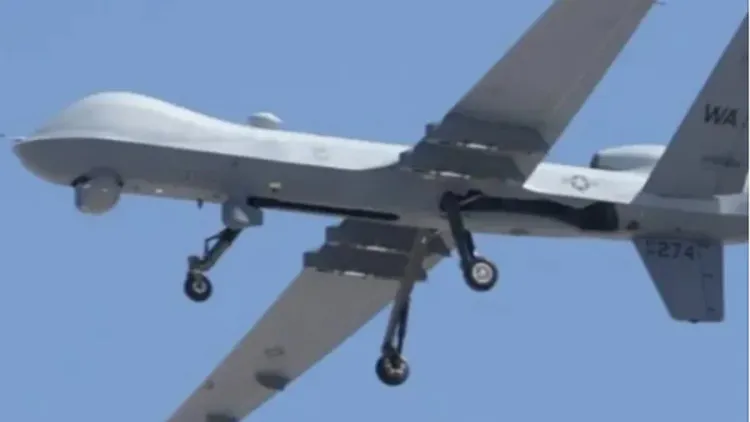
According to Mexico's Secretariat of Defense, Mexican federal forces captured Meza Flores in Guasave, Sinaloa, following coordination between Mexican and U.S. intelligence agencies.