Roadblocks disrupt travel, businesses and schools
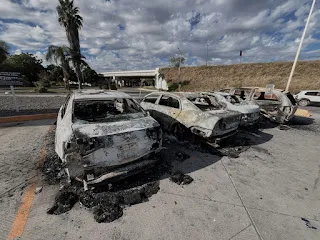
Blockades began on the night of the capture and expanded through Saturday. Sinaloa Security Secretary Sinuhé Téllez López counted 21 blockade locations along Mexico 15 between Culiacán, Guasave and Los Mochis, as well as in Navolato. He also reported the theft of 51 vehicles and vandalism at 15 businesses, including one that was burned.
Businesses in Guasave remained closed over the weekend, while bus service operated at minimal levels. Disruptions continued into Monday, when many parents kept children out of school and some schools moved classes online.
Soldiers also came under attack the day after the capture in the mountains of Sinaloa de Leyva, east of Guasave. The Army said it detained eight suspected members of the group, including a minor, and linked them to the Guasave blockades. According to the Army, the group had .50-caliber machine guns and a 5.56 mm minigun allegedly used against military helicopters.
Proceso described the area as being under the influence of Óscar Manuel Gastélum Iribe, known as "El Músico," who has been mentioned as a possible successor to Meza Flores.
The raid and conflicting death tolls
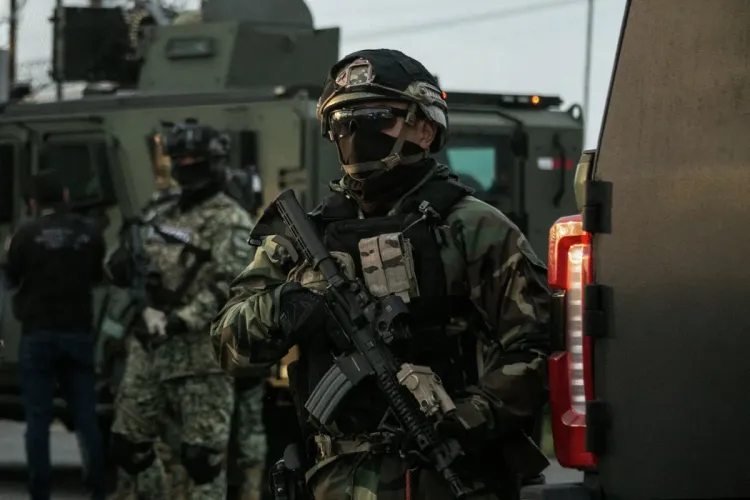
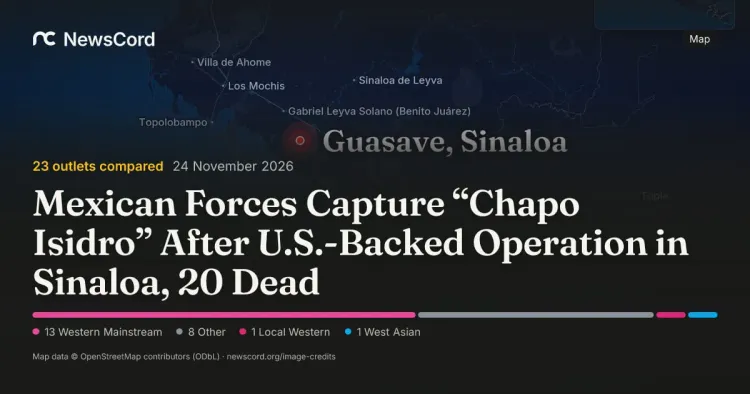
Operation Centella started in Guasave's San Fernando neighborhood shortly after 7 p.m. on Friday, November 20. Residents had reported drones overhead earlier that day. The ensuing battle extended to the waterfront and outskirts of the city and continued for roughly two hours.
The federal security cabinet's count put the death toll at 20. Proceso reported 21 deaths, citing Defensa, while local accounts claimed at least 25. Guasave Mayor Cecilia Ramírez Montoya said there were no recorded civilian deaths.
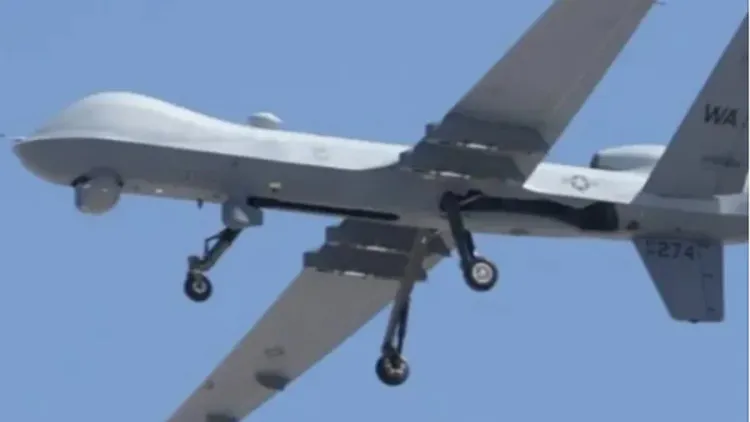
Defense Minister Ricardo Trevilla said Mexico had requested U.S. drone surveillance of Meza Flores and maintained that the flights complied with Mexico's Constitution and National Security Law. The New York Times reported that U.S. reconnaissance drones flew over the area whenever weather permitted.
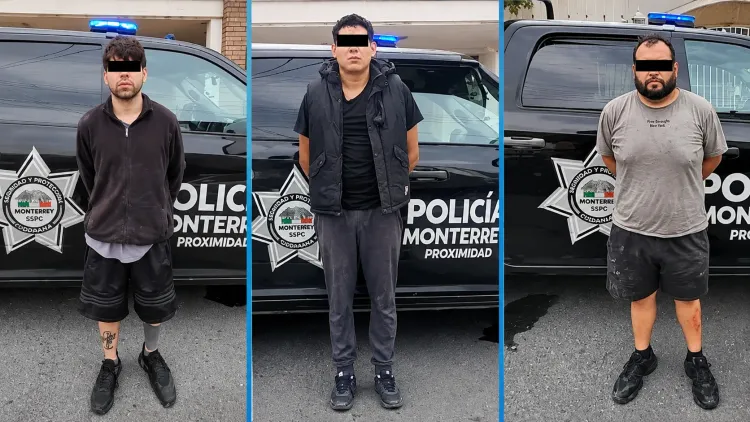
Trevilla identified several others detained alongside Meza Flores: his cousin Germán "N," known as "El Serafín" and described as his alleged second-in-command; his brother-in-law José Luis "N," a financial operator; and another cousin, Pánfilo "N," a logistics operator. The overall number detained, including Meza Flores, was 16.
Authorities said the operation yielded 28 firearms, among them two Barrett .50-caliber weapons, and 17 vehicles. Eight vehicles had improvised armor plating. The reported seizures also included 205,300 pesos in cash, drugs and radios.
Mexican prosecution takes priority
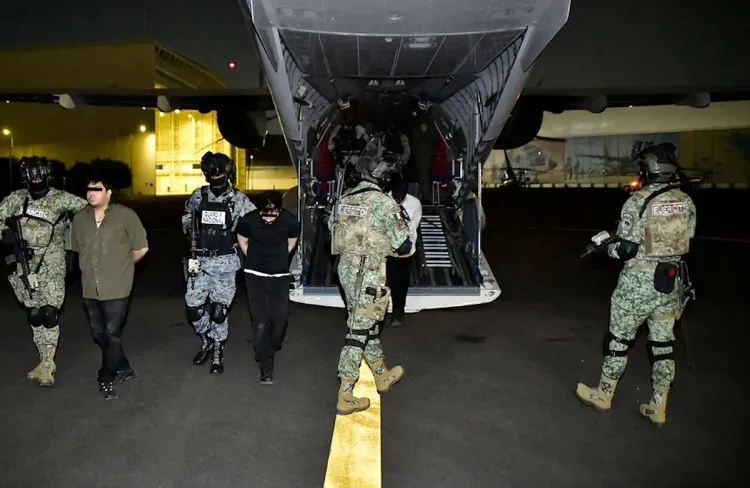
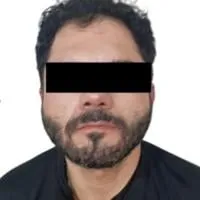
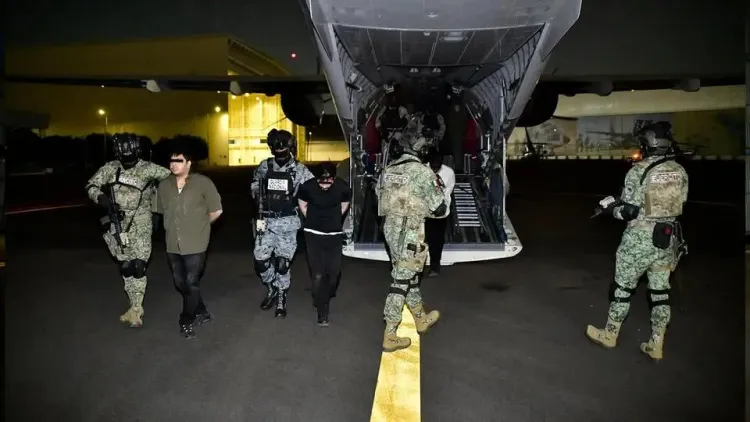
After his capture, Meza Flores was transported by air to the Altiplano maximum-security prison. A judge ordered pretrial detention for him and two accomplices. Officials said he had previously been detained and released four times.
Trevilla said Meza Flores was wanted in Mexico on organized crime and drug trafficking charges and faced a U.S. extradition request. U.S. authorities have charged him in Washington, D.C., with running a continuing criminal enterprise. Attorney General Ernestina Godoy ruled out an immediate extradition, saying, "We're going to try him in Mexico."
Meza Flores had been on the FBI's Ten Most Wanted list. The U.S. Department of State's Narcotics Rewards Program and the FBI Washington Field Office had offered up to $5 million for information leading directly to his arrest and/or conviction.
The FBI described him as Alfredo Beltrán Leyva's "right hand man" before Beltrán Leyva was arrested in 2008. According to the bureau, the Meza-Flores Transnational Criminal Organization predominantly controlled drug distribution in parts of Sinaloa, southern Sonora and Nayarit.
Federal officials send additional vehicles
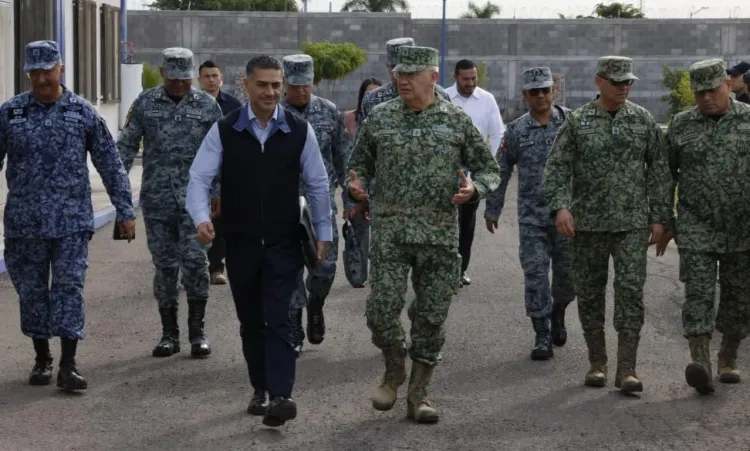
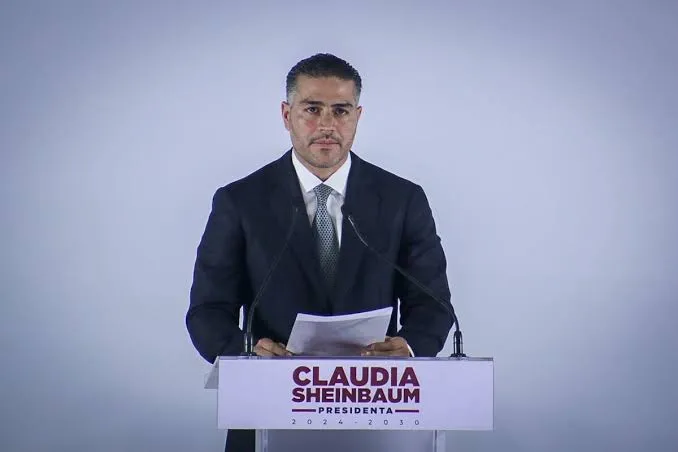
Security Secretary Omar García Harfuch traveled to Sinaloa with the federal security cabinet on Tuesday and began delivering more than 200 patrol cars, motorcycles and armored vehicles. He described the capture as "an important step toward the pacification of Sinaloa."
Authorities have also reinforced the security detail assigned to Guasave Mayor Cecilia Ramírez Montoya.