Mexico formalizes ban on dual nationality for future presidents and governors
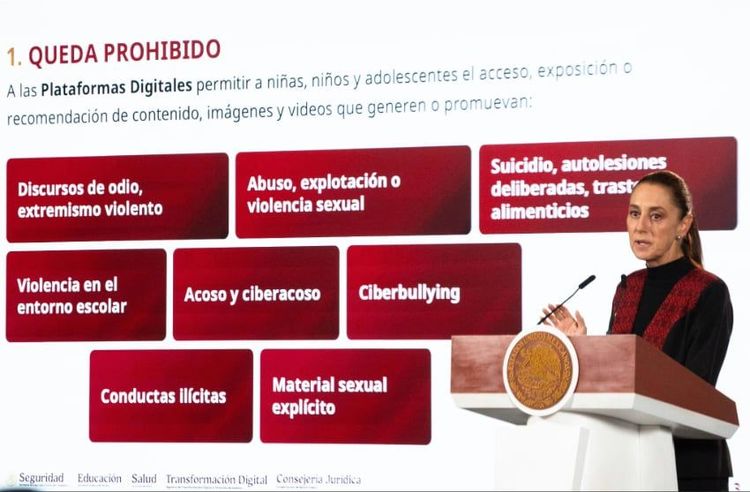
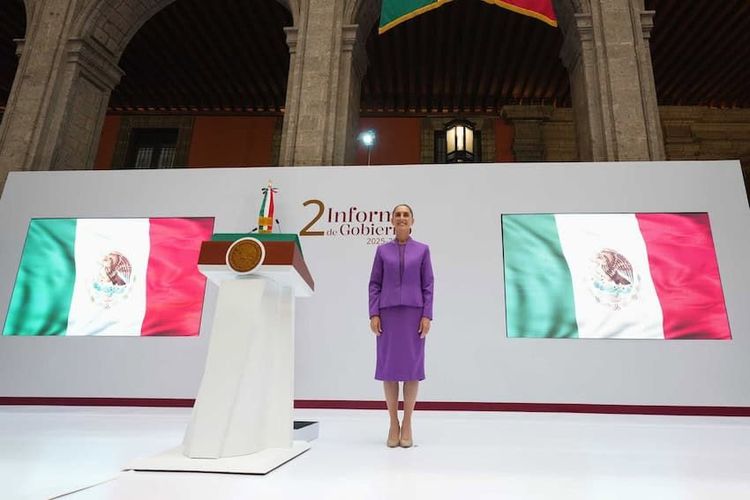
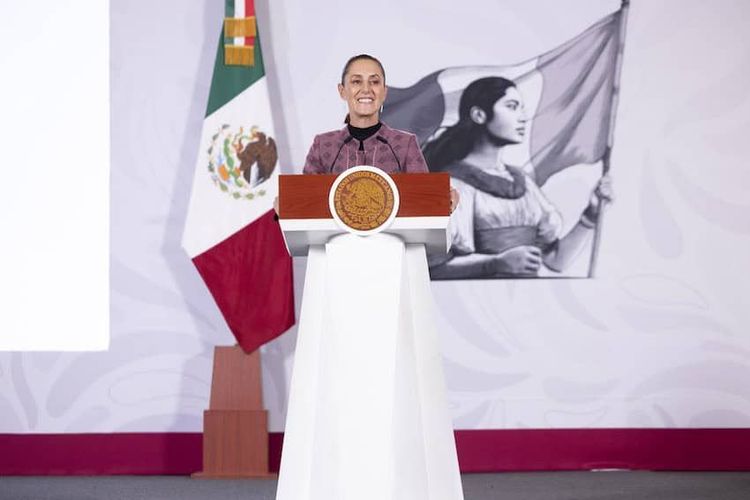
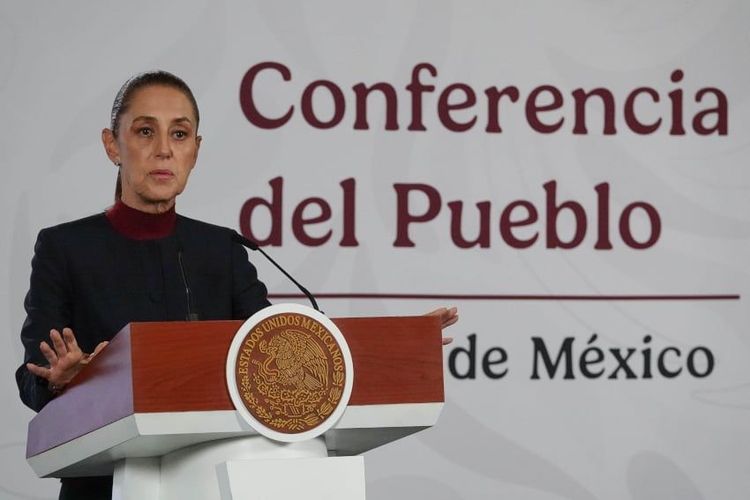
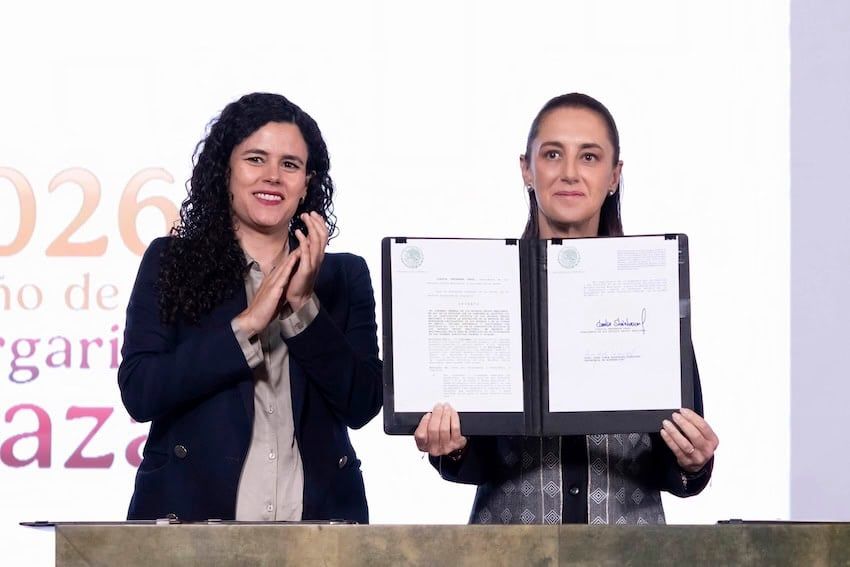
President Claudia Sheinbaum formalized a constitutional reform on Wednesday morning that prohibits future presidential candidates from holding dual nationality, signing the decree during her daily press conference at the National Palace.
The reform, which also applies to gubernatorial and Mexico City mayoral candidates, amends Articles 82, 116, and 122 of the Mexican Constitution. It passed the Chamber of Deputies on September 22, 2026, with a vote of 344 in favor to 116 against, before clearing the Senate 86-42 on September 29.
The new requirement takes effect from 2028, after gubernatorial elections scheduled for 17 states in June 2027. Candidates who currently hold dual nationality must renounce their second nationality before registering as candidates.
"Presidents of Mexico can only have one flag, one homeland, one people to defend,"
Sheinbaum declared last week in support of the measure.
The reform has drawn criticism from opposition figures. Citizens Movement Senator Luis Donaldo Colosio Riojas argued that it
"creates two categories of Mexicans in the constitution."
The American Society of Mexico urged senators to reject the reform as discriminatory during the legislative process.
Defending the measure, Morena Senator Óscar Cantón said the reform aims to prevent
"temptations, ambitions and betrayals"
against the Mexican people. After signing the decree Wednesday, Sheinbaum held it up before those present in the National Palace, drawing applause.
Government sets 60% target for public electricity generation
Energy Minister Luz Elena González presented the administration's plan to increase the Federal Electricity Commission's share of national power generation to at least 60% by the end of Sheinbaum's term.
González told reporters that the CFE's share had fallen to as low as 40% earlier this century due to what she called
"a mistaken and irresponsible neoliberal vision."
Current legislation, enacted in late 2024 as part of a broader constitutional reform that reversed key elements of the 2013 energy reform, guarantees the CFE at least 54% of electricity supplied to the national grid. The reform also eliminated the independent regulatory commission CRE, replacing it with the National Energy Commission.
The 54% requirement effectively caps private sector participation at 46% of electricity injected into the grid, shifting away from the previous economic merit-order dispatch system that prioritized lowest-cost generation.
At the close of 2025, the CFE held around 51% of the National Electric System's installed capacity — 46,560 megawatts out of 91,073 MW total — and generated 42.7% of electricity. This figure rises to 57.2% when including power plants acquired by FONADIN from Iberdrola in 2024.
González announced that more than 1 trillion pesos ($55.5 billion) will be invested in electricity projects between 2025 and 2030, with 794 billion pesos designated for generation projects. The CFE will invest 142.46 billion pesos in generation while the private sector contributes 199.1 billion pesos. The remaining 452.5 billion pesos will fund public-private electricity generation projects.
The minister emphasized the government's commitment to renewable energy, including solar and wind projects. According to the presentation, electricity generation using renewable sources will increase from 24% currently to 38% in 2030.
President addresses Nayarit plane crash investigation
When asked about Sunday's crash of a light plane used by Nayarit Governor Miguel Ángel Navarro Quintero, Sheinbaum suggested a mechanical defect was the likely cause.
The Cessna Citation I/SP departed Tepic around 4:30 PM on October 4 bound for Aguascalientes. Contact was lost between 4:48 PM and 5:00 PM after the aircraft apparently attempted to return to Tepic. The wreckage was located Monday in the sierra near Ixtlán del Río. The pilot and co-pilot were killed in the accident.
The Nayarit Attorney General's Office launched an investigation into whether the crash was linked to a possible assassination attempt against the governor. State Prosecutor Ludmila Heredia Verdugo revealed that authorities had obtained intelligence suggesting members of organized crime may have been tracking Navarro's flight schedule.
However, Sheinbaum said the federal government had no information regarding a threat against Navarro, a 75-year-old physician affiliated with Morena who has served as governor since September 2021.
"The federal Security Cabinet didn't have any information that links the crash to a situation against the governor,"
Additional announcements
The president also reported that doctors and nurses have made more than 27 million home visits since the Salud Casa por Casa program began in June 2025, providing free medical consultations to seniors and people living with disabilities. She provided an update on the rollout of the Universal Health Service as well.