What travelers can expect
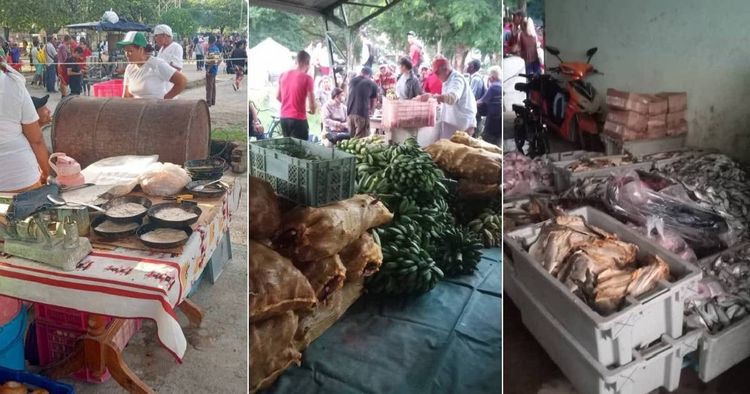
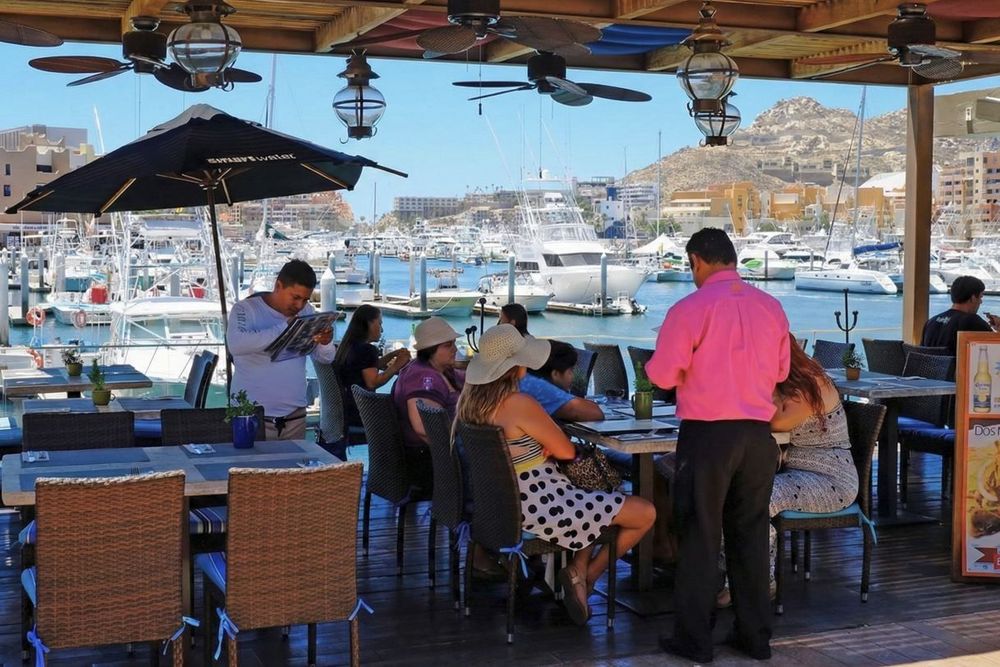
Cards and phone payments are widely accepted at Los Cabos' luxury resorts and upscale Marina restaurants. Cash remains the usual way to pay at street-food stalls and local markets, or to tip a boat captain.
The Digital Economy Law for Digital and Electronic Payments would require businesses of every size to provide ways to accept digital transactions, including credit and debit cards, QR codes and NFC tap-to-pay. That nationwide requirement does not mean artisan markets and beach vendors will immediately have payment terminals.
The Cabo Sun continues to recommend using both cards and cash. Its advice is to put larger expenses, such as hotels, expensive dinners and major excursions, on a credit card for travel points and favorable exchange rates, while carrying a few thousand Mexican pesos for taxis, street food and tips. Smaller bills, including 50- and 100-peso notes, are recommended.
Approval is complete; implementation is still ahead
President Claudia Sheinbaum submitted the legislation to Congress on September 8, 2026, as part of Mexico's 2027 Economic Package. According to El País México and VTEX Noticias, the Chamber of Deputies passed it on October 6 by a vote of 327 to 122. Senate approval followed on October 20, with a 73-34 vote on the bill as a whole and a 72-37 vote on its individual provisions.
The decree then went to the Executive Branch for promulgation and publication in the Diario Oficial de la Federación. That final publication remains pending.
The legislation distinguishes between requiring businesses to offer digital payments and making those payments the only option. Under Article 13, the Secretariat of Finance and Public Credit (SHCP), also known as Hacienda, may designate sectors and activities where only digital or electronic payments will be accepted, VTEX Noticias reports.
Once the law takes effect, Hacienda has 15 business days to identify those sectors. The relevant authorities then have another 15 business days to establish transition rules and mechanisms. A provision allows cash or checks to be used temporarily when technical problems or a loss of connectivity prevent electronic payments.
José Antonio Peña Merino, head of Mexico's Agency for Digital Transformation and Telecommunications and one of the officials implementing the law, has said enforcement will start gradually at highway toll booths and gas stations, according to El País México.
Los Cabos businesses challenge the mandate
Canaco Los Cabos, the local branch of the National Chamber of Commerce, Services and Tourism, has formally opposed the law. Its president, Ignacio Labandeira, says many residents and small-business owners distrust digital banking and value having cash immediately available. The chamber warns that requiring independent vendors to digitize at once would harm them.
The objections involve both transaction privacy and the cost of accepting payments. The Cabo Sun describes bringing informal businesses into the Tax Administration Service (SAT) system as the government's main objective. Local owners fear that tracking their sales will expose already narrow margins to further tax collection.
That concern is distinct from a change in SAT's legal authority. El País México reports that the law gives the agency no additional powers to access transaction information directly, although wider use of digital payments does make transactions more traceable.
Processing charges are another concern for vendors selling inexpensive goods. On a $3 taco purchase, for example, a card fee takes a share of an already small margin. Labandeira warned that banks could respond to mandatory digital acceptance by increasing terminal rental fees and transfer charges.
The Cabo Sun expects the local chamber's resistance to make implementation slow and contested.
A cash-heavy economy with a large digital network
National figures help explain the scale of the transition. El País México reports that about half of Mexico's workers operate informally and roughly eight in 10 low-value transactions use cash.
The INEGI National Survey of Financial Inclusion found that cash accounted for 85.2% of purchases worth up to 500 pesos in 2024, down from 90.1% in 2021. Over the same period, the share paid through electronic or app-based transfers rose from 1.6% to 4.4%.
Mexico also has an extensive digital payment network. According to VTEX Noticias, the Bank of Mexico's SPEI interbank system processed more than 7.3 billion transfers in 2025. The law's expansion of digital payments relies on that infrastructure.
Other chambers seek lower fees and a gradual transition
Business organizations elsewhere have taken different positions from Canaco Los Cabos. The national Confederation of Chambers of Commerce, Services and Tourism (Concanaco), led by Octavio de la Torre, supports the law but wants a gradual transition, El Universal reports.
Concanaco says family businesses represent 95% of the economy and need time to participate. It is also seeking preferential terms and zero-commission spaces for micro and small businesses.
The Mexico City chamber, Canaco CDMX, supports digital payments and financial inclusion but opposes digital-only requirements in selected sectors while bank commissions remain high, according to Forbes México. It has called for a review comparing Mexico's point-of-sale terminal (TPV) commissions with those charged in other OECD countries and in the home countries of banks operating in Mexico.