Beach airports underperform the national market
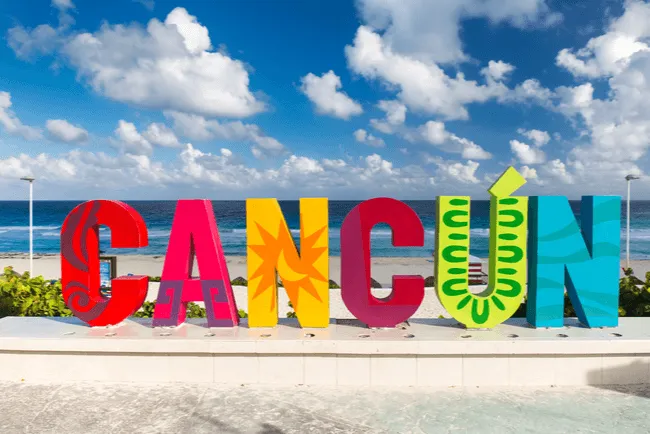
Combined international air arrivals at Cancún, Puerto Vallarta, Los Cabos, Tulum, Mazatlán and Cozumel fell from 9,754,606 to 8,793,623. These counts cover arrivals at airports serving beach destinations, rather than leisure tourists alone.
The six gateways declined faster than Mexico overall, where international air arrivals dropped 6.2%, from 14.52 million to 13.62 million. Mexico City, by contrast, recorded a 2.9% increase in international arrivals, underscoring the uneven performance across destinations.
Mexico's largest international air source market, the United States, supplied 8.85 million arrivals during the eight-month period, down 10.4% from 9.88 million. Canadian arrivals increased 7.1% to approximately 2.02 million.
Cancún leads the losses; Tulum posts the sharpest decline
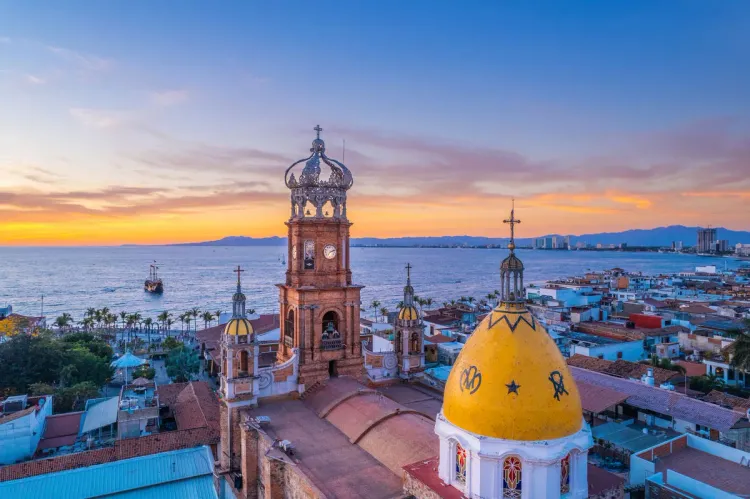
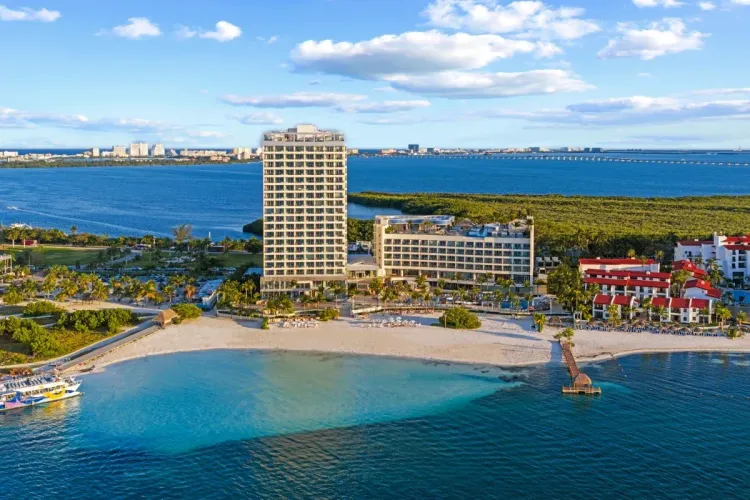
Cancún received 6,066,489 international air arrivals, down from 6,504,743 a year earlier. That 6.7% decline amounted to 438,254 fewer arrivals. Puerto Vallarta lost another 261,839, with its total falling 21.5%, from 1,216,250 to 954,411. Airport operator figures showed that international passenger traffic there continued to weaken in September.
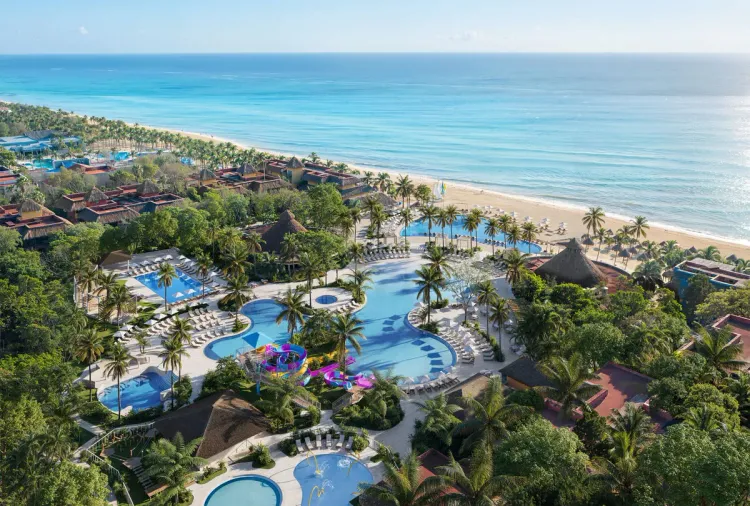
Tulum's arrivals dropped from 235,753 to 129,561, a loss of 106,192. Its airport only began international operations in 2024, making its early expansion and subsequent route adjustments relevant context for the 45% year-over-year decrease. During January–July, average hotel occupancy also fell from 72.67% to 63.69%, a decline of 8.98 percentage points.
Los Cabos recorded 1,425,180 arrivals, down 8.8% from 1,562,921, while Mazatlán's total fell 11.2%, from 98,308 to 87,316. The losses were 137,741 and 10,992 arrivals, respectively.
Cozumel received 130,666 arrivals, compared with 136,631 in 2025, a reduction of 5,965. Its average hotel occupancy slipped from 71.13% to 69.44% during January–July. Cancún's occupancy also weakened over that period, from 76.77% to 74.44%.
For Cozumel, sustaining overnight stays remains a separate challenge from supporting its cruise trade. Cruise passengers contribute to excursions and retail, but their spending differs from that of hotel guests. Mexican hotel industry representatives reported average spending of about $1,292.70 per international air tourist, compared with $87 per cruise excursionist. Diving, marine conservation experiences and longer-stay packages are possible ways to strengthen overnight tourism, but there is no evidence here that they have reversed the decline.
Reduced flight capacity and environmental pressures
Industry representatives cite higher vacation costs, weaker U.S. demand, airline connectivity, sargassum, competition from Caribbean and Central American resorts, and insufficient destination promotion among their concerns. The contribution of each factor to the downturn has not been quantified, and conditions differ by destination.
A July 2026 analysis from Anáhuac University Cancún's Center for Advanced Research in Sustainable Tourism, or STARC, estimated a substantial summer reduction in U.S. airline capacity. As reported by Mexico News Daily, the analysis projected 989,000 fewer seats to Mexican beach destinations in July and August, a 21.5% year-over-year decrease. Cancún, Cozumel and Tulum accounted for an estimated 561,000 of those seats and nearly 3,000 flights.
American Airlines reduced seats to Mexican beach destinations by almost 15%, and United Airlines by nearly 17%. Spirit Airlines' departure from the market left a further gap of approximately 165,000 seats to the Mexican Caribbean.
Quintana Roo also faced record sargassum levels in 2026, TravelPulse reported. The season started about two months early, with seaweed washing ashore on some beaches as early as January. The Riviera Maya Hotel Association and the Riviera Maya Business Coordinating Council requested an emergency declaration to make extraordinary resources available.
Playa del Carmen placed its beaches on a red alert in late April, after Quintana Roo had collected 25,000 metric tons of sargassum. In June, the University of South Florida's Optical Oceanography Laboratory reported a Gulf-wide total of 5 million metric tons.
Visitor growth does not translate into comparable spending gains
The weakness in air travel contrasts with growth in Mexico's broader visitor totals. An analysis by specialists from Universidad Anáhuac and Universidad Iberoamericana, reported by Uno TV on October 14, found that total international visitors increased 6.3% in January–August 2026, while their spending rose only 0.9%.
The specialists estimated that, if the trend continued, Mexico could finish 2026 with between 1 million and 1.1 million fewer air tourists and approximately $1.5 billion in potential unrealized tourism revenue. Those figures were conditional estimates, not year-end results.
In Quintana Roo, the Medical Tourism Commission of Coparmex reported an almost 7% decline in traditional sun-and-beach tourism over the first nine months of 2026, equivalent to roughly 959,000 fewer travelers. Separately, it expected about 25,000 healthcare tourists during the year, with an estimated economic impact of 200 million pesos, or about $10.76 million.
According to the commission, the average cost per medical patient increased from $11,000 to $13,500 over the past year, while still offering savings of up to 80% compared with U.S. costs.
Hotel groups seek coordinated action
Major hospitality associations warned in October that declining air arrivals, rising travel costs and inadequate promotion threatened Mexico's competitiveness. They called for closer cooperation with federal authorities on marketing, infrastructure and financing. Industry representatives also reported 13,168 fewer formal hotel jobs in August 2026 than a year earlier, although that national employment change cannot be attributed entirely to the six beach gateways.
The federal government had announced a promotion initiative earlier in the year. On June 9, Mexico's Secretariat of Tourism, Sectur, presented its five-pillar strategy, "México en el Mundo; turismo que transforma," with an initial federal allocation of 100 million pesos for spending between June and December 2026.
The strategy prioritizes markets including the United States and Canada while seeking to expand promotion in Europe, South America and Asia. Its stated goal is to put Mexico among the world's five most-visited countries by 2030.