Ceremony and political message
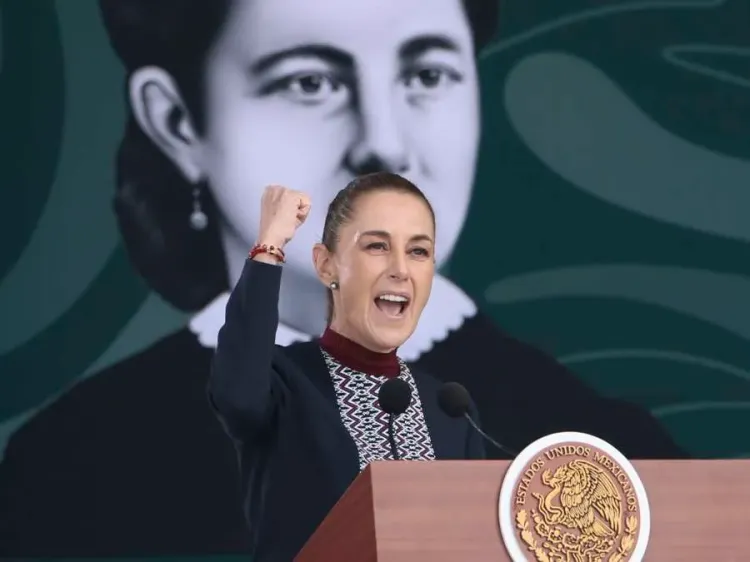
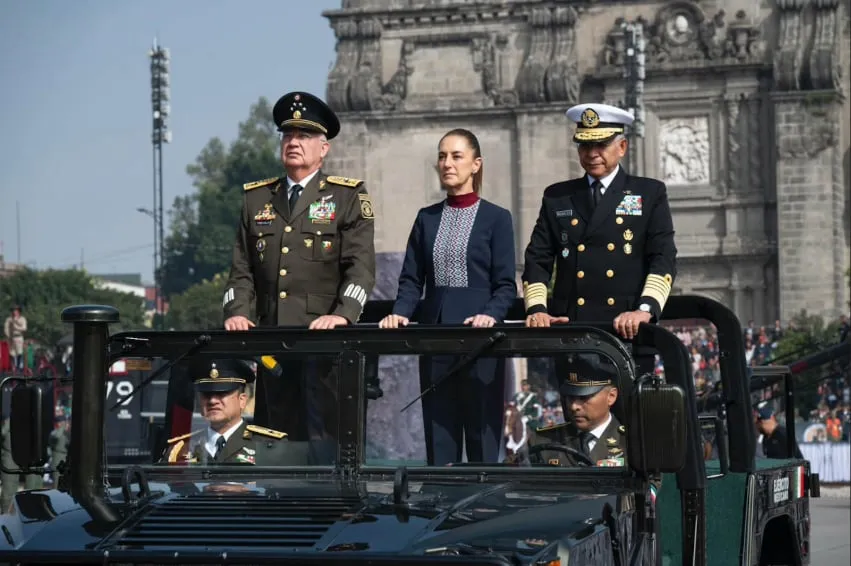
The morning observance began with a ceremonial flag-raising at 10 a.m. local time. Sheinbaum crossed the Zócalo accompanied by Defense Minister General Ricardo Trevilla and Navy Minister Admiral Raymundo Pedro Morales, then joined them at a podium outside the National Palace. A short military tribute preceded the speeches, with the president speaking last.
In her address, Sheinbaum praised the 1917 Constitution, which emerged from the Revolution, as the most advanced social justice charter of its era. She also defended democratic freedoms and reiterated her administration's rejection of privileges for the elite.
EFE reported that Sheinbaum said Mexico would not submit to any foreign power. She pledged that the 2027 midterm elections would be protected against interference and fraud and would set a historic example of respect for voters' choices. Those elections will put 500 federal deputy seats and 19,609 local posts up for contest.
Revolutionary history on parade
Historical performances accompanied the commemoration in the Zócalo. After the speeches, costumed performers cleared the square for the parade preparations. Actors explained the Revolution and the meaning of the celebrations before the floats arrived, while soldaderas performed dances and sang corridos.
The floats traced key episodes in the revolutionary period, beginning with the 1908 Creelman interview, when President Porfirio Díaz signaled openness to democratic liberty after 34 years of dictatorial rule. They also portrayed Madero's 1910 Plan de San Luis, which called for an armed uprising, and the 1913 Plan de Guadalupe, which rejected the coup that followed the Decena Trágica.
Other floats represented the 1914 Aguascalientes Convention, an effort to bring rival revolutionary factions together, and the 1917 Constitution. A contingent of more than 200 women honored the Revolution's adelitas and soldaderas, recognizing their work as combatants, strategists, journalists and nurses.
Defense Ministry figures put participation by the Army, Air Force and National Guard at 2,911 personnel. They were joined by 100 civilian charros, 40 National Military Service members, 22 children and 15 civilians taking part in historical reenactments.
The ministry also listed 486 horses, 14 aircraft, 69 vehicles, 16 vintage vehicles and six motorcycles. Three canine teams and three eagles took part, along with one monumental flag and four war flags.
Military units proceeded through the Centro Histórico and along Paseo de la Reforma toward the Monument to the Revolution. Back in the Zócalo, the Defense Ministry's mariachi band played for the dignitaries. Crowds cheered along the route, and many spectators stayed near the monument afterward to see the military vehicles on display.
Diplomatic meetings before the return
The China trip that preceded the parade was the first by a Mexican president in nine years, according to Proceso. Mexico and China signed memorandums of understanding covering energy, the environment, science and international cooperation, while a health memorandum was still awaiting signature.
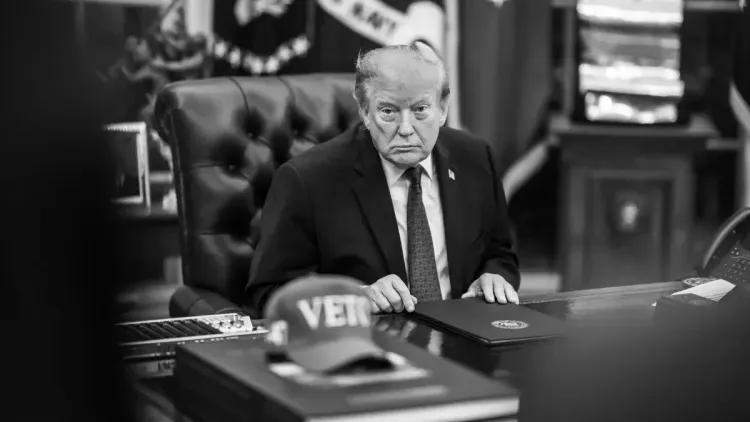
During the APEC meetings in Shenzhen, Sheinbaum also held a roughly 20-minute discussion with U.S. President Donald Trump. Their talks centered on trade, including non-tariff barriers and potential reductions in U.S. tariffs on vehicles, steel and aluminum.
Sheinbaum announced in Shenzhen that Mexico would host the 35th APEC Economic Leaders' Meeting in 2028, after Vietnam hosts the 2027 edition. She also said she and Trump had agreed to another meeting at Mar-a-Lago in Florida, aiming to reach a trade understanding in December.