Financial networks under scrutiny
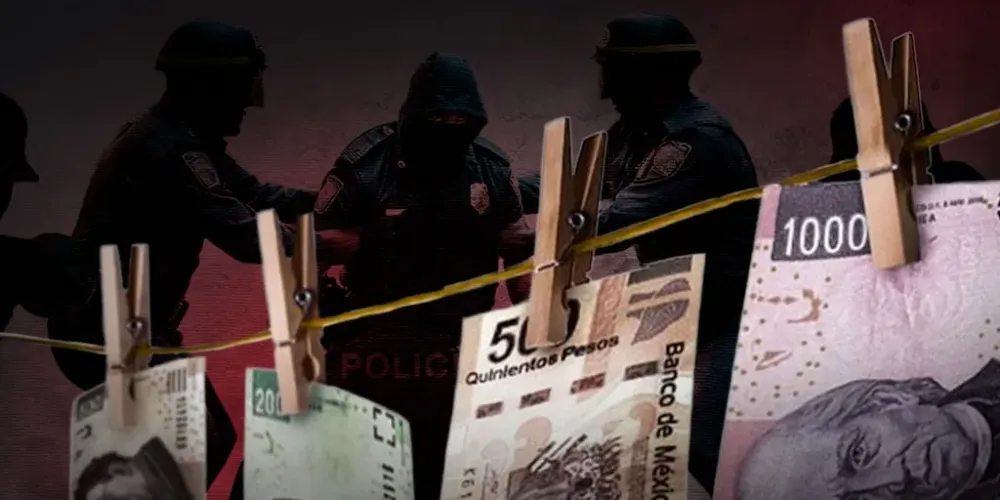
The appeal targets systems that conceal money from drug trafficking, fuel theft and kidnapping. On November 17, the U.S. Consulate in Tijuana circulated the official reward poster, which provides a contact number and access through the Tor network for anonymous, secure communication.
The poster says: "Cartels conceal illegal proceeds through various money-laundering schemes. Help us disrupt their illicit financial practices."
The State Department identifies eight mechanisms it wants information about. According to Periódico Zócalo's account of the November 17, 2026, announcement, these include cartel-linked activity at financial institutions and currency-exchange houses, or casas de cambio; fuel theft; real estate deals; and front companies. The appeal also covers revenue-generating schemes operated by cartel members and sympathizers, along with transfers of money and material to or from the organizations and their operators.
The reward's legal basis stems from the State Department's February 20, 2025, designation of the first cartels as Foreign Terrorist Organizations and Specially Designated Global Terrorists under Executive Order 14157.
Casinos, clothing stores and fuel shipments
The reward announcement comes after more than 10 U.S. actions targeting Mexican cartel finances during 2026. Figures from the Office of Foreign Assets Control (OFAC) show that measures taken since early 2025 have affected more than 600 people connected to the Sinaloa Cartel and more than 250 associated with the Jalisco New Generation Cartel (CJNG).
Casinos were among the businesses targeted in April. Casino Centenario in Nuevo Laredo and Diamante Casino in Tampico faced sanctions over allegations that they laundered funds for the Northeast Cartel. OFAC also sanctioned Ubaldo and Adita Hurtado Olascoaga that month; both are siblings of La Nueva Familia Michoacana leaders.
Authorities identified Adita Hurtado Olascoaga, known as "La Venadita," as the financial operator behind a network involving secondhand clothing stores in Texas' Rio Grande Valley. Clothing purchased in the United States was resold in Mexico, where the cartel collected the laundered funds.
A separate joint operation by Mexico's Financial Intelligence Unit and OFAC led to 23 arrests. That operation targeted a financial structure connected to La Nueva Familia Michoacana and the Pacific Cartel.
In June, the Treasury Department and the Financial Crimes Enforcement Network sanctioned two Mexican citizens and nine companies over stolen-fuel smuggling benefiting the CJNG. Among the companies was Mexico-based hydrocarbon logistics business Jomadi Logistics and Cargo, S.A. de C.V.
The State Department says Jomadi laundered money for the CJNG by falsely classifying fuel cargo as products subject to lower taxes, including lubricant, and submitting counterfeit customs declarations. According to the department, the company moved tens of millions of dollars through the U.S. financial system.
Later sanctions and a San Diego sentence
OFAC's July sanctions covered 55 people and entities associated with the CJNG, including Juan Carlos Valencia González, known as "El Pelón." In September, the Treasury Department targeted nearly 50 Sinaloa Cartel-linked people and entities. Those targets included Ismael Zambada Sicairos, known as "Mayito Flaco," and a network using Tijuana's Magic Casa de Cambio.
On November 15, a federal court in San Diego sentenced Héctor Alejandro Páez-García to 41 months in prison for his role in a network that allegedly laundered approximately $52 million for the Sinaloa Cartel using shell companies and cryptocurrencies. Prosecutors have charged 51 people in the case.
KESQ / City News Service reported that Páez-García, who was extradited from Panama in 2023, held a leading role in the organization and pleaded guilty to conspiracy to commit money laundering. From 2020 to 2023, the operation used San Diego-based shell companies to move cartel funds. Couriers collected drug proceeds across the United States, and the money was deposited into sham accounts at multiple bank branches.
The report also said OFAC sanctioned the organization's leader, Alberto David Benguiat Jimenez, as well as the shell companies operated by Páez-García.