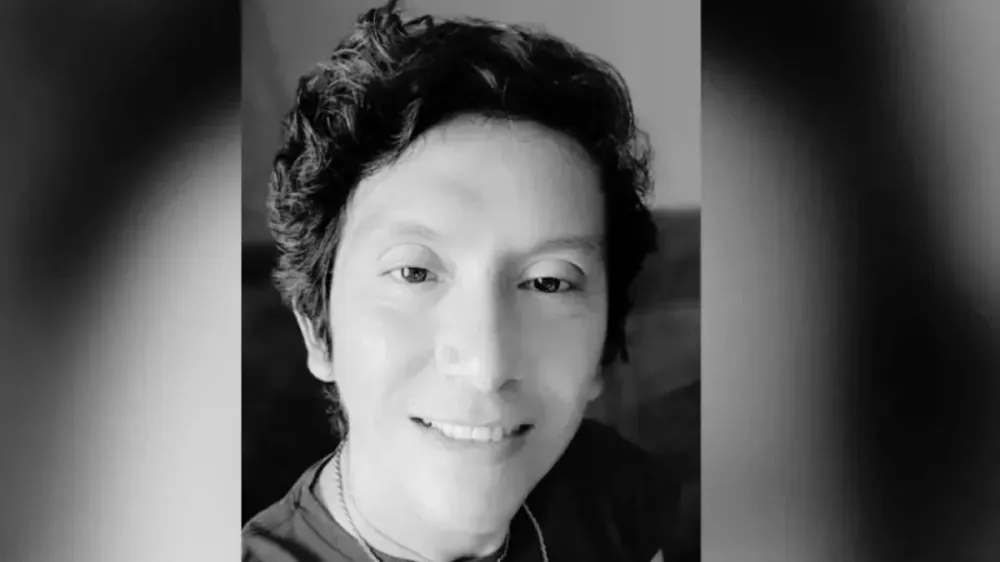
Newsroom calls for a transparent investigation
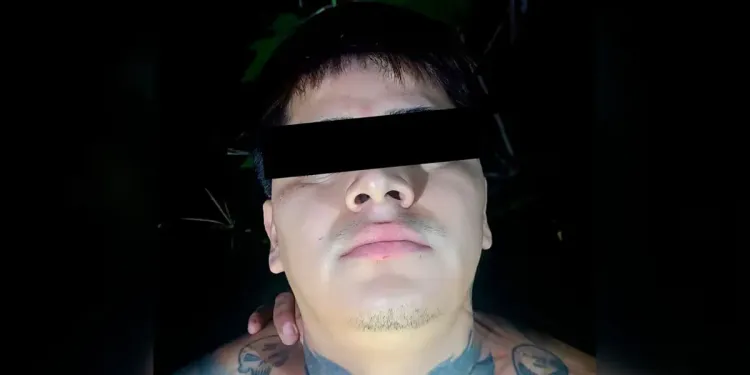
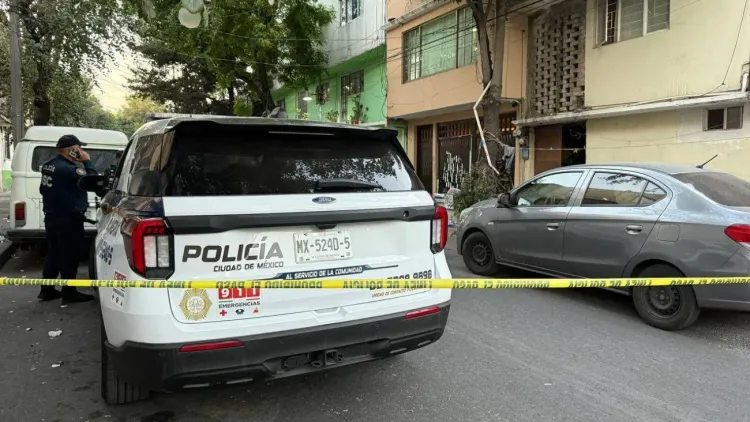
Mexican authorities announced the homicide investigation Sunday, Reuters reported. The cause of Flores' death remains unconfirmed; some local news outlets have reported signs of strangulation.
Flores covered security and social issues as well as missing persons for Enfoque Informativo in the coastal city. According to El País México, he had spent several years at the outlet and recently founded Prensa Rosa, a collective for journalists from the LGBT+ community. Enfoque Informativo director Héctor Nájera and the Federación de Periodistas de Acapulco also mourned him.
In a statement, Enfoque Informativo said the attack "not only takes the life of a colleague, friend, and valuable human being; it constitutes a direct attack on freedom of expression." The outlet demanded a transparent investigation and accountability for those responsible.
"They will not silence us. We will continue to report with the same determination and professional ethics that characterized the work of Eduardo Flores Salado," the outlet said.
Previous killings in Acapulco and Veracruz
AFP described Guerrero, where Acapulco is located, as one of Mexico's most violent states. Article 19 figures dating to 2000 put Guerrero second among Mexican states for documented journalist killings, with 20 cases, El País reported. Veracruz had the highest count, at 34.
Two other journalists were killed in Acapulco in 2025, according to El País: José Carlos González Herrera, director of the digital outlet El Guerrero Opinión Ciudadana, and Ronald Paz Pedro, who administered the Facebook news page Ronald Paz NotiExpress Pedro. Reporters Without Borders (RSF) said González covered local security, politics and citizen demands, while Paz reported on crime.
In Veracruz, Roxana Guzman, director of the crime news outlet Pulso Informativo del Sureste, was abducted in June. Before being taken, she captured video of masked men forcing their way through her front door. The footage spread widely online, and her remains were discovered in July.
The London-based press freedom organization Article 19 has documented 181 such killings since 2000, including six during the first seven months of 2026. Its total includes the 34 cases in Veracruz.
Local reporters account for most victims
RSF's separate tally covers 2006 through 2026: 169 journalists killed in Mexico, averaging eight a year. The organization calls it the longest series of journalist killings in a country at peace during the 21st century. In its ranking last year, Mexico was the second-most dangerous place for journalists, after Gaza.
Of the 169 victims in RSF's tally, 166, or 98%, were local reporters. Organized crime was among the subjects covered by 59% of the victims, and 46% had covered politics. At least 34 showed signs of torture before their deaths.
RSF said five states accounted for half of all crimes against journalists in Mexico since 2006: Veracruz, Oaxaca, Guerrero, Chihuahua and Tamaulipas. In that 20-year period, it identified Veracruz as the most dangerous state, recording at least 32 journalist murders there.
Reuters reported that the killings occur mostly in states where organized crime groups have a strong presence and that investigators rarely solve them. RSF said 99% of the 169 murders in its tally had not been fully solved, leaving fewer than 1% fully resolved. In 168 cases, neither the person who ordered the killing nor the motive had been identified.
The broader record of attacks on the press also shows few cases reaching a sentence. Citing Article 19's 2024 report, El País put that share at about 2%. Between 2010 and 2024, FEADLE, the federal prosecutor's office for crimes against freedom of expression, opened 2,371 investigation files involving attacks on the press. Only 200 concluded, through reparatory agreements, suspensions or, less frequently, convictions.
Protection measures and missing journalists
Some journalists were receiving protection when they were killed. RSF reported that this was the case for 15% of those killed between 2012 and 2026, with measures ranging from CCTV cameras to police escorts.
As of August 31, 2026, Mexico's Federal Protection Mechanism covered 701 journalists: 205 women and 496 men. Including human rights defenders, the program protected 2,047 people, according to RSF.
RSF also recorded at least 43 journalists who disappeared between 2006 and 2026. Of those, 19 were subsequently found: 13 dead and six alive. The other 24 remain missing.
The most recent disappearance cited by RSF was that of Manuel Alejandro Serna, head of the Observatorio Ciudadano de la Costa Grande in Guerrero. He disappeared on June 20, 2026. His death was confirmed on July 3, 2026, with signs of torture.