Homicide investigation opened in Acapulco
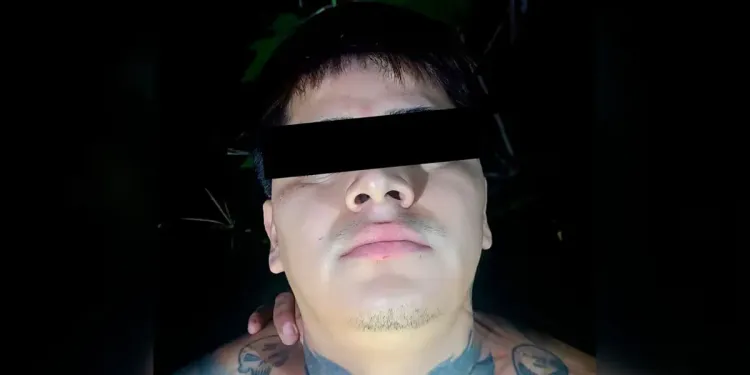
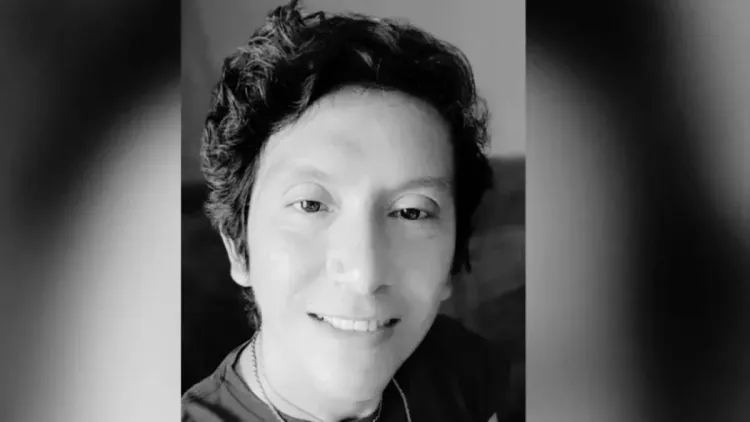
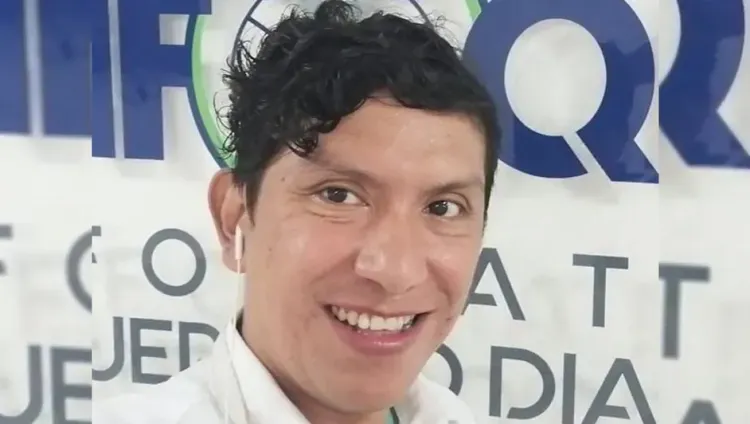
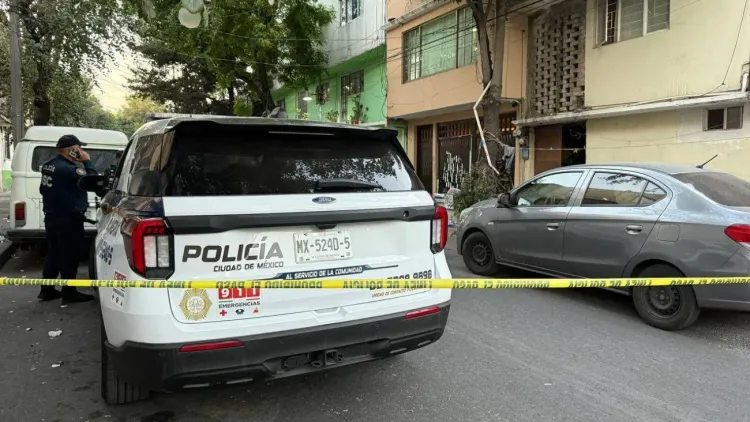
Flores Salado was found dead Saturday night, November 14, 2026, in Canuto Nogueda, a neighborhood near La Sabana on Acapulco's outskirts in Guerrero state. Police reported an injury to his neck consistent with possible strangulation. The Guerrero State Attorney General's Office opened an aggravated homicide investigation, classified as homicidio calificado.
As of reports published November 15 and 16, authorities had announced no arrests and had not publicly established a cause of death or motive. They had also not confirmed whether his journalism was connected to the killing.
A longtime Acapulco print and radio journalist, Flores Salado covered municipal affairs and security for the digital and radio outlet Enfoque Informativo Guerrero. He previously worked for the now-defunct newspaper Novedades de Acapulco. He also helped found Prensa Rosa, a collective of LGBT+ journalists, and belonged to the Federación de Periodistas de Acapulco.
Dozens of his colleagues gathered outside the state attorney general's office Monday, according to CBC News. They urged President Claudia Sheinbaum and local authorities to investigate comprehensively and adopt stronger safeguards for journalists and their families.
Espacio OSC also called for an investigation that considers his reporting. The group said on social media: "We join in condemning the murder of journalist Eduardo Flores Salado in Acapulco, #Guerrero. We demand a prompt and thorough investigation that takes his journalistic work into account, as well as effective protection measures for his family and journalists in the state."
Scrutiny of the federal protection program
Article 19 urged the state-run Protection Mechanism for Human Rights Defenders and Journalists to evaluate threats to reporters' relatives and colleagues and ensure their safety. PBI-Canada, working with PBI-Mexico and Espacio OSC, has also supported calls to strengthen the mechanism.
Established in 2012, the program is intended to protect more than 2,000 people, including about 500 journalists. An Associated Press report the previous Wednesday examined shortcomings in its operation. A joint investigation by Amnesty International and the Committee to Protect Journalists found that eight journalists enrolled in the program were killed between 2017 and 2022.
Propuesta Cívica, a Mexican civil society organization, describes a system constrained by too few staff members, slow bureaucracy and a response that comes after threats emerge. According to the organization, protective measures often fall short, risk evaluations are delayed, and authorities sometimes remove safeguards while threats persist.
Sheinbaum said in 2025 that more funding could be provided if necessary. Reporters Without Borders, however, said the government had made little headway on its press freedom pledges, including a promised review of the protection program.
Deaths, disappearances and displacement
The International Federation of Journalists said Flores Salado was the ninth journalist killed in Mexico in 2026. Its tally before his death included eight media-worker killings, among them that of Álex Serna in Guerrero.
La Jornada reported that Flores Salado's killing was Guerrero's second of a journalist that year and the first during the state's 2026-2027 electoral process. The earlier victim, Manuel Alejandro Moreno Serna, known as Alex Serna, was an independent environmental reporter who used social media to publicize complaints. His remains were discovered June 22 in rural Petatlán, in the Costa Grande region, several days after his abduction in Zihuatanejo.
Proceso's own count puts the number of journalists killed in Guerrero from 1997 through 2026 at 25. The magazine also reported that Leodegario Aguilera, Marco Antonio López and Alan García remain listed as disappeared, while roughly 10 media workers are forcibly displaced.
Nationally, Article 19 has documented 181 journalist killings since 2000, according to CBC News, with many occurring in states where organized crime groups have a strong presence. CBC also cited Reporters Without Borders' ranking of Mexico as the second-most dangerous place for reporters in 2025, after Gaza.
Another journalist killed in Mexico this year was Roxana Berenice Guzmán Ramírez, director of the Veracruz digital outlet Pulso Informativo del Sureste. An armed group abducted her from her home in Nanchital, Veracruz, on June 2. Her remains were confirmed July 3 in Moloacán, where they had been burned.
Eight people were arrested in that case. They included four municipal police officers from Ixhuatlán del Sureste accused of giving logistical support to the criminal group.