Mexico's role in Neue Klasse production
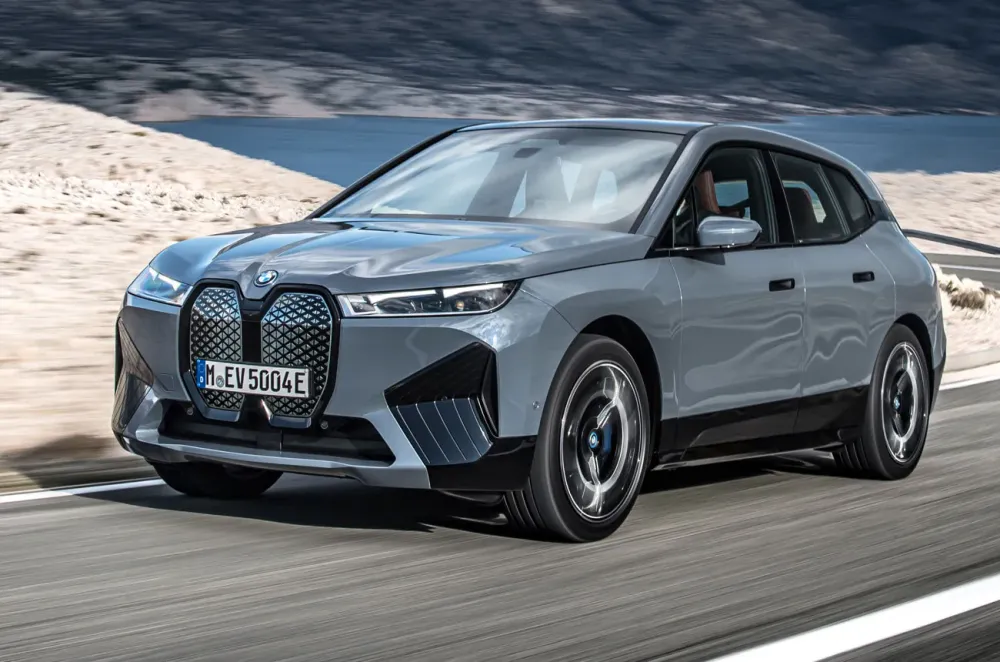
The San Luis Potosí plant is scheduled to start building the iX3 SUV and BMW i3 as early as 2027. Both belong to BMW's new generation of vehicles using Neue Klasse, its sixth-generation vehicle platform. BMW expects the broader strategy to support its leadership in Mexico's luxury vehicle market.
Preparing the factory for Neue Klasse electric vehicles involves an €800 million investment and an expansion covering more than 110,000 square meters, according to July 2026 reporting by BMWBLOG and electrive.com. The expansion was confirmed that month as the plant marked 10 years since its foundation stone was laid.
The investment includes €500 million for a high-voltage battery assembly facility covering more than 80,000 square meters. Its sixth-generation packs will use cylindrical cells with about 20% greater energy density than the preceding Gen5 prismatic cells.
San Luis Potosí is among four BMW Group factories selected worldwide to produce Neue Klasse vehicles, electrive.com reported. The others are in Debrecen, Hungary; Munich, Germany; and Shenyang, China. The Mexican plant is also one of five sites designated to assemble BMW's sixth-generation high-voltage batteries.
The factory's export role extends beyond North America. In July 2026, plant CEO Klaus von Moltke told El Economista that investment at the site had reached close to US$2 billion over the preceding decade. About 42% of production goes to the United States, while up to 40% of output for certain models has been channeled to China.
Sales performance and electric vehicle customers
Camargo reported a 4% decline in BMW's sales volume, describing its sales strategy as resilient. BMW accounts for roughly one in three luxury vehicles sold in Mexico; including MINI brings the share to 37%.
The latest outlook follows growth in 2025. BMW Group Mexico reported 18,950 vehicle deliveries that year, a 9.3% increase from 2024. BMW contributed 15,043 deliveries, up 6.9%, and MINI delivered 3,907, up 19.7%. The company said BMW represented one in three premium vehicles delivered in Mexico in 2025, even as the premium segment shrank 11.8%.
Combined fully electric deliveries for BMW and MINI reached a record 1,786 in 2025, an increase of 52.1%. BMW's total rose 31% to 1,010 battery-electric vehicles, while MINI's increased 92% to 776.
BMW Group Mexico said it has supplied more than 43,000 chargers for home or workplace use to electric and plug-in hybrid customers in the country. BMW Financial Services financed half of the fully electric BMW and MINI vehicles sold in Mexico in 2025.
Competition, tariffs and demand
BMW's electrification push comes as Chinese automakers bring new technologies to Mexico. Maru Escobedo, CEO of BMW Latin America, said that amid this competition, "we have been hesitant to showcase all the technology the BMW Group has possessed for years and everything that is yet to come."
Chinese brands captured 17% of Mexico's new vehicle sales in the first half of 2026, compared with 14% a year earlier and 7% in 2022. A Mexican Association of Automobile Distributors report obtained by Reuters in July put their first-half sales at 137,525 vehicles, up from 107,712 a year earlier.
Those gains followed Mexico's introduction of a 50% tariff in January 2026 on vehicle imports from China and other Asian countries. The deputy foreign trade minister told Reuters that the sales figures were misleading because automakers had brought in inventory ahead of the tariffs. He cited a 43% drop in Chinese-brand vehicle imports over the first five months of the year.
Camargo also pointed to uncertainty affecting buyers. "People are postponing some purchases amid macroeconomic uncertainty and uncertainty surrounding the free trade agreement, but the sector will regain momentum," he said.
Asked about potential tariff and tax changes, BMW executives said they were focused on keeping the value chain stable and safeguarding profitability for both the company and its dealers.