Shelter advice and travel disruptions
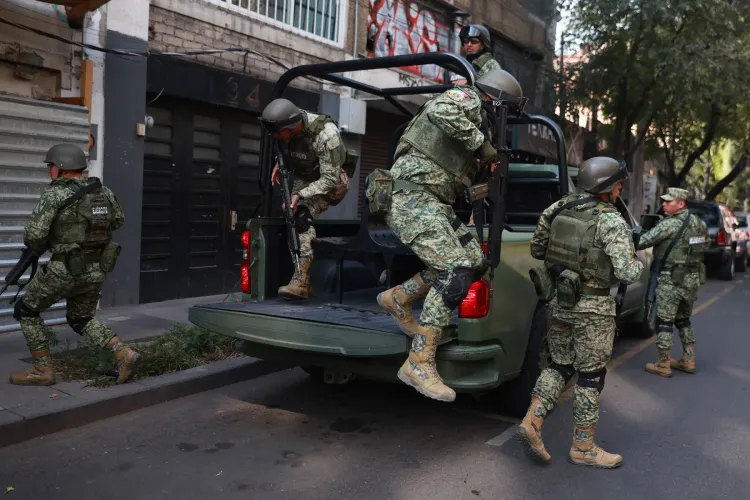
The State Department alert warned of possible further violence across Sinaloa as security operations continued. The consulate urged Americans in the affected areas to limit nonessential travel and avoid Federal Highway 15 between Los Mochis and Culiacan. Local authorities had issued similar instructions to residents.
The notice also advised Americans to avoid crowds and locations where law enforcement officers were operating, remain aware of their surroundings and follow local authorities' directions. It recommended monitoring local media and official notices for updates, while letting family and friends know their location and safety status through calls, texts or social media.
Air and bus services could be disrupted, the consulate cautioned. People traveling within or through the region were advised to confirm flight schedules directly with their airlines.
Sinaloa was already subject to the State Department's Level 4: Do Not Travel advisory, its highest warning level.
Eight detained in Guasave operation
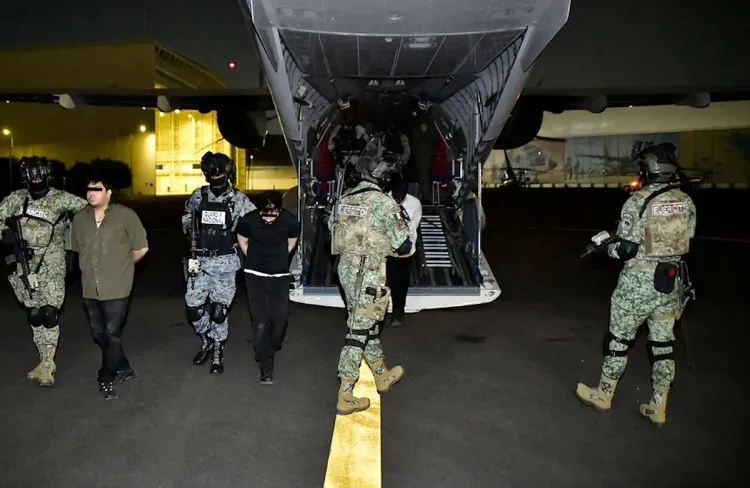
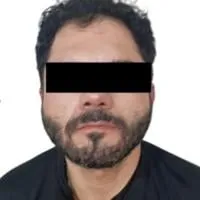
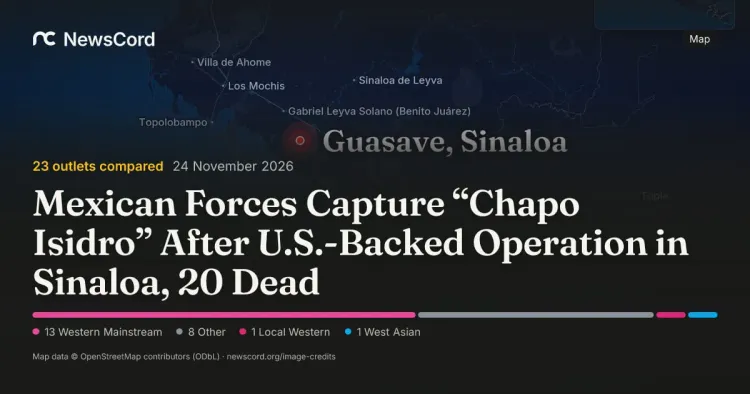
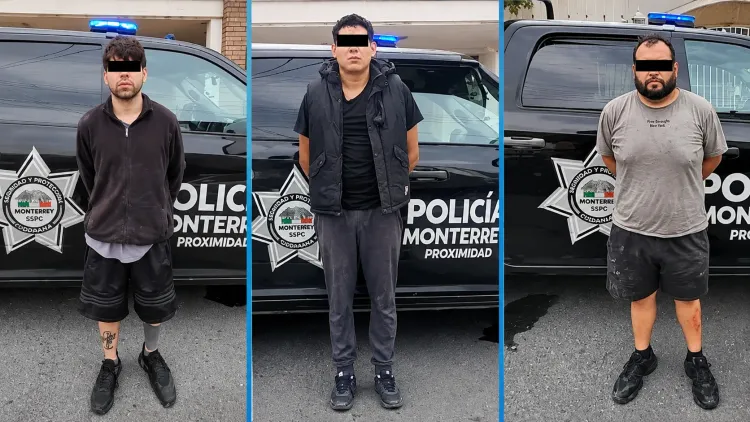
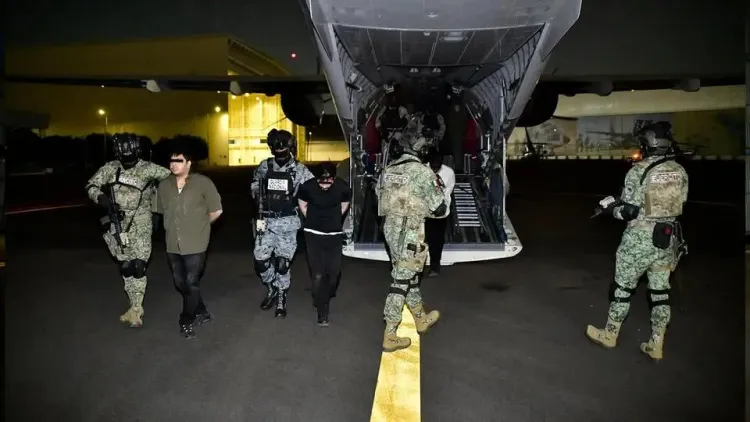
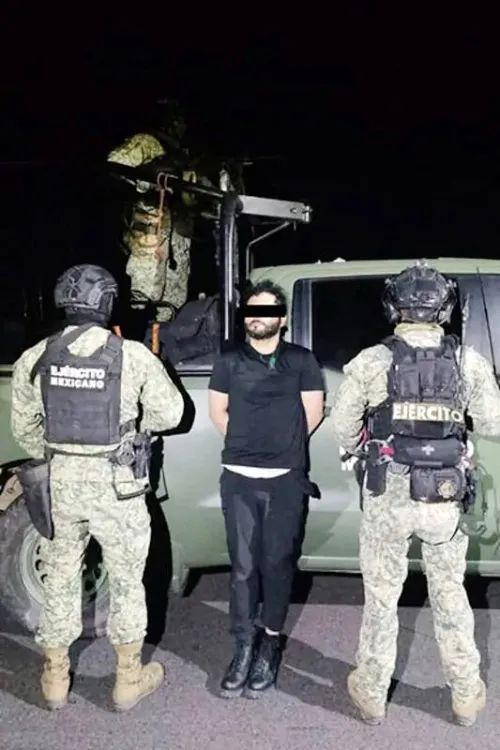
Meza-Flores was captured in Guasave on November 20, 2026, during an operation by Mexican military and National Guard special forces coordinated with US intelligence. Authorities said eight people were detained, including his alleged second-in-command, Germán Rolando Gálvez Meza, known as "El Serafín," and a financial operator. Meza-Flores was then flown to Mexico City to appear before prosecutors.
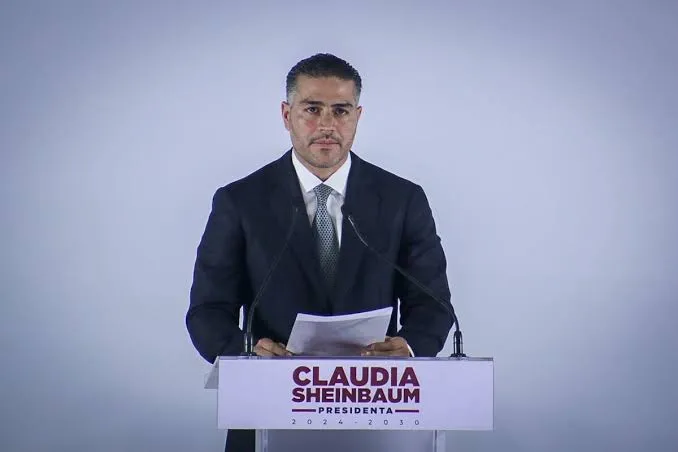
In a report issued early on November 21, Mexico's government credited intelligence from the Trump administration with helping authorities capture Meza-Flores. It disclosed little about how the two countries coordinated the arrest.
Mexico's Defense Ministry said on November 21 that at least 11 people died in the operation and subsequent clashes. The dead included seven suspected cartel gunmen and four Mexican soldiers.
Meza-Flores' role and US charges
Known as "El Chapo Isidro," Meza-Flores is identified by US and Mexican authorities as a leader of both the Beltrán Leyva criminal organization and his own Meza-Flores Transnational Criminal Organization. His group is also known as Los Mazatlecos or the Guasave Cartel. Authorities describe him as a key ally of the Sinaloa Cartel's "Los Mayos" faction.
Meza-Flores was on the FBI's Ten Most Wanted Fugitives list. The United States had offered up to $5 million for information leading to his arrest or conviction.
The US Justice Department said a federal grand jury in the District of Columbia returned a second superseding indictment against him on September 25, 2026. Meza-Flores, 44, of Sonora, Mexico, is charged with conspiracy to provide material support to a terrorist organization, narcoterrorism, conducting a continuing criminal enterprise, money laundering and firearms-related offenses. A conviction could bring the death penalty or a mandatory life sentence.
The US Secretary of State designated the Cartel de Sinaloa a Foreign Terrorist Organization under Section 219 of the Immigration and Nationality Act on February 20, 2025. It was also designated a Specially Designated Global Terrorist under Executive Order 13224.
Questions about the leadership-targeting strategy
The arrest follows other operations against cartel leaders under Mexican President Claudia Sheinbaum. Among those targeted was Jalisco New Generation Cartel leader Nemesio Oseguera Cervantes, known as "El Mencho," whom the military killed in February 2026.
Mexican security analyst David Saucedo described Meza-Flores' capture as an example of the US-Mexico "kingpin strategy," which targets senior cartel leaders. He cautioned that removing those leaders may not dismantle their organization: although its top two figures had been arrested, he said, its hit men, street-level dealers, businesses, and political and police connections remained intact. Experts warn that such arrests can set off further violent struggles for control.
Emergency assistance
For urgent help in Mexico, the consulate directed Americans to call 911 or contact the nearest US embassy or consulate.
The US Embassy and Consulates can be reached from within Mexico at (55) 2579 2000. Callers in the United States can use 011 52 55 2579 2000 or +1-301-985-8843. The State Department's Consular Affairs division also provides assistance at +1-888-407-4747 or +1-202-501-4444.