Fatal shot traced to helicopter
According to Govea Orozco, forensic and ballistics testing linked the 7.62mm projectile to the State Guard's weapons registry. Investigators found that the bullet traveled downward through the pickup's bodywork before lodging in Aranza's skull.
The family tried to identify themselves as civilians before the officers fired. Authorities say the helicopter's officers believed they were facing an attack from the ground amid the roadblocks.
Aranza's mother, Claudia Pardo García, was wounded as she shielded her daughter with her body. The girl's 13-year-old brother was also wounded.
Three officers under investigation
The helicopter carried four active State Guard members: a pilot and three police officers equipped with regulation weapons. None had been detained by the prosecutor's office as of November 6.
Tamaulipas Public Security Secretary Carlos Arturo Pancardo Escudero confirmed that the three officers are under investigation. He said they continue to serve on active duty while prosecutors determine their situation.
A special unit for women and children is handling the case, and officials have pledged justice for Aranza's family. The state's Public Security Secretariat has also opened an internal affairs investigation.
Govea Orozco rejected Pancardo's earlier characterization of Aranza's death as collateral damage.
Mexico's Navy separately denied that its helicopter had fired. The Navy said the aircraft was carrying troops and had not participated in the confrontations.
Detention triggered roadblocks and clashes
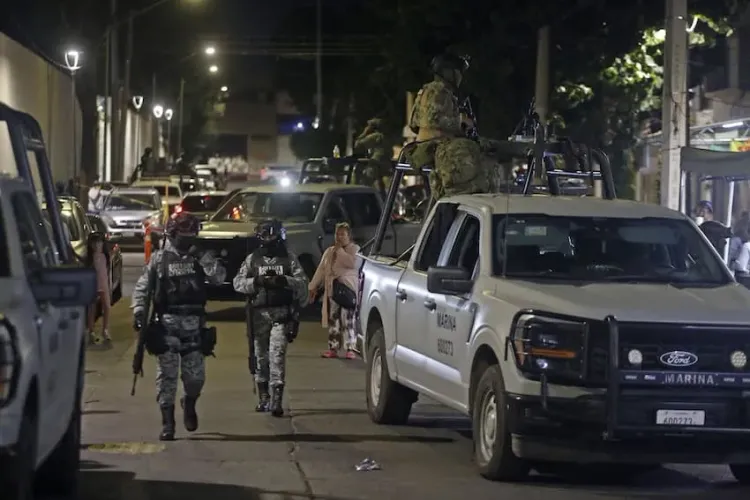
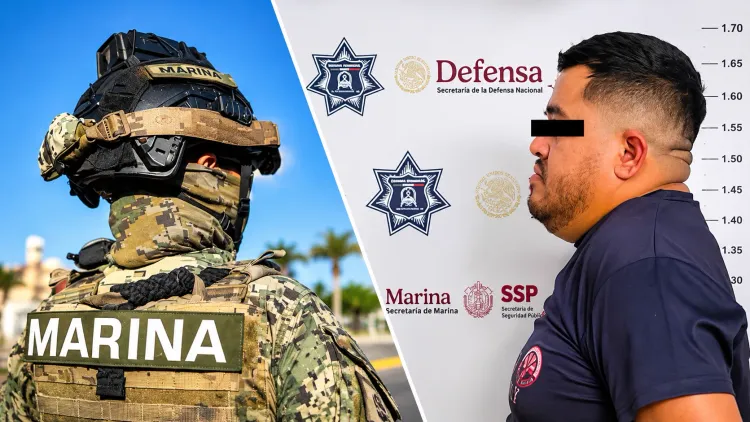
The unrest began around 11:00 a.m. on October 29, 2026, after federal forces detained Axel Alfredo Cárdenas Rodríguez in Matamoros. Mexico's Defense Ministry described him as second-in-command of the Gulf Cartel's Cyclones faction and a nephew of imprisoned former Gulf Cartel leader Osiel Cárdenas Guillén. The detention set off roadblocks and clashes across Tamaulipas.
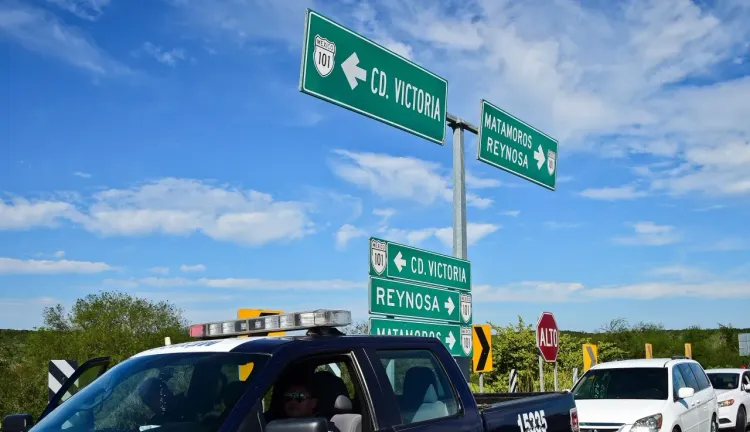
Six people died in the violence in Matamoros and nearby areas. Governor Américo Villarreal said five of those deaths occurred in two traffic accidents involving cars that struck vehicles set ablaze to block roads. Authorities sent about 450 soldiers and two armed helicopters to the region.
In Río Bravo, the spreading unrest prompted business closures and the cancellation of afternoon school classes. Four international bridges linking the region with Texas also closed temporarily.