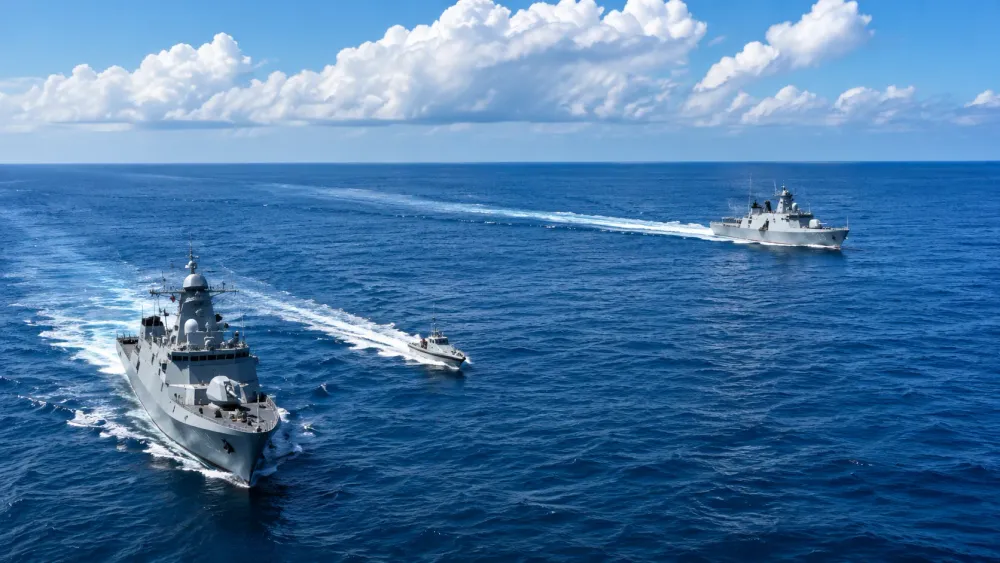
Pacific seizures and intelligence operations
Semar released the totals on November 2, and they were reported again on November 3 as authorities described intelligence operations tracing maritime drug routes from Central and South America. The dose count is an approximate equivalent of the cocaine confiscated; the peso figure represents the agency's estimate of losses to criminal organizations.
Earlier operations included an August 15, 2026 seizure of a small vessel carrying roughly 1.9 tons of suspected cocaine, during which two people were detained. On August 17, the Security Cabinet reported another seizure: more than 1.6 tons of suspected cocaine packed in 54 bundles, found about 329 kilometers southwest of Lázaro Cárdenas.
Semar described vessel interceptions as one part of a broader effort to identify the people who arrange shipments, receive boats and distribute drugs. That work combines intelligence gathering with maritime surveillance and monitoring. The National Defense Secretariat, National Guard, Secretariat of Security and Citizen Protection, and state authorities also participate.
Investigators trace a route through Michoacán
A stretch of coast between Faro de Bucerías and Huahua, in Michoacán's Aquila municipality, has been a focus of naval investigations. According to naval intelligence, a criminal organization received cocaine there from Central and South America before moving it to destinations elsewhere in Mexico and abroad.
Authorities said their work on these corridors revealed how shipments were received and distributed, as well as parts of the organization behind them. Federal and state authorities identified Los Pichilinguillos as a cell linked to the criminal alliance Cárteles Unidos and said it operated an international maritime cocaine-trafficking network in Aquila and neighboring Coahuayana.
Official information reported on October 29, 2026 described the inland route: after cocaine reached shore, the cell arranged its safe movement from Aquila to Apatzingán in the Tierra Caliente region. Shipments then continued to central Mexico and the borders with the United States.
Three alleged leaders detained
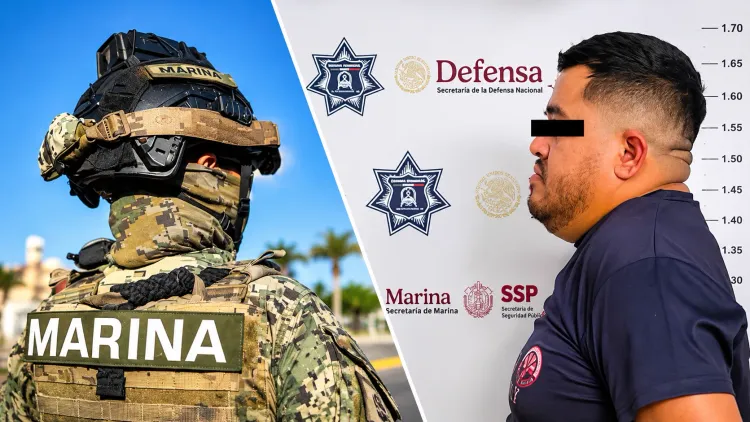
A joint federal and state operation in Coahuayana on October 29, 2026 led to the arrests of Bernardo "N," known as Nando; Leopoldo Fabián "N," known as Negrito; and Leobardo "N," known as Lioba. The Michoacán Attorney General's Office linked them to Los Pichilinguillos. The federal Security Cabinet identified the three as the Pulido Lombera brothers, a family clan that authorities described as the cell's leadership.
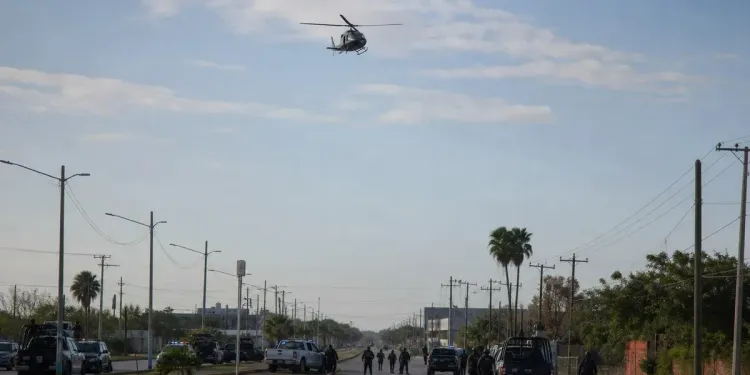
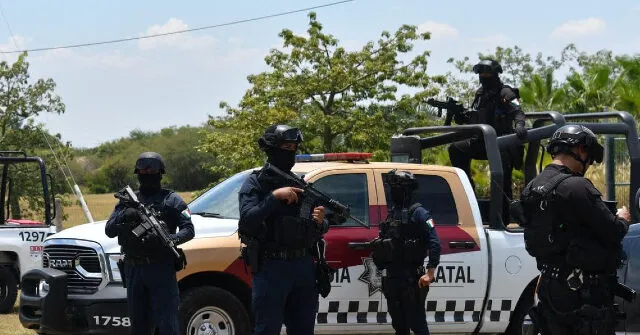
The operation involved three search warrants for properties in Coahuayana, according to the joint Security Cabinet statement. Participating agencies included the Navy, the Secretariat of Security and Citizen Protection, the federal Attorney General's Office, the Michoacán Attorney General's Office and the Guardia Civil.
Authorities attributed different responsibilities to each brother. Bernardo allegedly managed security logistics and the deployment of the group's armed force along the coast. Leobardo was described as its strategic liaison and administrator, overseeing extortion networks aimed mainly at banana producers, businesspeople and merchants.
Leopoldo allegedly handled maritime trafficking logistics. Authorities said he organized the reception of cocaine shipments and supervised speedboats arriving from Central and South America.
Investigations extend beyond drug shipments
The Michoacán Attorney General's Office said Bernardo and Leopoldo Fabián were also under investigation for alleged involvement in a May 28 armed attack in Colola, Aquila, that killed three people and injured a woman.
Both men faced additional arrest warrants for aggravated kidnapping and forced disappearance. Leobardo was wanted on four warrants related to those crimes. Authorities are also investigating the detainees' alleged roles in controlling international drug-trafficking corridors; their responsibility remains subject to the judicial process.
Continued monitoring and legal proceedings
Semar said sustained monitoring at sea is necessary to spot suspicious activity and disrupt trafficking networks. The coordinated operations aim to prevent criminal groups from preserving their operational structures and using Mexico's coastline to receive and move cocaine.
Preventing those networks from rebuilding routes and distribution systems remains a challenge. The Mexican Pacific's maritime connections to producing countries and transit points in Latin America make it a strategic area for cocaine-trafficking investigations. Authorities intend to continue naval operations and identify other possible network members, with the stated goal of weakening the groups' logistics and finances rather than treating seizures as isolated results.
Following their arrests, the three detainees were transferred to Mexico City and placed in the custody of the relevant Public Ministry, which will determine their legal status.