Resistance delays removal from Guasave
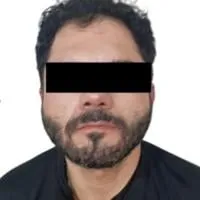
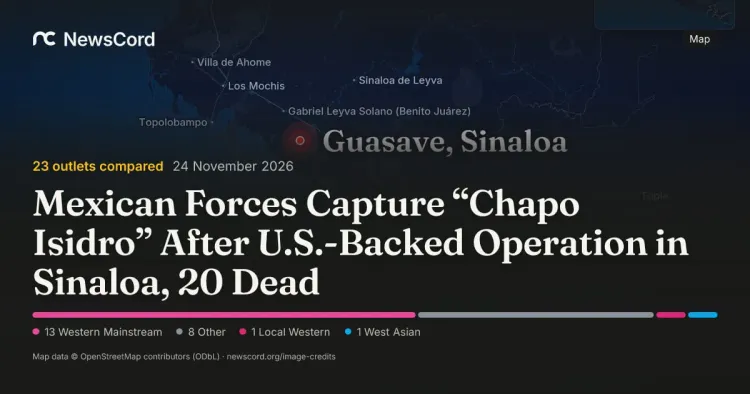
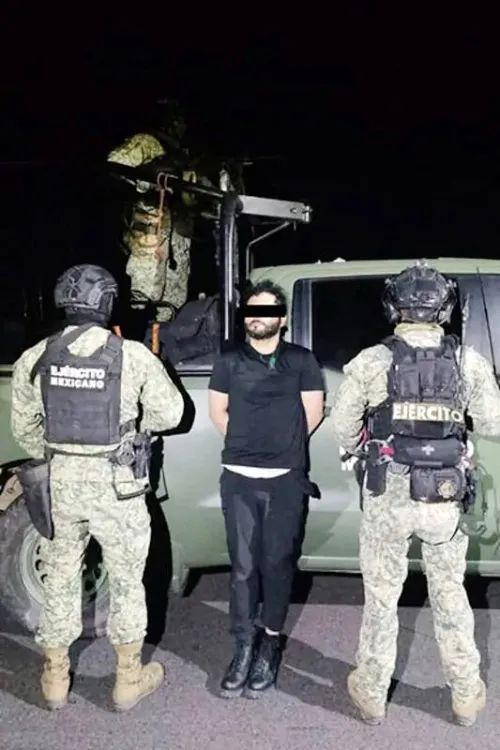
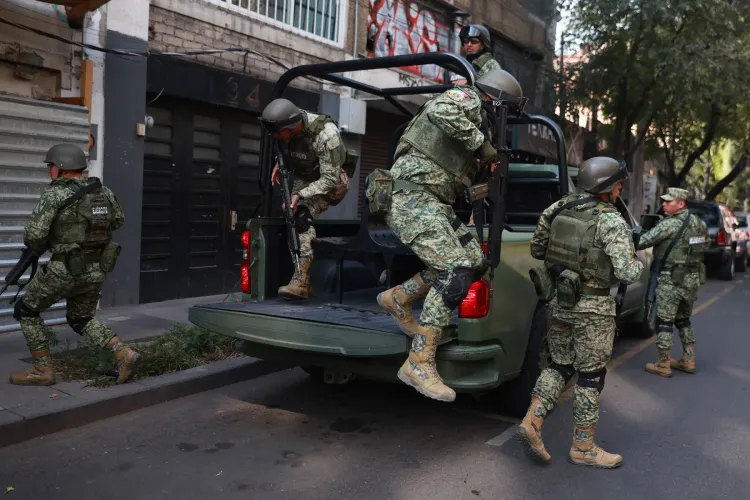
Meza-Flores and two other alleged leaders were detained at a residence in Guasave, according to Mexico's National Defense Secretariat. In its account on X, the secretariat said military intelligence personnel located the suspects before troops approached covertly and surrounded the home to prevent an escape and keep armed reinforcements from intervening.
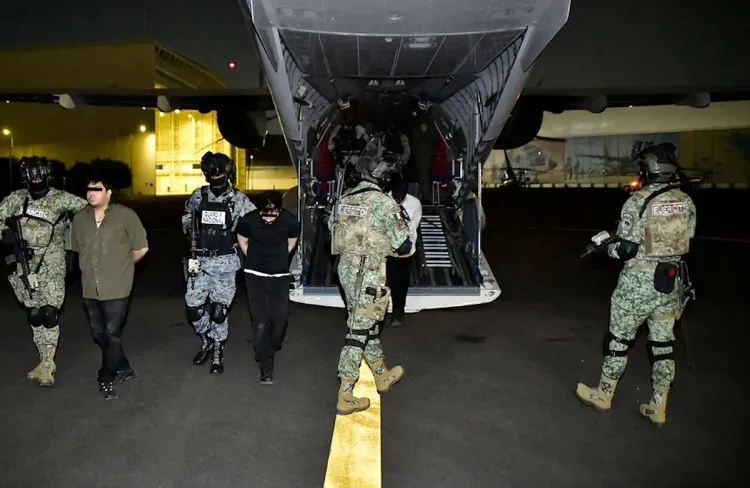
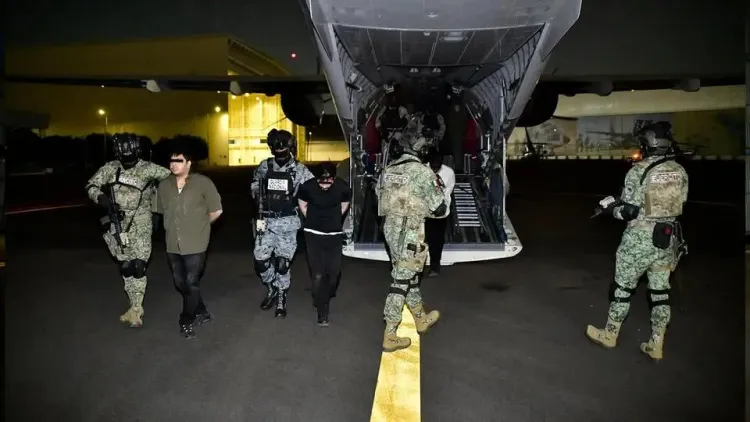
Troops encountered gunfire and explosive attacks before entering the residence and arresting the three suspects, the secretariat said. Authorities' footage shows heavily armed soldiers in camouflage leading a man believed to be Meza-Flores through a darkened house and placing him in a truck.
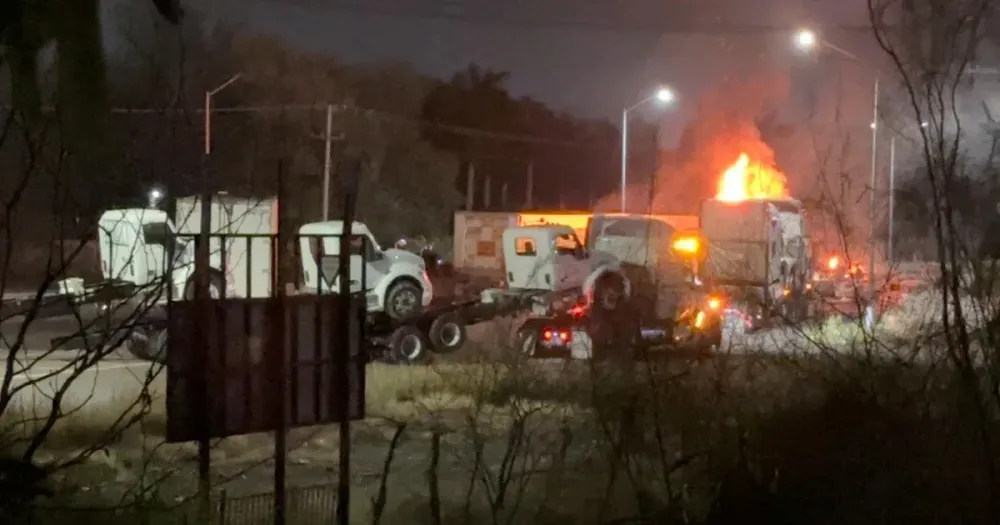
Intense cartel resistance prevented army and National Guard special forces from taking Meza-Flores out of Guasave until 4 a.m. Saturday, according to a federal official cited in an Associated Press report carried by NPR. The official, who spoke anonymously, said the resistance included at least 10 roadblocks made with burning vehicles. All three detainees were taken to Mexico City and placed in custody.
Images from Guasave appeared to capture people screaming and seeking cover when gunfire broke out during a baseball game. Other photographs and videos showed vehicles on fire.
A wanted suspect and his alleged network
The FBI identifies Meza-Flores as the suspected head of the Meza-Flores Transnational Criminal Organization, a heavily armed drug-trafficking group based in Sinaloa. According to his U.S. State Department Narcotics Rewards Program profile, he was born June 19, 1982, and was 44 when captured. He joined the FBI's Ten Most Wanted Fugitives list on February 4, 2025.
The FBI says the organization has handled the possession, distribution and importation into the United States of heroin, methamphetamine, cocaine, fentanyl and marijuana. Its activities have also included control over drug production, transportation and distribution within Mexico.
The State Department describes a transportation network that used aircraft, maritime vessels and tractor-trailers to bring narcotics into Mexico and move them onward to the United States. It also alleges that the organization was responsible for numerous deaths among Sinaloa state police, Mexican military personnel, other law enforcement officials and rival criminal groups.
Indictments against Meza-Flores date to 2012 and 2019. He faces several drug-trafficking charges as well as allegations involving firearm use and possession. The FBI had warned that he was armed and dangerous. On September 14, 2017, the State Department first offered up to $5 million for information leading to his arrest and/or conviction.
NPR reported that Meza-Flores was a key ally of "Los Mayos," a Sinaloa Cartel faction battling a rival group for control of the state, and that his capture is viewed as a setback for that faction. The Trump administration designated the Sinaloa Cartel a foreign terrorist organization in 2025.
U.S. intelligence and Mexico's security campaign
Mexico's government said early Saturday that the Trump administration supplied intelligence that assisted the raid, but disclosed little about the coordination. The U.S. Drug Enforcement Administration said the capture "delivers a significant blow" to the organization and highlighted the importance of sharing intelligence. In its statement, the agency described fentanyl as "a designated weapon of mass destruction."
The arrest comes amid pressure from President Trump for Mexican President Claudia Sheinbaum to step up action against organized crime. Her administration has taken a more aggressive approach to cartel groups than its predecessors, while homicides have declined sharply over her first two years in office.
Mexican forces have killed or captured several prominent cartel figures, including "El Mencho," who was considered the country's most powerful criminal boss. His killing in February was also followed by widespread violence and vehicle burnings.
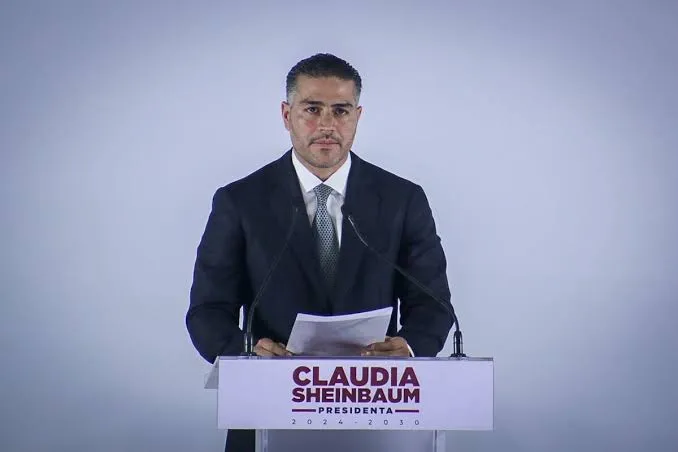
Security Secretary Omar García Harfuch said Saturday morning on X that security personnel would remain stationed across Sinaloa to protect residents. "These detentions represent an important step toward pacifying Sinaloa," he wrote.