Caldo de queso — Sonora's warming cheese soup
From Hermosillo in the northern state of Sonora comes this simple yet deeply satisfying cheese soup, sometimes called caldo de papa or caldo de queso y papa. The dish reflects the region's cattle-ranching heritage and the freezing winters that blanket its highlands.
The broth combines tomato, onion, garlic and chiles, creating a base for cubes of cheese that behave uniquely when heated. Traditionally made with queso de rancho sonorense, though queso fresco or queso panela serve as more accessible alternatives, these cheeses soften in the hot liquid without melting completely, maintaining their shape while becoming tender. Depending on the recipe, potato, zucchini, corn, cilantro and crispy fried tortilla strips add layers of texture and flavor.
Sopa de milpa — nourishment from ancient fields
The milpa represents one of Mesoamerica's most enduring agricultural innovations. This pre-Hispanic farming system, practiced for between 3,500 and 7,000 years, centers on maize cultivation alongside complementary crops. The name itself comes from the Nahuatl words milli (planted plot) and pan (upon).
The system relies on companion planting: corn stalks provide support for climbing beans, beans enrich the soil with nitrogen to nourish the corn and squash, while broad squash leaves shade the ground to retain moisture and suppress weeds. This symbiotic relationship sustained Indigenous communities across central Mexico, particularly in present-day Puebla, Tlaxcala, Mexico City and Hidalgo.
Farmers traditionally prepared a broth incorporating all elements of the milpa — corn kernels, onion, squash blossoms and chiles. After Spanish colonization introduced new ingredients and culinary techniques, the soup evolved to include chicken broth as its base. Today, sopa de milpa remains an accessible, balanced meal that connects modern diners to centuries of agricultural wisdom.
Morisqueta — Michoacán's answer to paella
In Michoacán's Tierra Caliente region, morisqueta holds a cherished place at family tables. This humble dish features fluffy white rice served alongside pot-style beans and crowned with a vibrant red sauce made from tomatoes, chili peppers, onion and garlic. Some families add queso fresco, pork, dried meat or eggs to make it heartier.
The dish's name hints at Mexico's complex colonial history. Scholars suggest it derives from Moros (Moors) and Cristianos (Christians), reflecting the cultural fusion that occurred after Spanish conquest. Rice, introduced to Spain by Moorish settlers, combined with beans grown in pre-Hispanic Mexico to create something entirely new.
Birria — Jalisco's celebrated stew
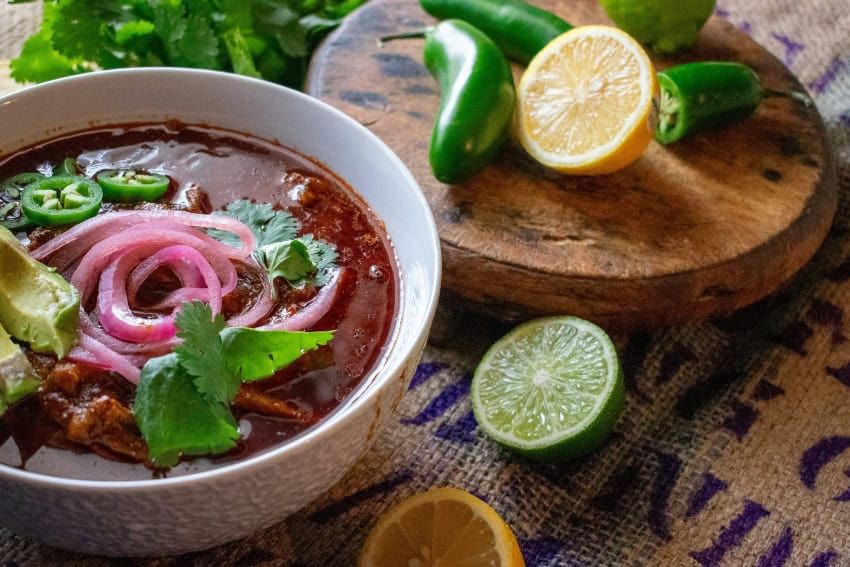
While birria tacos have captured international attention, authentic birria from Jalisco remains primarily a soup rather than a taco filling. The dish carries an ironic history embedded in its name. In 16th-century Spanish, birria meant something worthless or of no value. When Spanish colonizers introduced goats to western Mexico and found the meat too tough for their palates, they dismissed it as birria — junk food beneath their standards — and gave the animals to Indigenous communities.
Indigenous cooks in the town of Cocula transformed this colonial castoff during the 1600s. They marinated the tough goat meat in a paste of guajillo and ancho chiles, garlic, vinegar and spices including cumin, oregano, cloves, pepper and cinnamon. Wrapped in maguey leaves and buried in underground earth ovens, the meat slow-roasted for hours until it became tender and richly flavored.
By the 17th and 18th centuries, birria had become central to celebrations throughout Jalisco. A single goat could feed a crowd, while the spiced broth stretched the meal even further, making it ideal for weddings, baptisms, religious festivals and Sunday gatherings. Today, the traditional preparation remains largely unchanged. The stew arrives in a deep bowl filled with savory consommé, accompanied by warm tortillas and garnished with cilantro, onion and fresh lime juice.
Huevos motuleños — Yucatán's layered breakfast
This iconic breakfast originated in Motul, a town in north-central Yucatán. According to historical accounts, chef Jorge Siqueff created the dish in 1921 during a visit by Yucatán Governor Felipe Carrillo Puerto, who brought distinguished guests including muralist Diego Rivera, writer José Vasconcelos, Jaime Torres Bodet and Carlos Pellicer.
The preparation builds flavors in layers: a fried corn tortilla forms the base, topped with refried black beans and fried eggs, then covered with a warm tomato sauce enriched with onion, diced ham and peas. Queso fresco and fried plantain complete the dish.
Each component tells part of Yucatán's culinary story — plantains reflect Caribbean influences, corn represents pre-Hispanic traditions, while eggs and pork arrived with Spanish colonizers. Together, they create a breakfast that embodies centuries of cultural exchange.
Sopa de lentejas — southern Mexico's lentil stew
Though lentils originated in the Middle East, they found a permanent home in Mexican kitchens during the colonial period. In southern states including Chiapas, Tabasco and Oaxaca, cooks prepare lentils in a tomato-based broth seasoned with onion and garlic, often adding carrots, potatoes, chili peppers, epazote or cilantro.
The soup gains additional depth when enriched with bacon, smoked pork chop or chorizo, infusing the warm liquid with smoky, savory notes. In Oaxaca specifically, cooks add a distinctive garnish of fruit — sliced plantain and pineapple — creating a balance of savory and sweet that reflects the region's unique culinary identity.