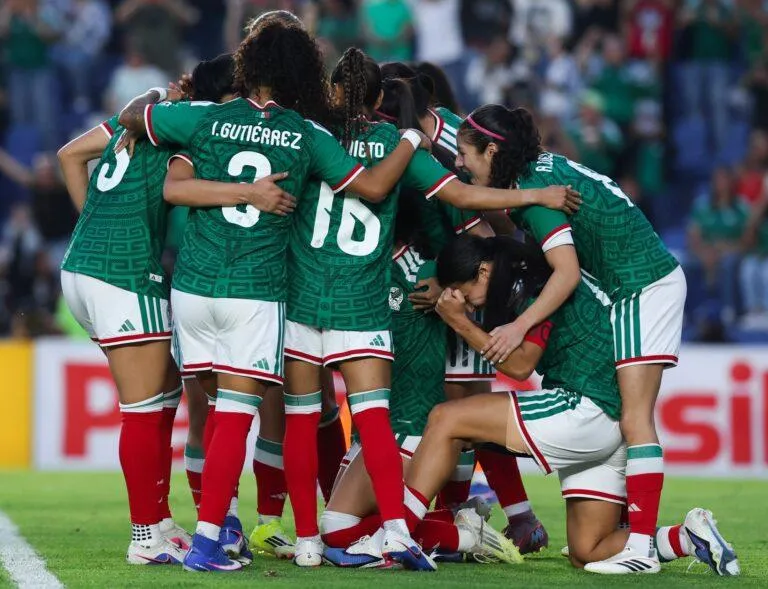
Host countries confirmed, venues still pending
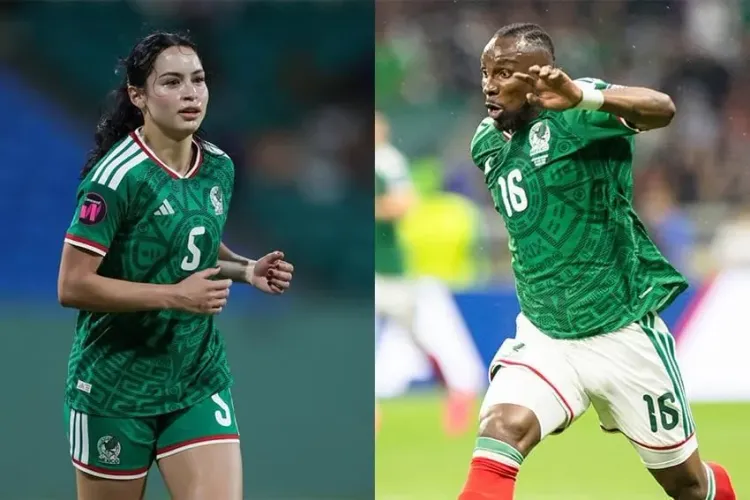
FIFA's extraordinary Congress in Zurich, Switzerland, approved what will be the largest Women's World Cup and the first spread across four nations. For Mexico, it follows the 2026 men's tournament, which it shared with the United States and Canada.
Costa Rica and Jamaica will also welcome the women's finals for the first time. The United States, which hosted in 1999 and 2003, will become the first country to stage the competition three times.
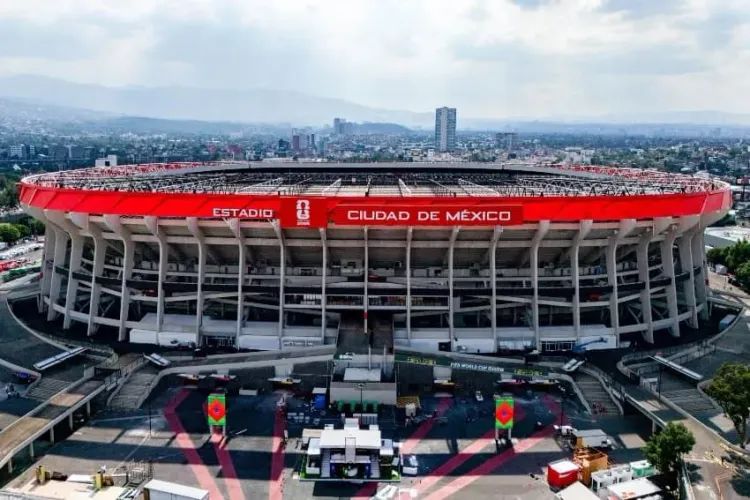
The Mexican Football Federation has put forward Mexico City, Guadalajara, Monterrey and Torreón, with Banorte, Akron, BBVA and Territorio Santos Modelo among the proposed stadiums. The U.S. proposal includes 14 cities, while Costa Rica and Jamaica have proposed San José and Kingston, respectively.
Those proposals are not final venue selections. FIFA still must choose the host cities and stadiums and decide which rounds each country will stage. The allocation will depend on its tournament planning and the host federations' commitments.
The candidate pool has changed during the process. According to Sports Business Journal, the original bid book listed 27 prospective U.S. host cities and six Mexican cities; Chicago and Portland later expressed interest in participating. Four stadiums are in contention for the final: Atlanta's Mercedes-Benz Stadium, AT&T Stadium near Dallas, SoFi Stadium in Los Angeles and MetLife Stadium in New Jersey.
A larger field and unresolved commitments
The new format calls for 12 four-team groups, followed by a 32-team knockout round. Expanding the schedule from 64 matches to 104 will require more matchdays and increase demands on international travel, lodging, transportation and security.
FIFA's technical report, published November 11, found that the bid satisfied its minimum organizational requirements and awarded it an overall score of 4.4 out of 5. The review covered infrastructure and services alongside sustainability, human rights, commercial operations and tournament planning.
The positive overall assessment came with a contractual concern. Sports Business Journal reported that FIFA classified the U.S.-led bid's contractual framework as high risk because prospective host cities and stadium operators had offered nonbinding commitments. Before submission, city leaders had declined to sign binding agreements with FIFA, supplying nonbinding memorandums of understanding instead.
The bid's commercial targets are more than $4 billion in revenue and attendance above 4.5 million, according to My Football Facts. Reaching that revenue goal would make the tournament the highest-grossing women's sporting event in history, at roughly seven times the $570 million generated by the 2023 Women's World Cup.
From a two-country plan to four hosts
The path to the award began in April 2024, when the United States and Mexico dropped their joint pursuit of the 2027 tournament to concentrate on 2031. FIFA's Council opened bidding for the 2031 and 2035 editions in March 2025; a month later, FIFA identified the U.S. submission as the only valid 2031 bid.
Mexico formally joined in May 2025. Costa Rica and Jamaica became part of the proposal at its official launch in New York that October.
Mexico's preparations extend beyond stadiums
The four federations now move into preparations. Mexico can draw on infrastructure and operational experience from the 2026 men's World Cup, but the women's tournament needs its own arrangements for training grounds, national-team services, fan assistance, travel between venues and conditions for players and coaching staff.
Authorities and the Mexican Football Federation face decisions on venue selection, match assignments and infrastructure commitments. The selected cities will also have to meet operating costs and requirements for security, transportation, accommodation and other services.
Hosting offers a chance to give women's soccer greater visibility and broaden opportunities for girls and young women, as well as support the development of clubs, coaches, referees and players. Extending those benefits across Mexico will require investment and development programs alongside tournament preparations.
Brazil in 2027, United Kingdom in 2035
FIFA also confirmed the United Kingdom as the 2035 host on Monday, with matches to be staged in England, Scotland, Wales and Northern Ireland. Their bid proposed 19 stadiums across 15 cities and earned a FIFA evaluation score of 4.3 out of 5, just below the 2031 proposal's 4.4.
Before either tournament, Brazil will host the 32-team 2027 Women's World Cup, the competition's first edition in South America. Its draw is scheduled for December 11, 2026, in Rio de Janeiro.