Understanding Mexico's dual bloom seasons
The landscape transformation was breathtaking. Traveling through Querétaro and Guanajuato's central highlands last September, entire mountainsides appeared draped in nature's most vivid palette. Vibrant yellows, oranges, reds and pinks blanketed roadsides, fields and hillsides in a spectacular display that seemed impossible just six months earlier, when these same slopes appeared dry and sparse.
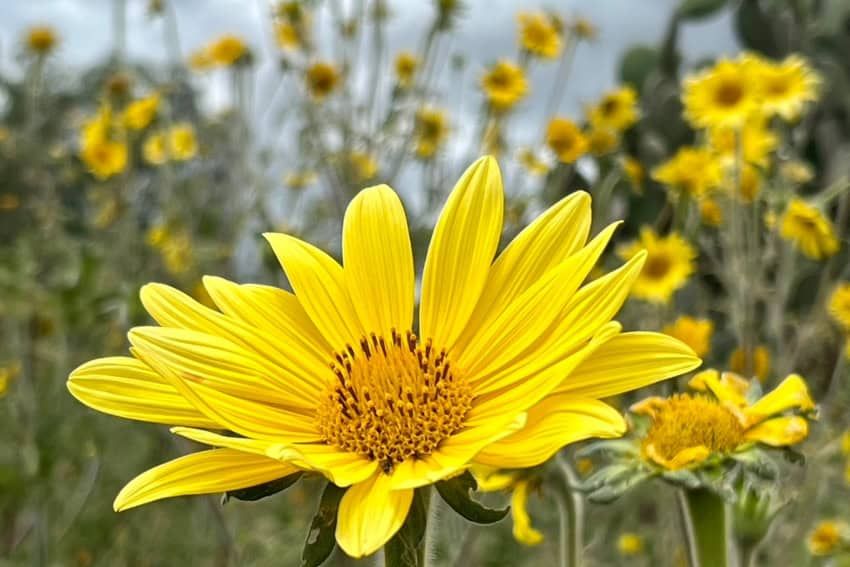
The dramatic change illustrates Mexico's remarkable wildflower seasons, when native plants burst into bloom following seasonal rains. Highway stops beneath hillsides of Mexican sunflowers revealed blankets of cheery yellow blooms stretching across the terrain, a sight that captivated even seasoned botanical observers.
Mexico experiences two distinct wildflower seasons, each triggered by different weather patterns. The spring season, running from March to May, brings dramatic displays to arid regions including Baja California and northern deserts following winter precipitation. These rains can produce superblooms, when an unusually large proportion of dormant wildflower seeds germinate and blossom simultaneously, carpeting desert landscapes in dense fields of color.
The autumn season, occurring from September to November, follows Mexico's rainy period, which generally runs from May or June through October, with some regions seeing rainfall extend into November. Most areas of Mexico receive approximately 40 inches of rainfall annually, concentrated during these wet months, with central-south regions often exceeding this amount. This seasonal precipitation triggers native plants throughout the country to produce brilliant flowering displays.
Timing varies slightly depending on annual weather conditions, but September has proven particularly spectacular in central Mexican states like Querétaro and Guanajuato, where the autumn bloom reaches its peak.
The floral diversity on display
The variety is extraordinary. From tiny butter daisy flowers carpeting the ground to massive blooming shrubs of Mexican sunflowers at eye level, the range spans delicate to dramatic. Cosmos, marigolds, globe mallows, morning glories, salvias and mirasol create a spectrum from light yellows to deep purples.
Some species offer unexpected surprises. Globe mallows present soft baby pink hues rarely seen in such abundance, while discovering massive patches of pink cosmos reveals that this popular garden plant originated as a Mexican native. The country serves as home to seven of the world's eight extant sea turtle species, and its botanical diversity proves equally impressive.
Five standout wildflowers
Chicalote (Mexican white prickly poppy)
The delicate, papery white petals of this native poppy shine luminously in sunlight, creating an elegant, dreamlike appearance. Beyond their beauty, these flowers carry deep symbolism, representing tranquility, peaceful dreams and quiet rest. The spiny plant's ability to thrive in dry, harsh and disturbed soils where other vegetation fails makes it an emblem of endurance, resilience and inner strength in the face of challenging conditions.
Mirasol (cosmos)
Vast patches of vibrant pink cosmos wave along roadsides on long, feathery stalks, creating show-stopping displays throughout central Mexico. This member of the daisy family symbolizes balance, peace and tranquility. The flowers are also believed to serve as a bridge between the physical world and spiritual realm, linking life with the afterlife in Mexican tradition.
Girasol (Mexican sunflower)
Cherry-colored sunflowers dominate the autumn landscape, with entire fields and mountainsides radiating cheerful yellow. This daisy family member represents faith, loyalty and adoration. Some Indigenous populations associated the flower's bright face with solar deities. The Aztec and Mexica people treated the plant as sacred. Archaeological excavations at the Templo Mayor site in Mexico City, which began in 1978 and continue today, have uncovered over 200 offerings to the gods, with dried sunflower seeds found among ceremonial offerings at this main temple of the Aztec capital Tenochtitlan. The monumental pyramid, which measured 82 meters by 82 meters at its base and stood 40-50 meters high at its peak, was destroyed in 1521 during the Spanish Conquest.
Mexican passionflower
These striking flowers climb abundantly up trees and along old gates in cities like Querétaro, often appearing outside churches in fitting locations given their symbolism. The blooms represent the Passion of Christ and the crucifixion, with 10 petals and sepals representing the faithful apostles, while the corona filaments (the purple inner ring) symbolize the crown of thorns. Inside, three stigmas represent the nails, and five anthers represent Christ's wounds.
Copper globemallow
This hibiscus family member catches attention with soft baby pink petals and distinctively velvety leaves. Flourishing in dry, harsh desert heat, the flower symbolizes endurance and resilience, standing as a powerful emblem of hope, gentle comfort and vitality in challenging environments.
Cultural and economic significance
Mexican wildflowers carry meanings extending far beyond their visual appeal. The cempasúchil (Mexican marigold), native to Mexico and cultivated since pre-Columbian times, holds particular cultural and economic importance. The name derives from the Náhuatl word "cempoalxochitl," meaning "twenty-petal flower." According to Aztec tradition, the bright orange and yellow blooms were believed to guide souls of the deceased back to the world of the living during Día de los Muertos.
This tradition traces back to pre-Hispanic Aztec rituals tied to the goddess Mictecacihuatl, the Lady of the Dead, who according to tradition allowed spirits to travel back to earth to reconnect with family members. Spanish colonizers later blended these practices with Roman Catholic observances. Today, major production occurs in states including Puebla, Tlaxcala, Hidalgo and Oaxaca, where over 19,400 tonnes were harvested nationwide in 2021, demonstrating the flower's continued cultural and commercial relevance.
Experiencing the blooms
The most effective way to witness Mexico's wildflower spectacle is by road. These blooms line highways and laneways, lowlands and mountain ranges, offering travelers exposure to the greatest variety of species and landscapes. The sheer abundance and diversity of displays throughout the country make driving the ideal method for experiencing this twice-yearly natural phenomenon.
Bel Woodhouse is Mexico Correspondent for International Living, an experienced writer, author, photographer and videographer with over 500 articles published in print and digital platforms. After more than seven years living in the Mexican Caribbean, she remains captivated by Mexico's natural and cultural richness.